


 English
 русский
 عربى
عربى Español
Industry News
Why Is Forged Globe Valve Used in Industrial Piping Systems
Industrial piping systems are built to move fluids from one place to another. Depending on the application, these fluids may need to be started, stopped, redirected, or controlled during operation. A valve becomes an important part of this process because it gives operators a way to manage what happens inside the piping system.
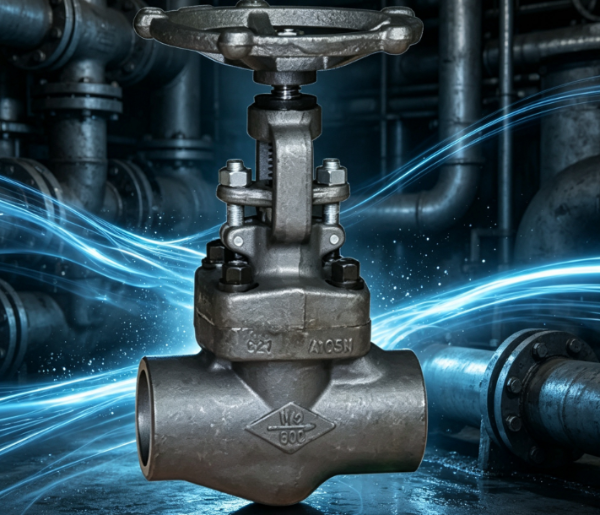
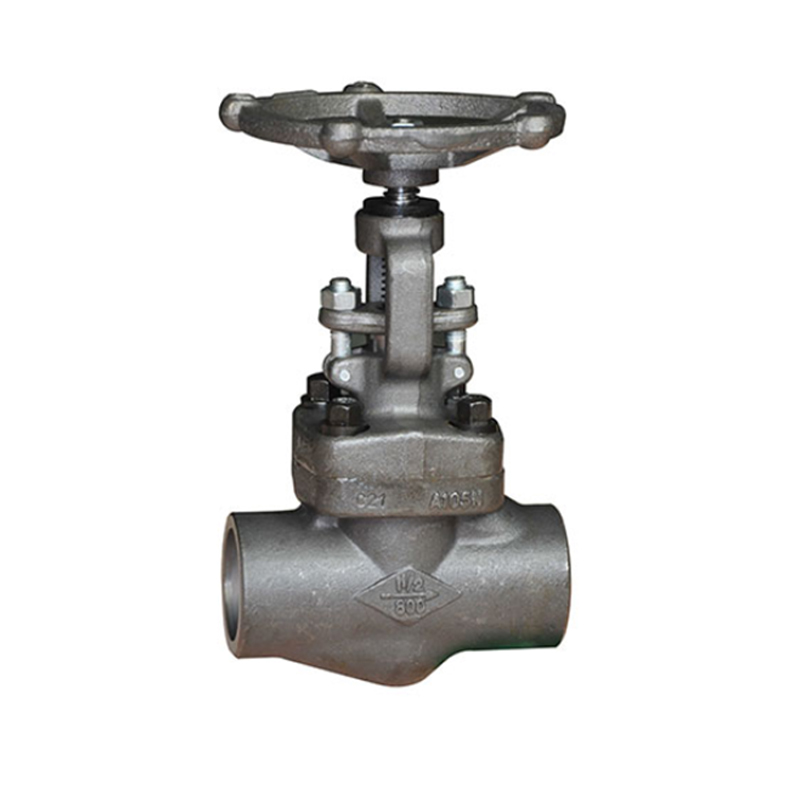
A Forged Globe Valve is one type of valve used for this purpose.
Its role is not simply to open or close a pipe. In many applications, the valve is selected because its design can support controlled flow management while fitting into an industrial piping arrangement.
The manufacturing method also gives the valve its own characteristics. Forging shapes the valve body from metal under controlled manufacturing conditions. This creates a product structure that can be suitable for demanding industrial applications when the design, material, and manufacturing process are properly matched to the intended use.
For buyers, engineers, and equipment manufacturers, the question is not only why a Forged Globe Valve is used. It is also about where it fits, what role it performs, and how it should be considered when planning a piping system.
What Role Does a Forged Globe Valve Play in an Industrial Piping System?
A piping system may contain many connected sections. Each section can have a different purpose. Some areas move fluids continuously, while others require control during specific stages of operation.
A Forged Globe Valve can provide a controlled way to manage fluid movement within the system.
The valve contains an internal closing element that moves in relation to the flow path. When the valve position changes, the passage available for the fluid also changes.
This makes the valve useful when the application requires more than a simple open-or-closed function.
For example, an industrial system may need to adjust the movement of a fluid between different operating conditions. The valve can become part of that control process.
Its role can be viewed from several practical angles:
| Piping System Need | Role of Forged Globe Valve |
|---|---|
| Flow management | Helps control the movement of fluid |
| System isolation | Can separate a section of piping when required |
| Process adjustment | Allows the flow condition to be changed |
| Equipment connection | Can be installed around equipment that requires flow control |
| Maintenance planning | Helps isolate parts of a piping arrangement |
The valve therefore becomes part of the wider piping layout. Its usefulness depends on how well it matches the needs of the system around it.
Why Is Forging Used for Globe Valve Manufacturing?
The manufacturing method is an important part of the product.
Forging involves shaping metal into the required form through controlled force. This approach differs from manufacturing methods that create a component by pouring molten metal into a mold.
For industrial valve production, forging can be used to create the main valve body and other related components.
The reason this matters is connected with the working environment. Industrial valves may operate as part of systems where mechanical strength, pressure management, temperature conditions, and long periods of use need to be considered together.
The valve body is also an important structural part of the product. It connects with the piping system and contains the internal valve components.
A manufacturer therefore needs to consider more than the final shape of the product. Production planning can involve:
- Material selection.
- Forging preparation.
- Forming the main body.
- Machining and finishing.
- Assembly.
- Inspection.
- Packaging and handling.
Each stage can affect how the finished valve fits its intended application.
For buyers, understanding the manufacturing approach can make supplier communication easier. Instead of viewing a Forged Globe Valve only as a finished product, buyers can also consider how the manufacturer controls the production process behind it.
How Does a Forged Globe Valve Help Control Fluid Movement?
Flow control is one of the main reasons globe valves are used in industrial piping.
A globe valve is designed around the movement of an internal closing element. The element moves toward or away from its seating area as the valve is operated.
This movement changes the available path for the fluid.
The result is a valve that can be used when an application needs controlled changes in fluid movement.
This differs from situations where the valve is only expected to remain completely open or completely closed.
In an industrial environment, operating conditions may change throughout a production process. A piping system may need to supply fluid to different pieces of equipment at different stages. Operators may also need to reduce or stop flow during inspection or maintenance.
The valve can support these actions as part of the larger system.
However, the valve does not work independently. The piping layout, connected equipment, operating method, and control system all influence how it is used.
This is why selecting a Forged Globe Valve should begin with understanding the application rather than choosing a product based only on its name.
Where Are Forged Globe Valves Commonly Considered?
Forged Globe Valves can be considered for a variety of industrial piping applications.
Their use depends on the fluid, operating environment, piping arrangement, and control requirements.
Common application areas can include industrial process systems, equipment connections, utility piping, energy-related systems, and other installations where controlled fluid movement is required.
The exact application can vary considerably.
| Application Area | Possible Valve Role |
|---|---|
| Process piping | Managing fluid movement within a production system |
| Equipment piping | Controlling flow connected to industrial equipment |
| Utility systems | Managing supporting fluid services |
| Energy-related systems | Supporting flow control within connected piping |
| Industrial facilities | Helping operators isolate or adjust sections of a system |
A useful way to think about these applications is to focus on the task rather than the industry name.
Does the piping system need controlled flow?
Does a section of the system need to be isolated?
Does the connected equipment require a valve that can be adjusted during operation?
These questions are often more useful when choosing a valve than simply asking which industry uses it.
What Makes Valve Design Important for Industrial Piping?
A valve needs to fit the piping system around it.
The body shape, connection arrangement, internal components, and operating method all affect how the product can be integrated into an installation.
For a Forged Globe Valve, the body provides the main connection between the valve and the piping system. Its internal space also needs to accommodate the moving valve components.
The design therefore has to consider both the inside and outside of the product.
From the outside, the valve needs to connect properly with the piping arrangement.
Inside, the moving components need to work together during opening, closing, and flow adjustment.
A practical design discussion may cover:
- Where the valve will be installed.
- How the valve will be operated.
- What type of fluid will pass through the system.
- What kind of surrounding environment exists.
- How the valve will be accessed for inspection.
- How maintenance personnel can work around the valve.
- How the valve connects with nearby equipment.
This broader approach can help prevent a common purchasing problem: selecting a valve based only on its product category without considering the complete installation.
How Should Buyers Choose a Forged Globe Valve for Their System?
Industrial buyers usually have more than one factor to consider.
A valve may look suitable on paper but still require further discussion before it is selected for a particular system.
The application should provide the starting point.
Buyers can prepare information about the piping system, the working fluid, the installation environment, the required operating function, and the way the valve will be connected.
The supplier can then use this information to discuss the product more accurately.
A practical purchasing process can include the following steps:
- Define the Application
Explain where the valve will be used and what function it needs to perform.
- Review the Valve Design
Consider the body structure, operating method, connection arrangement, and internal design.
- Discuss Material Selection
The material should be considered in relation to the working environment and the fluid being handled.
- Confirm Manufacturing Support
For special applications, buyers may need customized products or production assistance.
- Review Inspection Arrangements
Ask how the manufacturer checks products during and after production.
- Discuss Packaging and Delivery
The valve should be handled and packaged in a way that supports its condition during transportation and installation.
This process allows the buyer to look beyond the initial product description.
Why Does Material Selection Matter for Forged Globe Valves?
The material used for a valve affects where it can be used.
Industrial piping systems may operate in very different environments. Some may involve temperature changes. Others may handle fluids that require careful material selection. Certain installations may also place greater mechanical demands on the valve.
For this reason, a Forged Globe Valve should not be selected without considering the surrounding conditions.
Material selection can relate to several questions:
| Consideration | Why It Matters |
|---|---|
| Working fluid | Different fluids may require different material choices |
| Operating environment | Surrounding conditions can affect the valve |
| Temperature conditions | Material suitability may change with the application |
| Mechanical requirements | The valve body needs to fit the demands of the system |
| Maintenance conditions | Material and design can affect long-term service planning |
The material discussion should therefore happen early in the purchasing process.
A supplier may need information about the actual application before recommending a suitable material option.
This is particularly important for custom industrial projects, where the valve may need to work with other equipment and components from different parts of the system.
How Can Manufacturers Support Forged Globe Valve Applications?
Manufacturing support can be important when a valve is being integrated into a larger industrial system.
A Forged Globe Valve manufacturer may need to understand more than the product category. The application, installation method, material requirements, and connection arrangement can all influence production.
Communication between the buyer and manufacturer can therefore begin before manufacturing starts.
A typical discussion may cover:
- Application requirements.
- Product design.
- Material selection.
- Connection requirements.
- Manufacturing arrangements.
- Inspection procedures.
- Packaging needs.
For a standard application, this process may be relatively straightforward.
For a customized project, the communication can become more detailed. Drawings, samples, application descriptions, or installation information may help both sides understand the intended product.
The manufacturer's production capability also matters. Forged Globe Valve production can involve several linked stages, from material preparation and forging to machining, assembly, inspection, and final handling.
A supplier that understands the full manufacturing process can communicate more clearly about what can be produced and how the product can be adapted to a particular application.
For industrial buyers, this can make supplier evaluation more practical. Instead of looking only at a catalog, they can consider product fit, manufacturing support, communication, inspection, and customization as connected parts of the purchasing process.
The Forged Globe Valve itself may occupy only one position in a large piping system, but that position can influence how fluid moves through connected equipment. Its design, material, manufacturing process, and installation arrangement therefore need to be considered as part of the complete system rather than as separate purchasing details.
Recommended Products
The variety of models, to meet the development needs of various regions in the world.
Copyright © ZHEJIANG ROCK VALVE CO., LTD.

Cast Steel Valves Stock Wholesaler