Industry Knowledge Extension
What is the difference between API 600 and API 6D Cast Steel Gate Valves?
API 600 and API 6D are two prominent standards, both covering steel gate valves, but they are intended for different service applications. Understanding the distinction is important for proper valve selection in piping systems.
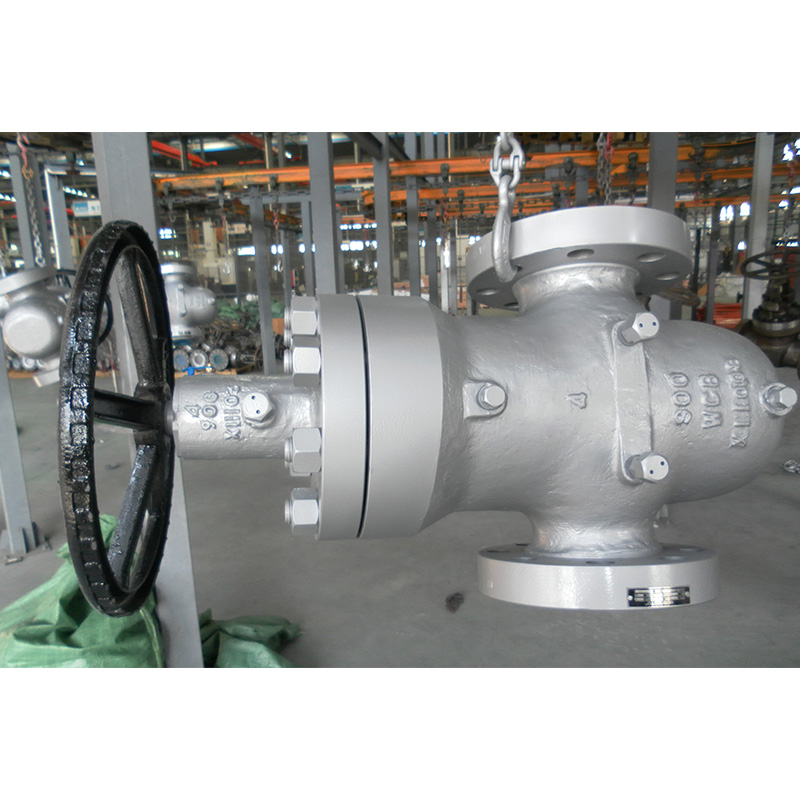
API 600, titled "Steel Gate Valves–Flanged and Butt-Welding Ends, Bolted Bonnets, is a standard primarily focused on valves for refinery and related process industry applications. These valves are typically used in on/off service within complex process plants where reliability under demanding conditions is a key concern. The standard specifies requirements for materials, dimensions, face-to-face lengths, and design features for valves that often see manual or infrequent operation. A notable feature often associated with API 600 valves is a bolted bonnet, which provides a robust and secure pressure boundary.
API 6D, Pipeline Transportation Systems for Pipelines and Facilities, is specifically written for the pipeline industry. Valves built to this standard are designed for long-distance transmission of oil, gas, and other products. Key applications include mainline block valves, sectioning valves, and tank farm isolation. API 6D places a strong emphasis on through-conduit designs (where the bore is full-port to allow for the passage of pipeline pigs and scrapers), end-to-end dimensions that facilitate easy replacement, and extended bonnets for buried service. While both standards ensure high integrity, the core difference lies in their focus: API 600 is process-oriented, often seen in plant piping, while API 6D is pipeline-oriented, designed for the efficient and piggable transmission of fluids over long distances.
What are some large-size cast steel gate valves and their applications?
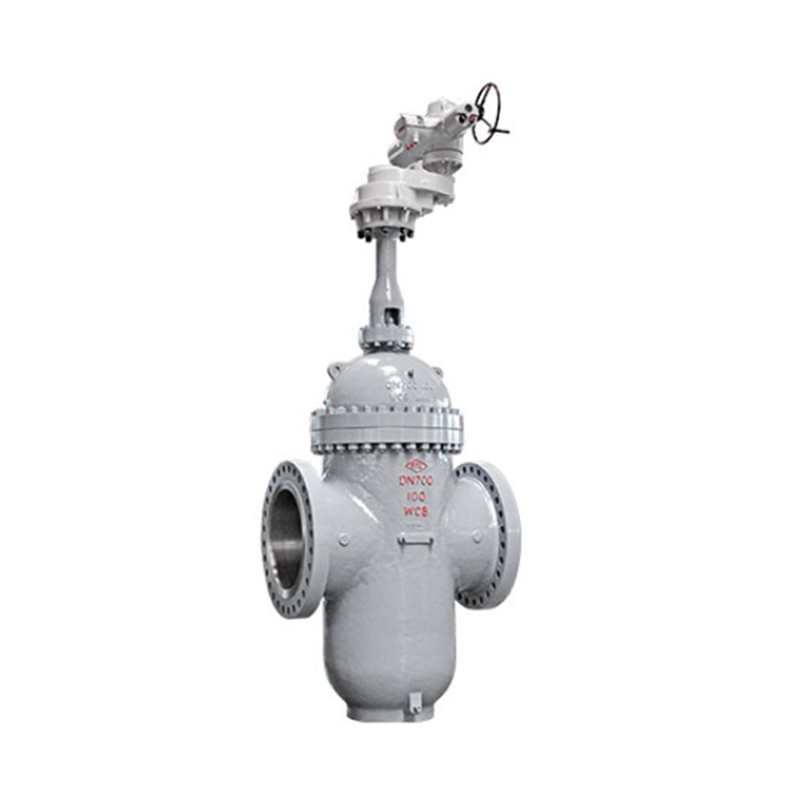
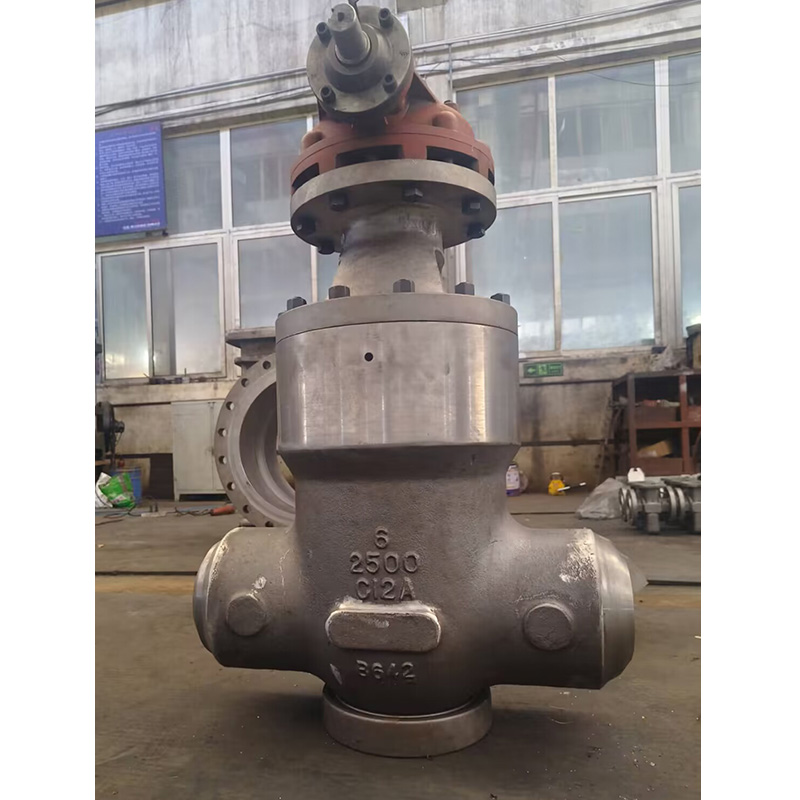
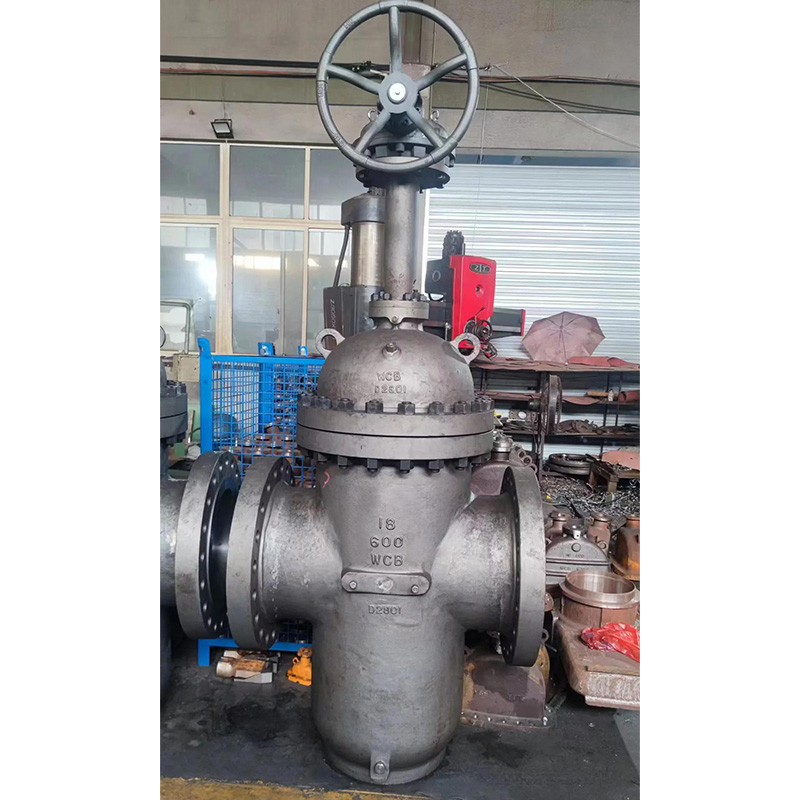
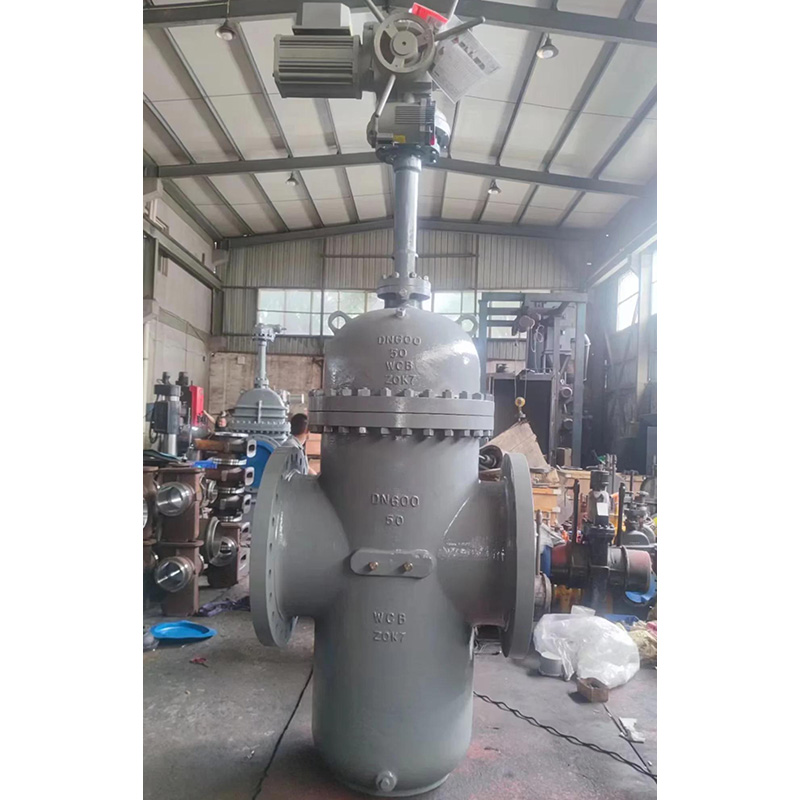
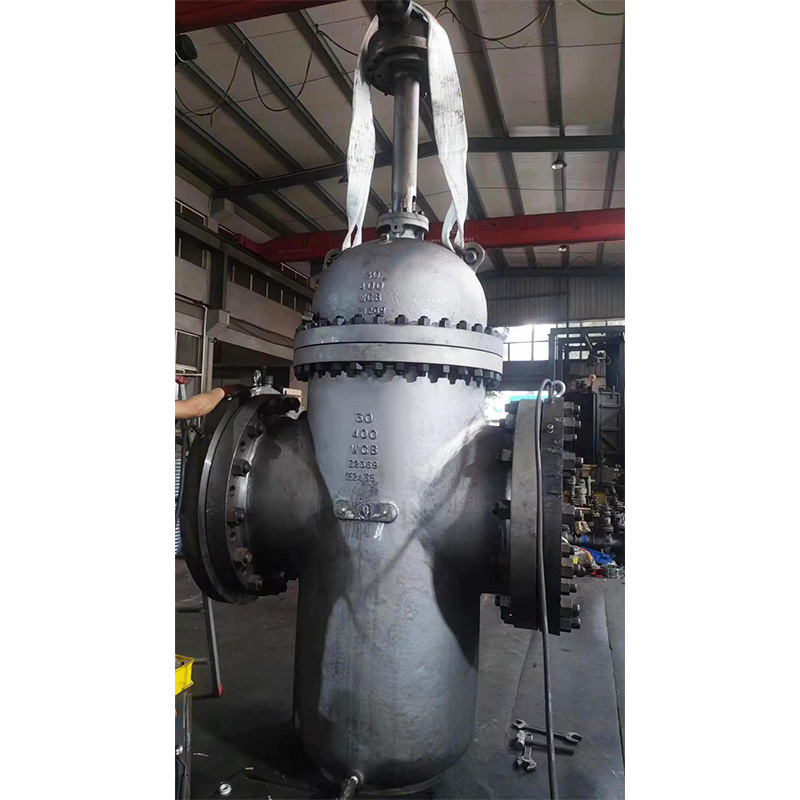
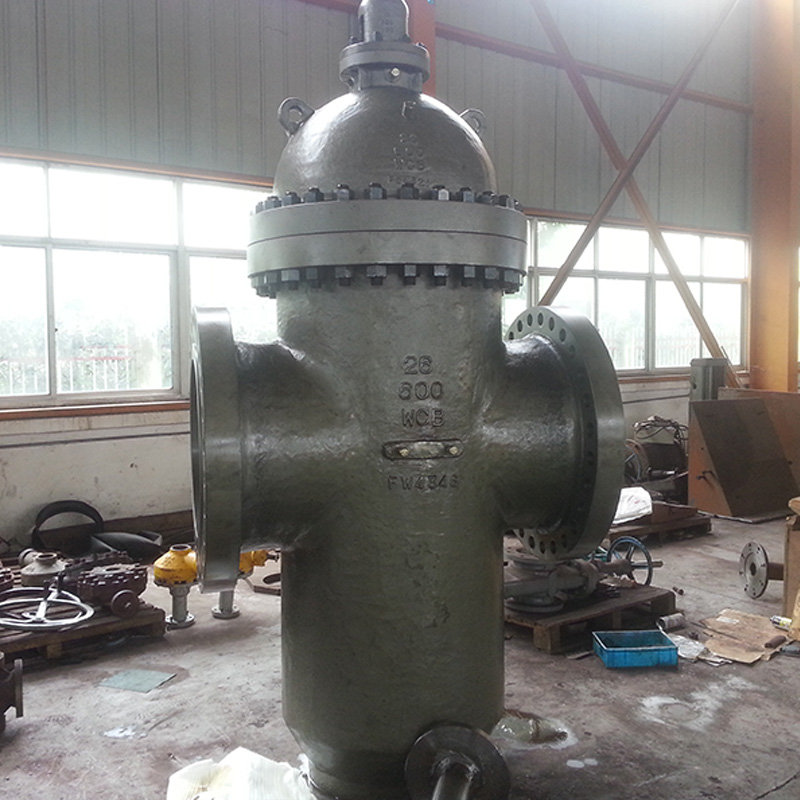
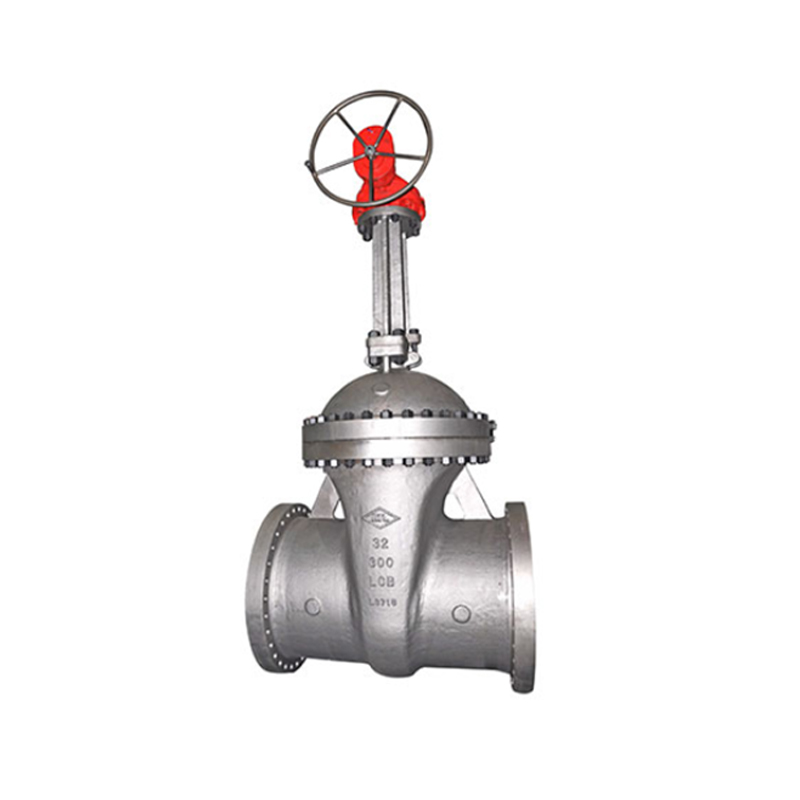
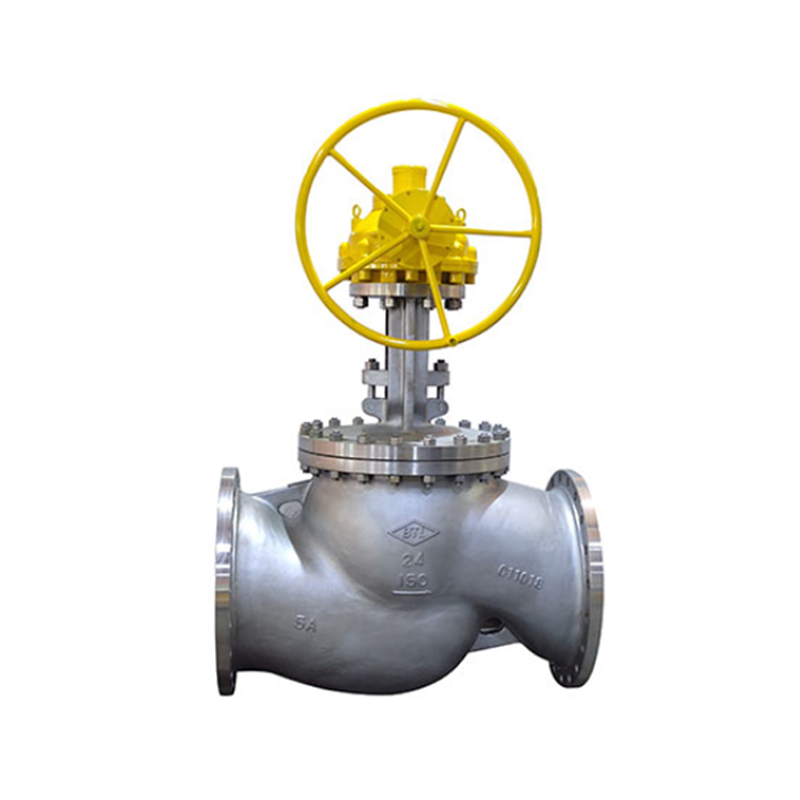
Large-size cast steel gate valves are employed in critical services where high flow capacity and reliable isolation are required. These valves, often defined as those 10 inches (250 mm) in diameter and larger, are designed to handle demanding pressure and temperature conditions. Their robust construction makes them suitable for a range of heavy industries. The following table outlines some common types and their typical applications.
|
Valve Type
|
Typical Size Range
|
Common Applications
|
|
API 600 Bolted Bonnet Gate Valve
|
10" - 36" (250mm - 900mm)
|
Refinery process lines, chemical plant feed lines, power plant boiler feed water systems, and high-pressure steam isolation.
|
|
API 6D Through-Conduit Pipeline Valve
|
12" - 48" (300mm - 1200mm)
|
Mainline isolation for crude oil and natural gas transmission pipelines, storage tank inlets/outlets, and launching/receiving stations for pipeline pigs.
|
|
Power Station Gate Valve
|
10" - 24" (250mm - 600mm)
|
Main steam lines, turbine bypass systems, and high-energy water lines in thermal and nuclear power generation facilities.
|
|
Waterworks Sluice Valve
|
12" - 60" (300mm - 1500mm)
|
Distribution mains for municipal water supply, intake lines from reservoirs, and isolation points in large-scale wastewater treatment plants.
|
|
Knife Gate Valve
|
10" - 24" (250mm - 600mm)
|
Handling slurries, pulp and paper stock, and wastewater with high solids content, where a thin gate can cut through thick media.
|
These valves are selected for their ability to provide a tight seal and minimal pressure drop when fully open. The specific design, material trim, and actuation method (e.g., gear operator or hydraulic actuator) are then chosen based on the fluid medium, pressure class, and operational requirements of the system.
What are the maintenance procedures for flat gate valves?
Regular maintenance is important for ensuring the long-term reliability and safe operation of flat gate valves, which are commonly used in pipeline and process services. A systematic approach to maintenance can help prevent unexpected failures and extend the valve's service life. The procedures generally involve inspection, cleaning, and replacement of wearable components.
Before starting any maintenance, the valve must be isolated from pressure, and the system must be drained and purged to ensure a safe working environment. The initial step is often an external inspection for signs of corrosion, coating damage, or leaks from the bonnet joint and stem seals. For a more thorough inspection, the valve is disassembled. The body interior, gate, and seats are cleaned and examined for signs of erosion, corrosion, or scoring. The stem should be checked for straightness and thread wear. Any damaged components should be repaired or replaced with parts matching the original specifications.
Reassembly involves careful cleaning of all parts and the application of a suitable lubricant to the stem threads and the contact surfaces of the gate and seats. The packing should be replaced with new material, installed carefully according to the manufacturer's instructions, and the gland follower should be tightened evenly to avoid over-compressing the packing, which can increase stem friction. After reassembly, a functional test is recommended. This involves operating the valve through its full cycle to ensure it moves smoothly without binding. If possible, a low-pressure seat test can be conducted to verify the sealing integrity. For valves in critical service, more detailed documented inspections and performance testing may be scheduled at regular intervals based on operational hours or cycles.



 English
 русский
 عربى
عربى Español