

 English
 русский
 عربى
عربى Español
Industry News
Home / News / Industry News / How Is Forged Gate Valve Manufacturing Responding to Different Industrial Needs
A valve may look like a small part of a large industrial system. Yet its role can affect how fluids move through pipelines, how equipment is isolated, and how maintenance work is organized.
Different industries do not always have the same expectations from a valve. A pipeline used in one working environment may face different conditions from a system used in another. The fluid may vary. The surrounding environment may change. The frequency of operation may also be different.
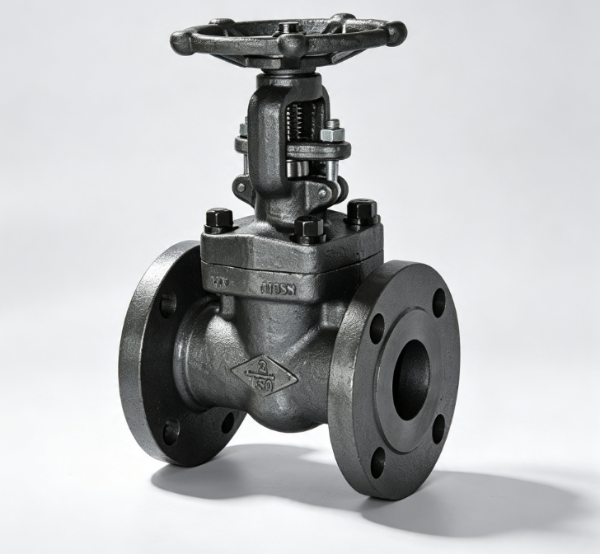
These differences are influencing how forged gate valves are designed and manufactured.
Forged gate valve manufacturing is no longer only about producing a valve body and assembling several internal parts. Manufacturers are paying more attention to application needs, material choices, connection methods, inspection, assembly, and long-term use.
This shift is also changing how buyers look at valve products. Instead of focusing on the valve as an isolated component, many buyers are considering how it will fit into a complete piping system.
Industrial systems can have very different working conditions. Even when two systems use similar types of valves, their actual requirements may not be identical.
A valve installed in a compact processing area may need to fit into a limited space. Another valve may be installed in a larger pipeline system where accessibility and maintenance are more important.
The type of fluid also matters. Different fluids can place different demands on the materials used inside and outside the valve.
The operating environment adds another layer of difference. Indoor equipment may have relatively stable surroundings, while outdoor installations can experience changes in temperature, moisture, dust, and other environmental factors.
As a result, manufacturers are seeing greater demand for products that can be matched with particular applications rather than treated as one general solution.
| Industrial consideration | Why it matters to valve manufacturing |
|---|---|
| Fluid type | Influences material and component selection |
| Installation space | Affects valve structure and connection choices |
| Working environment | Can influence material and surface treatment decisions |
| Maintenance needs | Shapes access and component arrangement |
| Operating habits | Helps determine suitable product configuration |
| Pipeline structure | Influences connection and installation requirements |
This does not mean that every valve needs a completely different design. Instead, manufacturers are finding ways to create product families that can address different needs while keeping production organized.
That balance is becoming an important part of modern valve manufacturing.
Product design is closely connected with the environment in which a valve will be used.
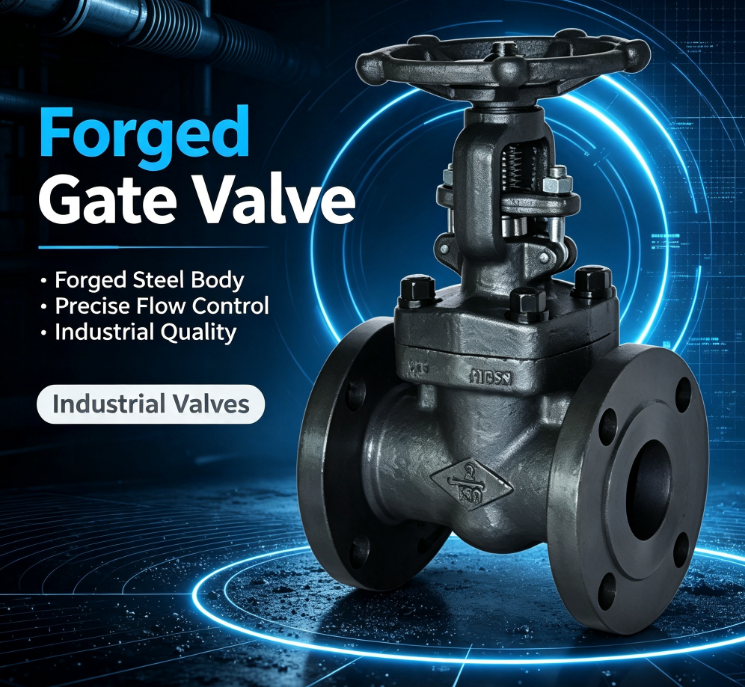
A forged gate valve is generally selected when a pipeline needs a valve that can help control or isolate fluid movement. The basic purpose remains similar across many applications. However, the surrounding requirements can vary considerably.
Manufacturers are therefore paying attention to several areas during the design stage.
The valve body needs to provide suitable structural support. Internal parts need to work together in a coordinated way. Connection areas need to match the pipeline arrangement. The operating section needs to be practical for the way the valve will be used.
Design work is also becoming more application-oriented.
For example, a valve intended for frequent maintenance may need a layout that makes inspection and servicing more manageable. A valve installed in a difficult-to-access location may require greater attention to operation and installation.
This approach can be viewed through several connected design considerations:
These questions can influence the manufacturing process before production even begins.
Instead of treating design as a fixed step, manufacturers are increasingly connecting design decisions with actual application conditions.
Material is one of the areas where industrial needs can create noticeable differences.
The valve body, internal components, sealing parts, and other sections may not always require the same material. Each part has its own role within the product.
The valve body needs to provide a stable structure. Internal parts need to work together during operation. Sealing elements need to support the separation between the valve and the surrounding system.
Material selection therefore cannot be viewed as a single decision.
Manufacturers may consider fluid compatibility, environmental conditions, mechanical requirements, maintenance expectations, and the intended service environment.
A simple material selection process can involve several questions:
| Question | Manufacturing consideration |
|---|---|
| What fluid is involved? | Check whether selected materials suit the application |
| Where will the valve be installed? | Consider the surrounding environment |
| How will it be operated? | Match component choices with operating needs |
| How will maintenance be handled? | Consider the service life of replaceable parts |
| What does the pipeline require? | Coordinate materials with the wider system |
This application-based approach can also reduce the risk of treating material choice as a purely cost-driven decision.
The least expensive material is not automatically suitable for every environment. At the same time, a more complex material choice is not automatically necessary.
Manufacturing decisions need to reflect the actual working conditions.
That is why material selection is increasingly connected with product design, purchasing, inspection, and customer communication.
Different industrial requirements naturally create differences in production.
A manufacturer may need to handle multiple valve configurations, different connection arrangements, and different material combinations. This requires a production process that can remain organized while supporting product variation.
Forging is an important part of this process because it shapes the basic valve body structure. After that, additional manufacturing and assembly steps help turn the formed component into a usable valve.
The production flow can include:
The exact process can differ according to the product and application.
The key change is the relationship between these stages. Manufacturers need each stage to provide consistent results for the next one.
A change in material may affect machining. A change in valve structure may affect assembly. A change in application requirements may influence inspection.
This means manufacturing flexibility is not simply about making more product variations. It is also about managing those variations without creating unnecessary confusion in production.
Clear work instructions, organized component management, suitable equipment, and careful process control can all support this goal.
As valve requirements become more varied, inspection becomes more closely connected with manufacturing.
A valve can have a carefully planned design, but the finished product still needs to match that design.
Inspection can cover different aspects of production. Material condition may be checked before processing. Dimensions and surface condition may be examined during manufacturing. Assembly can be reviewed after components have been brought together.
The valve may also undergo checks related to its ability to perform its intended function.
This makes inspection more than a final activity at the end of production.
| Production stage | Inspection focus |
|---|---|
| Material preparation | Material identification and condition |
| Forming | Basic shape and structural condition |
| Machining | Fit and dimensional consistency |
| Component preparation | Part condition and compatibility |
| Assembly | Correct component arrangement |
| Finished valve | Appearance and functional condition |
When inspection information is properly connected with production, manufacturers can identify recurring issues more easily.
For example, repeated assembly problems may indicate that a component needs to be reviewed. Repeated machining issues may point back to earlier production steps.
In this way, inspection can provide feedback rather than simply act as a final checkpoint.
This is particularly useful when a manufacturer serves several industries with different product requirements.
A valve does not operate in isolation.
It becomes part of a larger pipeline system. Its installation location, surrounding equipment, accessibility, and connection arrangement can all influence how practical the final product is.
This is why manufacturers are paying more attention to the installation environment.
An indoor industrial system may offer easier access for inspection and maintenance. An outdoor pipeline may expose the valve to environmental changes. A compact installation may leave less room around the operating area.
These situations can lead to different design priorities.
For example, installation planning may consider:
Such considerations can also affect communication between manufacturers and buyers.
A buyer who only provides the basic product name may receive a general product recommendation. A buyer who explains the actual installation environment can provide manufacturers with more useful information.
This allows the product to be considered within its intended application instead of being evaluated only by its appearance or basic function.
The role of the manufacturer is also changing from simple production toward broader application support.
Buyers may want to understand how a valve is made, what materials are used, how components are inspected, and how the product can fit into an existing system.
They may also ask about production flexibility.
A manufacturer working with different industrial applications needs to communicate clearly about what can be produced and how product requirements are handled.
Several factors can help buyers evaluate a manufacturer:
The manufacturer should be able to explain the basic function of the valve and the situations for which different configurations may be considered.
Materials should be selected according to the intended application rather than treated as a generic choice.
A clear manufacturing process can make different product configurations easier to manage.
Buyers may want to know how the finished valve is checked before delivery.
Good communication can help connect the product with the actual pipeline environment.
These points do not replace technical evaluation. They provide a practical starting point for a purchasing discussion.
The buyer's own system requirements remain important because no valve configuration is suitable for every possible application.
Industrial systems continue to change. Production facilities may be redesigned. Pipeline layouts may become more integrated. Maintenance teams may place greater attention on access and serviceability.
These changes can influence valve manufacturing.
Manufacturers may respond by creating more flexible product structures and improving communication between design, production, inspection, and customer service.
Digital production tools may also support better organization. They can help manufacturers manage product information, track production activities, and coordinate different product requirements.
Automation may have a role as well. Repetitive production tasks can be organized more consistently, while workers can focus on activities that require judgment and application knowledge.
However, manufacturing flexibility does not mean making every product completely different.
A practical direction is to create adaptable product ranges around common manufacturing processes. This can allow manufacturers to respond to different industrial needs while keeping production manageable.
The relationship between manufacturer and buyer is likely to remain important in this process.
When buyers provide clear information about fluid conditions, installation environments, operating habits, and maintenance expectations, manufacturers have a stronger basis for making product decisions.
Forged gate valve manufacturing is therefore becoming closely connected with the wider question of how industrial systems are designed and maintained. The valve itself remains a compact component, but the decisions behind its design and production increasingly reflect the needs of the system around it.
The variety of models, to meet the development needs of various regions in the world.
Copyright © ZHEJIANG ROCK VALVE CO., LTD.

Cast Steel Valves Stock Wholesaler