


 English
 русский
 عربى
عربى Español
Industry News
Which Forged Check Valve Options Fit Different Industrial Uses
Industrial valve selection is rarely based on one simple question. Different production environments have different flow control needs. A valve used in one application may not be the natural choice for another.This is why product variety matters in the forged check valve market.
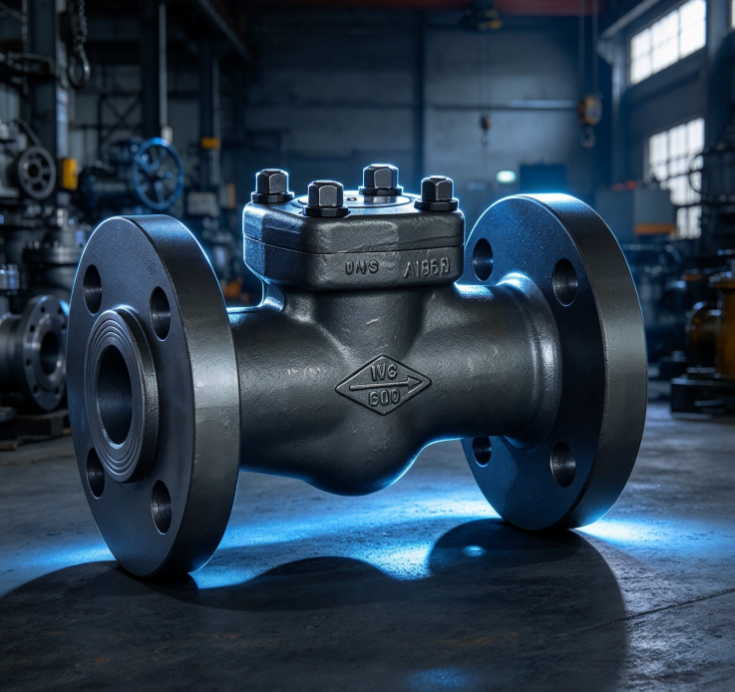
A forged check valve is generally used to help control the direction of fluid movement within a piping system. Its role may appear straightforward, but industrial applications can differ in layout, operating conditions, maintenance practices, and purchasing requirements.
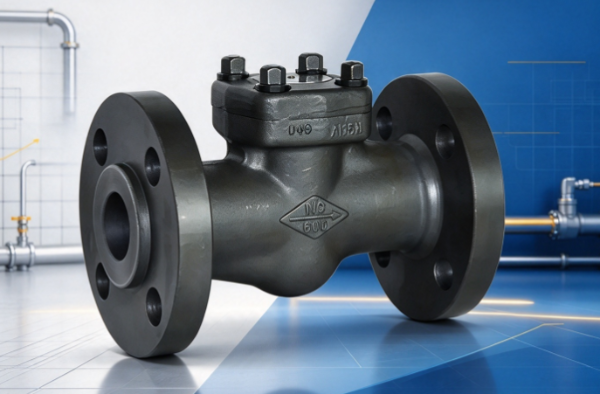
For buyers, the challenge is not simply finding a check valve. It is finding an option that fits the intended application and works naturally with the rest of the system.
This has made product selection an important part of industrial valve sourcing. Suppliers may offer different forged check valve designs to address different application needs. Buyers can then consider the working environment, installation position, maintenance approach, and overall valve arrangement before making a purchasing decision.
Why Do Different Industrial Uses Need Different Forged Check Valve Options?
Industrial facilities are not all built around the same processes. A fluid system in a processing facility may have different requirements from one used in energy-related equipment, manufacturing operations, or general industrial services.
The surrounding system can influence valve selection.
Some applications may have limited installation space. Others may place more attention on convenient maintenance. Certain systems may require a compact valve arrangement, while others may have more room for installation and inspection.
The purpose of the check valve also matters.
A buyer may need to prevent unwanted reverse movement within a line. Another buyer may be looking for a valve that fits a particular piping arrangement. The product category may be the same, but the practical requirements can be different.
This is where a broader range of forged check valve options becomes useful.
| Industrial Consideration | Possible Valve Selection Focus |
|---|---|
| Piping arrangement | Valve form and installation needs |
| Available space | Compact product design |
| Fluid application | Suitable product category |
| Maintenance approach | Convenient inspection and servicing |
| System layout | Appropriate installation position |
| Purchasing plan | Product availability and supply flexibility |
A good sourcing process begins with the application rather than the product name alone.
How Do Forged Check Valve Designs Fit Different Piping Arrangements?
Piping systems can have different layouts. Some are relatively straightforward. Others contain multiple lines, changes in direction, or restricted installation areas.
The physical form of a check valve can therefore influence where it fits.
Some valve designs are suited to arrangements where space needs to be considered carefully. Others may be selected when the installation layout allows a different configuration.
The important point for buyers is that valve design should be viewed together with the piping arrangement.
A product that looks suitable in a catalog may not necessarily be convenient for every installation. Buyers need to consider how the valve will sit within the system and how it relates to nearby components.
This is also one reason why product descriptions matter in industrial valve supply. Clear information allows buyers to understand the general purpose of different valve options without relying on assumptions.
A supplier with a structured product range can make this process easier. Products can be grouped by design, application, and installation concept. Buyers can then narrow their choices according to their actual needs.
The result is a more practical purchasing process.
Which Forged Check Valve Options Suit Different Industrial Applications?
Different industries may approach valve sourcing from different directions.
Manufacturing facilities may focus on keeping production systems organized and manageable. Processing applications may place more attention on fluid movement and system arrangement. Energy-related facilities may have their own valve sourcing practices. General industrial equipment may require another type of product selection.
Forged check valves can appear across these different settings because their basic function is relevant to many fluid systems.
However, the appropriate option depends on the application.
A buyer may consider the following broad categories:
General industrial applications
These may require a practical valve option that fits a standard industrial piping arrangement.
Process-related applications
These may require closer attention to the surrounding fluid system and how the valve works within the process.
Equipment-based applications
Here, available installation space and the relationship between the valve and other components can influence selection.
Energy-related applications
Buyers may need to consider the wider system arrangement and the operating environment when selecting a product.
Maintenance-focused applications
In some facilities, easy access and straightforward servicing can influence product choice.
The product category remains the same, but the selection logic can change with the application.
This is why a single check valve option may not address every purchasing situation.
What Should Buyers Consider When Choosing a Forged Check Valve?
Product selection becomes easier when buyers define their requirements before comparing products.
The application should be the starting point. Buyers can then look at the system layout, installation position, surrounding components, and maintenance approach.
It can help to ask a few simple questions:
- Where will the valve be installed?
- What role will the valve play in the system?
- How much installation space is available?
- How will the valve be accessed for inspection?
- What type of piping arrangement is involved?
- Does the product fit the existing valve collection?
- Can the supplier provide the required product category?
These questions can prevent buyers from focusing too heavily on a single product feature.
Purchasing decisions can also involve supply considerations. Industrial buyers often need consistent communication, clear product information, and a product range that can support different projects.
A supplier that understands these needs can make the sourcing process more organized.
This does not mean that every buyer needs the same supplier structure. The right purchasing approach depends on the project and the organization involved.
How Does Product Variety Support Industrial Valve Sourcing?
Industrial buyers often manage more than one type of project. A purchasing team may source valves for different production lines, equipment systems, or facility requirements.
This creates a need for product flexibility.
A supplier with several forged check valve options can give buyers more room to match products with different applications. Instead of searching for a completely different supplier for every requirement, buyers may be able to review several suitable categories within one product range.
This can simplify product comparison.
Product variety also helps when system layouts change. A project may begin with one installation plan and later require a different arrangement. Having access to multiple product options can give buyers more flexibility during the sourcing process.
For wholesalers and distributors, variety can also support a broader customer base.
Different industrial customers may ask for different valve designs. A wider range gives distributors more opportunities to build product collections around different applications.
| Buyer Type | Product Variety Benefit |
|---|---|
| Industrial facility | More options for different systems |
| Equipment manufacturer | Greater flexibility in component selection |
| Distributor | Broader product coverage |
| Engineering purchaser | More application-based choices |
| Maintenance buyer | More options for replacement sourcing |
Product variety is therefore connected to both technical fit and purchasing convenience, without requiring every buyer to select the same product.
Can Installation and Maintenance Needs Influence Valve Choice?
Installation is only part of the purchasing decision. Maintenance can also shape product selection.
Industrial equipment needs regular inspection and servicing. When a valve is installed in a difficult-to-reach location, maintenance teams may need to consider how easily the component can be accessed.
This can influence the preferred valve design.
A compact arrangement may be useful where space is limited. In another situation, a different valve form may make more sense because of the surrounding system.
Maintenance practices also vary between facilities.
Some organizations prefer standardized product ranges because their teams are already familiar with them. Others may source different valve types for different equipment groups.
The availability of product information can help in both cases.
Clear descriptions allow maintenance and purchasing teams to understand the basic purpose of each option. This can reduce confusion when replacement products need to be sourced.
A supplier can support this process by organizing products according to practical application categories rather than presenting a long, unstructured list.
That approach gives buyers a clearer path from application to product selection.
How Can Forged Check Valve Suppliers Support Different Industrial Needs?
The role of a supplier is not limited to providing a product catalog.
Industrial buyers often need help understanding which product categories relate to their applications. They may also need information about available designs, product uses, supply arrangements, and compatibility with their existing purchasing systems.
Good communication can make this process easier.
A supplier can organize forged check valve products according to application, design, and general use. Product information can be presented in simple language so buyers can quickly understand the differences between available options.
This is particularly useful for distributors.
A distributor may serve customers from several industries. One customer may need a valve for manufacturing equipment. Another may need a product for a process system. A third may be sourcing replacement valves for an existing installation.
A varied product range gives the distributor more ways to respond.
The supplier can also help by maintaining clear communication during the purchasing process. Product availability, ordering requirements, packaging, and other supply details may all affect how easily a product can move from supplier to buyer.
For industrial valve sourcing, these practical details can be just as relevant as the product category itself.
Could Changing Industrial Needs Increase Demand for More Valve Options?
Industrial systems continue to become more varied. Different facilities use different equipment, production methods, and piping arrangements.
This does not necessarily mean that buyers need more products in every situation. It does mean that product selection needs to remain flexible.
Forged check valve suppliers can respond by developing ranges that cover different industrial uses.
The value of this approach is not simply the number of products available. It is the ability to connect different product options with real purchasing needs.
A buyer working on a compact equipment system may approach selection differently from a buyer managing a larger industrial facility. A distributor serving several customer groups may need an even broader product range.
This creates a practical connection between product variety and industrial sourcing.
| Industrial Need | Possible Sourcing Direction |
|---|---|
| Different equipment layouts | Review different valve designs |
| Multiple customer groups | Build a broader product range |
| Replacement requirements | Consider compatible product categories |
| New industrial projects | Match valves with application needs |
| Different installation conditions | Compare suitable valve forms |
| Long-term product sourcing | Consider supplier range and communication |
As industrial applications continue to vary, buyers may place more attention on whether a supplier can offer useful choices rather than simply whether a single valve is available.
The forged check valve market is therefore not only about the valve itself. It is also about how product options connect with industrial applications, purchasing processes, installation needs, maintenance practices, and changing customer requirements.
Recommended Products
The variety of models, to meet the development needs of various regions in the world.
Copyright © ZHEJIANG ROCK VALVE CO., LTD.

Cast Steel Valves Stock Wholesaler