


 English
 русский
 عربى
 Español

Industry News
How Do Gate Valves Work in Industrial Piping Systems
Industrial piping systems move water, oil, gas, steam, and other fluids through production facilities and public infrastructure. To manage this movement, these systems rely on valves that control where fluid can travel and when a pipeline needs isolating. Gate valves are widely used for this purpose because their internal structure lets them open a flow path or block it whenever required.
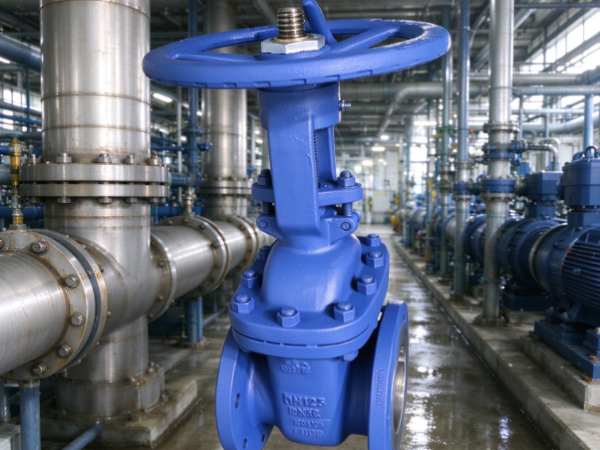
A gate valve works by moving a flat or wedge-shaped closing part up and down inside the valve body. When the valve opens, the gate moves away from the flow path. When it closes, the gate moves into position between the sealing surfaces and restricts fluid movement. This simple operating principle makes gate valves suitable for many industrial pipelines.
That said, a gate valve isn't designed to handle every type of flow-control task. Its operating method, sealing structure, installation position, and maintenance needs all affect how it performs within a piping system. Understanding these details helps engineers, maintenance teams, and purchasing professionals select suitable valves for different applications.
1. What Is a Gate Valve and Why Is It Used in Industrial Piping Systems?
A gate valve is a mechanical device used to start or stop fluid flow through a pipeline. Its main closing element is called a gate. Depending on the design, this component may have a flat shape or a wedge-like profile that fits against the valve's internal seating surfaces.
Gate valves are commonly used where a pipeline needs to stay open during normal operation and get closed when maintenance, inspection, or system changes become necessary. They show up in water distribution networks, industrial processing facilities, power generation systems, and various fluid-handling installations.
One reason for their widespread use is the relatively direct flow path available when the valve is fully open. The gate moves out of the main passage, letting fluid travel through the valve with limited obstruction from the closing element. This can make the design suitable for pipelines where a full flow path is needed during normal operation.
Gate valves also provide a clear operating function. The valve is either intended to be open or closed, rather than continuously adjusted to regulate flow. This distinction matters when selecting a valve for an industrial system.
In practice, a gate valve forms part of a wider piping arrangement. Its suitability depends on the fluid, operating conditions, pipeline layout, sealing requirements, and the way the system gets managed day to day.
2. How Does a Gate Valve Open and Close?
The operating principle of a gate valve rests on the vertical movement of its closing element. Although the external design can vary, the basic process stays similar across many common types.
Opening the valve
When an operator turns the handwheel or activates the valve's operating mechanism, the stem moves the gate away from the valve seat. The gate rises into the upper part of the valve body, clearing the main passage.
As the gate moves out of the way, fluid can pass through the valve. In a fully open position, the internal passage is generally designed to allow relatively unobstructed flow.
The amount of movement needed depends on the valve's design. Operators should follow the manufacturer's operating instructions rather than relying on a general number of turns or a visual estimate.
Closing the valve
When the operating mechanism moves in the opposite direction, the gate travels toward the seating surfaces. Once the gate reaches its closed position, the contact between the gate and seats helps prevent fluid from passing through the valve.
The sealing arrangement varies by design. Some valves use a wedge-shaped gate that presses against angled seating surfaces. Others use a parallel gate arrangement instead. The choice influences how the valve seals and how it responds to the conditions inside the pipeline.
A valve should always be operated in a controlled manner. Forcing the handwheel or applying excessive closing force can damage internal components, the stem, or the seating surfaces. If the valve doesn't move as expected, the cause should get investigated rather than overcome with extra force.
3. What Are the Main Components of a Gate Valve?
Although gate valves come in different designs, they share several main components. Each part contributes to the valve's ability to open, close, and contain fluid within the pipeline.
| Component | Main Function |
|---|---|
| Valve body | Forms the main housing and connects to the pipeline |
| Gate | Moves into or away from the flow path to close or open the valve |
| Stem | Transfers movement from the operating mechanism to the gate |
| Bonnet | Covers the upper part of the valve body and supports internal components |
| Seat | Provides the surface against which the gate closes |
| Packing | Helps limit fluid leakage around the stem |
| Handwheel or actuator | Provides the force needed to operate the valve |
The valve body must suit the pipeline connection and the service environment. Its design also needs to accommodate the internal movement of the gate.
The stem connects the external operating mechanism to the closing element. In some designs, the stem rises visibly as the valve opens. In others, the stem rotates while the gate moves inside the body without a similar visible change in stem height.
The seats carry particular importance because they help create the shutoff. If their surfaces become worn, scratched, or contaminated, the valve may not seal as intended.
Packing serves a different purpose altogether. It helps control leakage where the stem passes through the valve's upper housing. Packing that's worn, incorrectly installed, or poorly maintained can allow fluid to escape around the stem.
These components work together as a system. A problem in one area can affect the operation of the entire valve, even when the other parts appear to be in good condition.
4. What Is the Difference Between Rising Stem and Non-Rising Stem Gate Valves?
Gate valves are often divided into rising stem and non-rising stem designs. The main difference lies in how the stem moves during operation and whether its movement is visible from outside the valve.
A rising stem gate valve has a stem that moves upward as the gate opens and downward as it closes. This visible movement can help operators identify the valve's position at a glance. The rising stem does require enough vertical clearance above the valve, though.
A non-rising stem gate valve generally keeps the stem within a more compact external arrangement. The stem rotates to move the gate, while the stem itself doesn't rise in the same way. This design can prove useful where overhead space is limited, such as in valve chambers or confined installations.
| Feature | Rising Stem Gate Valve | Non-Rising Stem Gate Valve |
|---|---|---|
| Stem movement | Moves up or down during operation | Rotates without the same visible vertical movement |
| Position indication | Stem position can help show valve status | Position may require another indication method |
| Space needs | Requires clearance for stem travel | Often suits installations with limited overhead space |
| Common consideration | Exposed stem needs suitable protection | Internal position may be less obvious to an operator |
Neither design suits every installation. The decision depends on available space, operating access, environmental exposure, and how operators need to identify the valve's position.
For outdoor installations, exposed moving parts may need protection against corrosion, dirt, or accidental damage. For underground systems, compact dimensions and practical access for maintenance tend to matter more.
5. Where Are Gate Valves Used in Industrial Piping Systems?
Gate valves get used across a range of industries because many fluid systems need a reliable way to isolate a pipeline section. Their suitability depends on the service conditions and the specific valve design.
Water supply and treatment
Gate valves can isolate sections of water distribution lines, treatment equipment, storage facilities, and pumping systems. This lets workers carry out repairs or service equipment without shutting down every part of a network.
Oil and gas facilities
Pipeline systems may use gate valves to isolate sections during operating changes or maintenance. Valve material, sealing design, and compatibility with the conveyed fluid are important considerations in these settings.
Power generation
Power facilities contain extensive networks for water, steam, and other process fluids. Gate valves may get used where the system requires an isolation point, provided the valve suits the relevant service conditions.
Chemical processing
Gate valves may get selected for compatible process lines that need isolation. Chemical properties, temperature, pressure, and the risk of corrosion must be considered when choosing the body, gate, and sealing materials.
General manufacturing
Factory utility systems may use gate valves to isolate water lines, cooling circuits, and other suitable fluid services. Their placement can help maintenance teams work on specific equipment or pipeline sections without disrupting the whole operation.
Across these applications, the main purpose is usually isolation rather than continuous adjustment. A gate valve helps create a defined boundary within a piping network so that part of the system can be separated from another part.
6. Why Are Gate Valves Generally Not Used for Flow Regulation?
Gate valves are mainly designed to operate in fully open or fully closed positions. The gate can technically be left partially open, but this generally isn't the preferred way to regulate flow.
When a gate valve is partly open, fluid passes through a restricted area around the gate. Depending on the service conditions, this flow can create turbulence, vibration, and uneven forces on internal surfaces.
Over time, these conditions may contribute to wear or damage to the gate and seats. The valve may also provide limited control over the flow rate compared with a valve designed specifically for regulation purposes.
A globe valve or a suitable control valve gets considered more often when the application requires frequent adjustment of flow. These valve types are designed to manage changes in flow through a different internal arrangement entirely.
The distinction can be summarized as follows:
| Operating Requirement | Common Valve Choice | Reason |
|---|---|---|
| Isolating a pipeline section | Gate valve | Designed to open or close the flow path |
| Adjusting flow during operation | Globe or control valve | Designed to regulate flow |
| Frequent automated flow adjustment | Suitable control valve | Can work with an appropriate control system |
| Rapid isolation in a suitable application | Depends on system requirements | Closure speed, pressure conditions, and safety needs must be assessed |
The appropriate valve depends on the complete system, not just the desired flow rate. Process requirements, fluid characteristics, and operating procedures should guide the selection.
7. How Should Gate Valves Be Installed and Maintained?
Correct installation helps a gate valve operate as intended throughout its service life. Before installation, the valve should get checked for visible damage, contamination, and compatibility with the pipeline connections.
The pipeline should also be prepared so dirt, welding residue, or other foreign material doesn't enter the valve. Debris trapped near the seats can interfere with sealing and may damage internal surfaces when the gate moves.
The valve should be installed in a position that allows safe operation and practical maintenance. The stem, handwheel, or actuator needs enough clearance for movement. The installation should also follow the valve manufacturer's instructions concerning orientation, support, and connection procedures.
During operation, workers should use the designated operating mechanism and avoid applying excessive force. If the valve becomes difficult to turn, possible causes include debris, corrosion, damaged internal parts, or problems with the stem and packing.
Regular inspection can help catch issues before they interrupt the piping system. Maintenance teams may look for the following signs:
- Leakage around the stem or bonnet.
- Fluid passing through when the valve is meant to be closed.
- Unusual resistance when opening or closing.
- Corrosion or visible damage to external surfaces.
- Loose operating parts or signs of mechanical wear.
- Changes in operating behavior after maintenance or system changes.
Maintenance should match the valve's design and service conditions. Some problems may require packing adjustment or replacement, while others need internal inspection of the gate and seats.
Before removing a valve cover or opening any part of the assembly, the pipeline must be placed in a safe condition. The relevant section should be isolated, pressure released, and the system verified as safe according to site procedures. Hazardous fluids may require additional controls on top of standard practice.
For purchasing teams, these maintenance considerations also matter when comparing Gate Valves Supplier . Clear product documentation, suitable material options, accessible spare parts, and guidance on installation and servicing can help support the valve throughout its working life.
Recommended Products
The variety of models, to meet the development needs of various regions in the world.
Copyright © ZHEJIANG ROCK VALVE CO., LTD.

Cast Steel Valves Stock Wholesaler