


 English
 русский
 عربى
عربى Español
Industry News
Why Does Your Project Need a CE PED Certified Ball Valve?
Understanding Why Certification Matters
A CE PED Certified Ball Valve is widely used in pressure systems across industries such as oil, gas, water treatment, and chemical processing. Certification under the Pressure Equipment Directive (PED) indicates that the valve meets regulatory requirements in the European market. This is not only about compliance; it also reflects consistency in design, material selection, and testing procedures.
Common Pain Points in Valve Selection
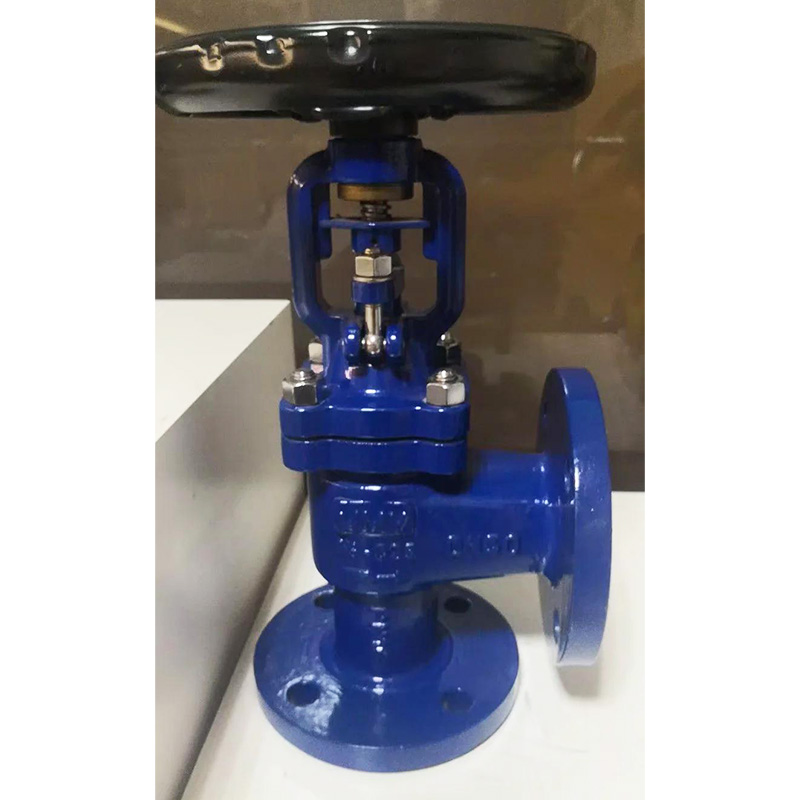
Choosing the right valve often involves several challenges:
- Unclear product specifications
- Inconsistent material quality
- Limited traceability in manufacturing
- Difficulty verifying compliance documents
A CE PED Certified Ball Valve addresses these concerns by aligning production with standardized inspection and documentation processes. This makes it easier to verify product data and reduces the risk of a mismatch between specifications and actual performance.
How a CE PED Certified Ball Valve Works
Ball valves operate through a rotating ball with a bore. When aligned with the pipeline, fluid flows through; when rotated, flow is restricted. This simple structure allows quick shut-off and low resistance.
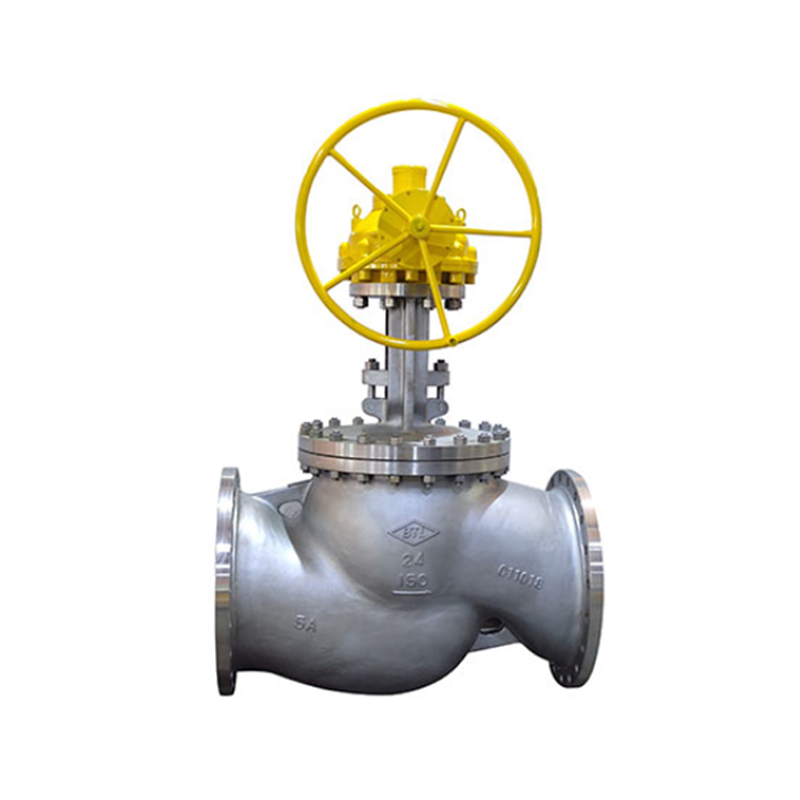
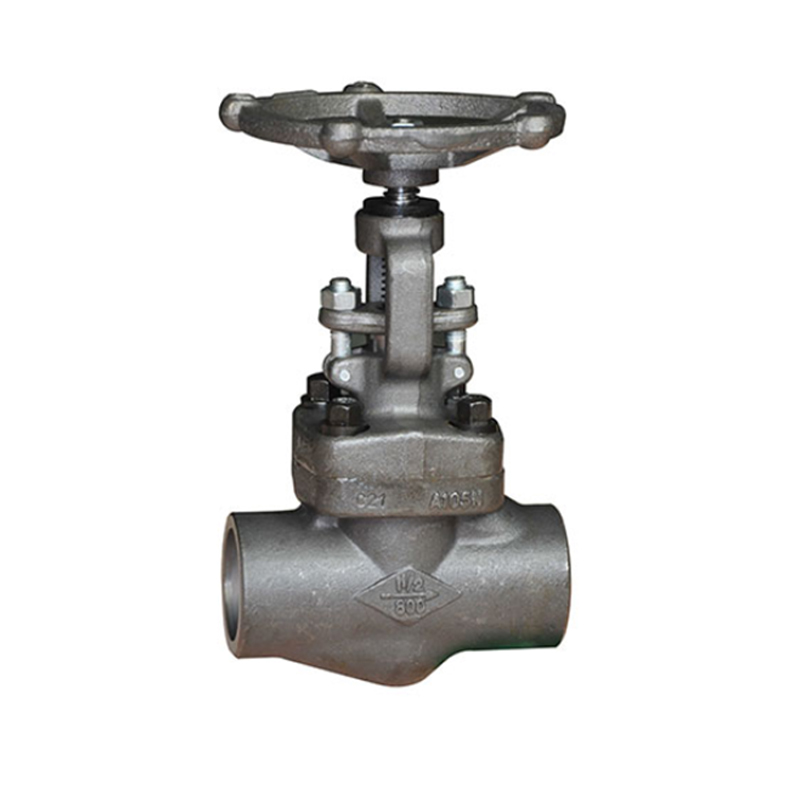
Compared with other valve types, such as globe valves, ball valves are often selected for applications where fast operation and tight shut-off are required. Globe valves, by contrast, rely on linear motion and are more suited for flow regulation due to their sealing structure and shorter stroke. Each valve type has its own application focus, and understanding these differences helps optimize system design.
Key Features to Look For
When evaluating a CE PED Certified Ball Valve, several technical aspects should be reviewed:
Material Compatibility
The valve body, ball, and sealing components must match the working medium. Stainless steel, carbon steel, and alloy materials are commonly used depending on corrosion resistance and pressure requirements.
Sealing Performance
Sealing materials such as PTFE or reinforced polymers play a key role in preventing leakage. The machining accuracy of the ball and seat also affects long-term sealing stability.
Pressure Rating
The valve must align with the system's pressure class. Certification ensures that the product has been tested under defined pressure conditions.
Operation Method
Manual, pneumatic, or electric actuation options are available. The choice depends on system automation needs and operating frequency.
Maintenance and Lifecycle Considerations
Proper maintenance extends the working life of a valve. Regular inspection of sealing components and actuation mechanisms helps identify wear before it affects performance.
In systems with frequent operation, checking the torque and lubrication of moving parts is important. For valves exposed to corrosive media, periodic cleaning and material inspection are recommended.
Replacing a valve should be considered when sealing performance declines or when operational resistance increases noticeably. Using a CE PED Certified Ball Valve simplifies replacement decisions because specifications are clearly defined.
A CE PED Certified Ball Valve provides a balance between regulatory compliance and practical performance. Understanding its structure, application scope, and manufacturing background helps make more informed decisions.
Working with a qualified CE PED Certified Ball Valve Factory allows access to stable production, technical support, and traceable documentation. These factors contribute to better alignment between project requirements and actual system operation.
Recommended Products
The variety of models, to meet the development needs of various regions in the world.
Copyright © ZHEJIANG ROCK VALVE CO., LTD.

Cast Steel Valves Stock Wholesaler