


 English
 русский
 عربى
عربى Español
Industry News
What Operating Pressures Are Suitable For Api 6d Gate Valve Systems?
Understanding API 6D Gate Valve
The API 6D Gate Valve is a widely adopted solution in industrial pipeline systems where controlling fluid flow with precision is crucial. It is designed for full-bore applications, allowing unobstructed flow when fully open and providing reliable shut-off when closed. Industries such as oil and gas, petrochemical plants, and large-scale water supply systems commonly rely on these valves to maintain operational stability.
Key Factors in Valve Selection
Choosing the right API 6D Gate Valve begins with understanding operational requirements. Factors to evaluate include:
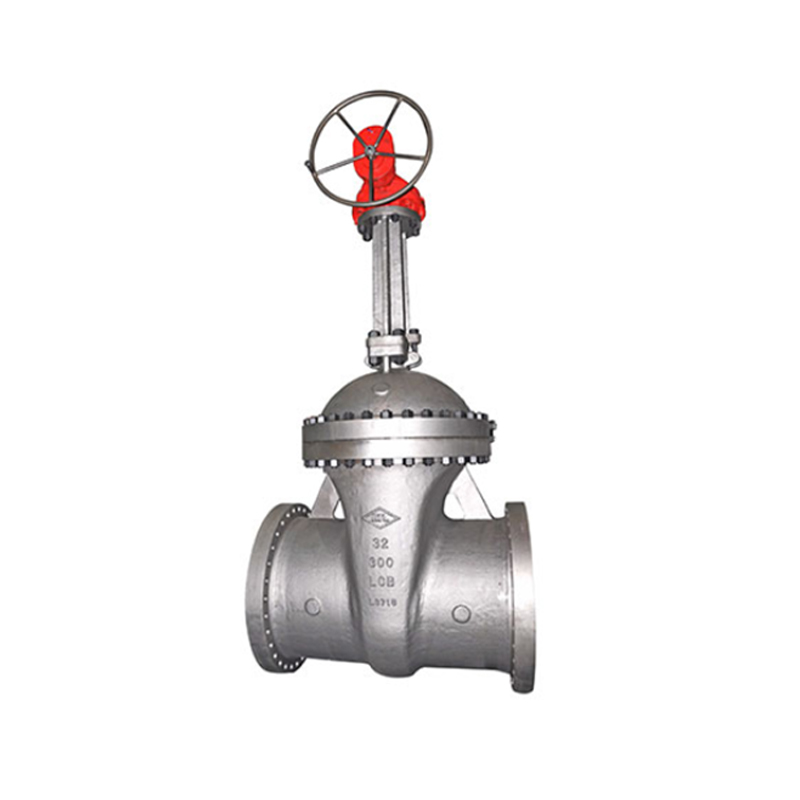
- Operating pressure and temperature: Each valve is rated for specific ranges. Using a valve outside its rated capacity can compromise performance and safety.
- Fluid type: The chemical composition, temperature, and viscosity of the fluid affect material compatibility and wear.
- Valve size and flow requirements: Correct sizing ensures efficient operation and prevents pressure imbalances.
Material selection plays a critical role. Carbon steel is common for general applications, while stainless steel provides corrosion resistance in chemical environments. Alloy steels may be necessary for high-temperature or high-pressure pipelines. Consulting with an API 6D Gate Valve Factory can guide suitable material grades for your specific scenario.
Advantages of Sourcing from an API 6D Gate Valve Factory
Working directly with a dedicated API 6D Gate Valve Factory ensures consistency and adherence to production standards. Factories maintain strict tolerances, and quality control protocols often include:
- Dimensional inspection of valve components
- Pressure testing to verify seal integrity
- Verification of actuator mechanisms and stem alignment
These procedures reduce the likelihood of operational failures and help maintain predictable system performance. Factories can also provide technical documentation and support for installation, commissioning, and maintenance planning.
Maintenance and Operational Considerations
Proper maintenance extends valve life and reduces operational disruptions. Regular inspections should focus on:
- Checking the valve stem and actuator for smooth operation
- Monitoring sealing surfaces for wear or leakage
- Cleaning deposits from the valve seat and body
Actuator lubrication and torque verification are also critical for smooth operation. Implementing a maintenance schedule based on operating conditions helps maintain consistent performance and reduces the risk of unscheduled downtime.
Installation and Integration
Integrating an API 6D Gate Valve into an existing pipeline requires attention to detail. Important considerations include:
- Flange alignment and bolt torque: Ensures a tight seal and prevents leaks
- Gasket selection: Compatible gaskets maintain integrity under pressure and temperature variations
- Positioning and support: Correct valve placement prevents unnecessary stress on pipeline joints
Some factories offer pre-assembly checks or guidance during installation, which can simplify integration and reduce potential errors.
Testing and Quality Assurance
Valves from an API 6D Gate Valve Factory typically undergo comprehensive testing before shipment. Common tests include:
- Shell test: Verifies structural integrity under pressure
- Seat test: Confirms sealing performance under operational conditions
- Functional checks: Ensures smooth actuation and proper alignment
Testing standards align with API 6D certification requirements, offering confidence in valve reliability and consistency across batches.
Recommended Products
The variety of models, to meet the development needs of various regions in the world.
Copyright © ZHEJIANG ROCK VALVE CO., LTD.

Cast Steel Valves Stock Wholesaler