


 English
 русский
 عربى
عربى Español
Industry News
How to Select a Long-Distance Pipeline Valve for Harsh Conditions?
The Role of Valves in Long-Distance Pipelines
Long-distance pipelines transport oil, gas, water, and chemical media across large geographic areas. Within these systems, the Long Distance Pipeline Valve plays a central role in controlling flow, isolating sections, and maintaining operational continuity. These valves are installed at strategic intervals to manage pressure variations and allow maintenance without shutting down the entire line.
Common Challenges in Pipeline Projects
Pipeline operators often encounter several recurring issues:
- Pressure imbalance across long routes
- Wear caused by continuous flow and friction
- Difficulty accessing remote valve locations
- Inconsistent product quality from different suppliers
The Long Distance Pipeline Valve is expected to handle these conditions while maintaining reliable sealing and operational responsiveness. Addressing these challenges begins with selecting valves designed for long-term use in demanding environments.
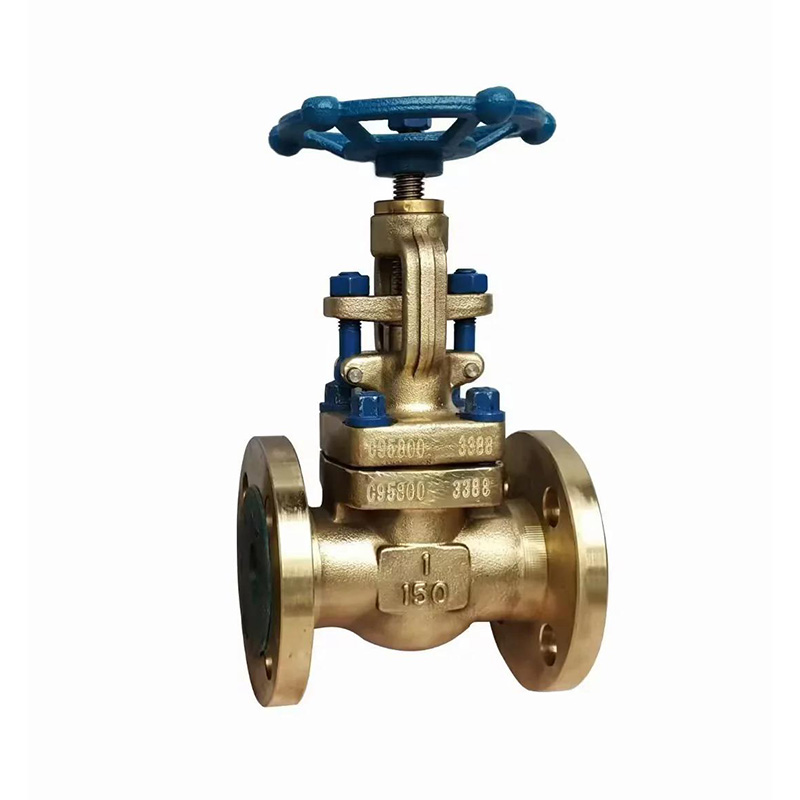
Structural Characteristics of Pipeline Valves
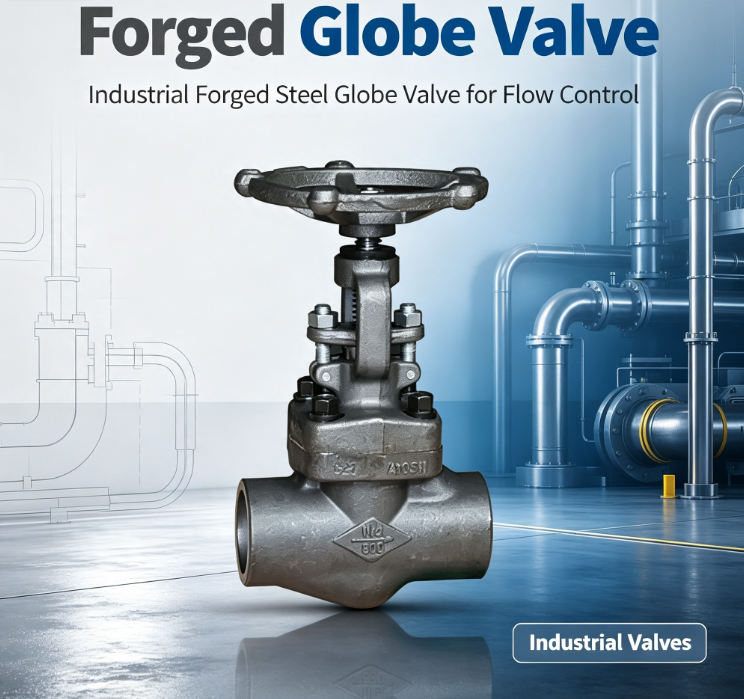
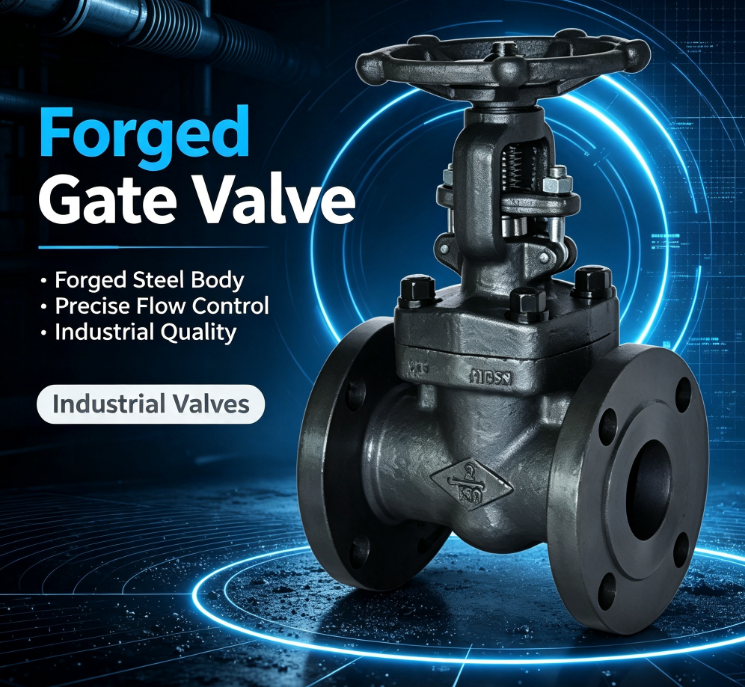
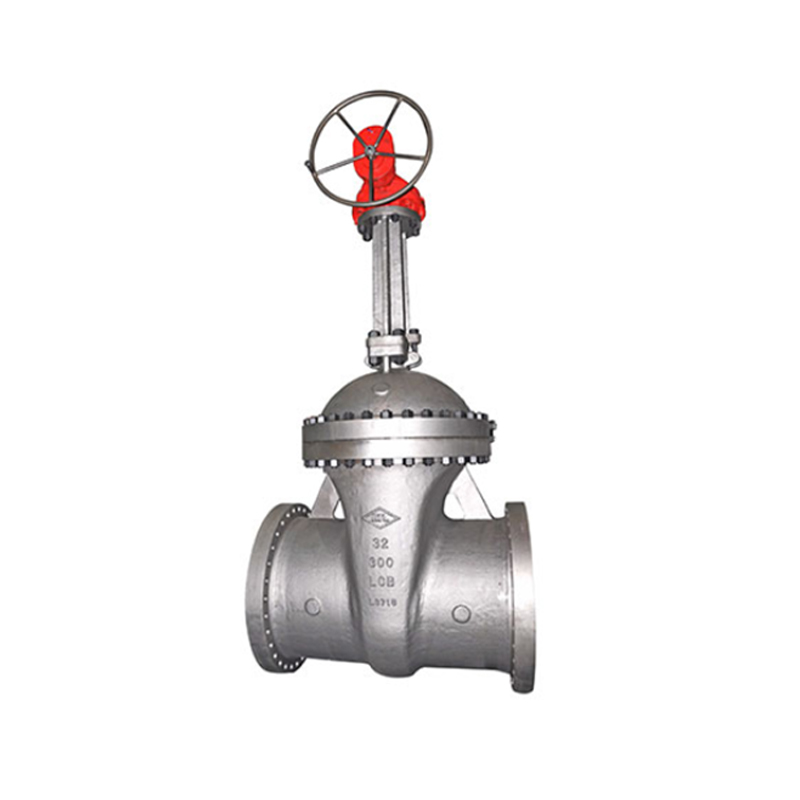
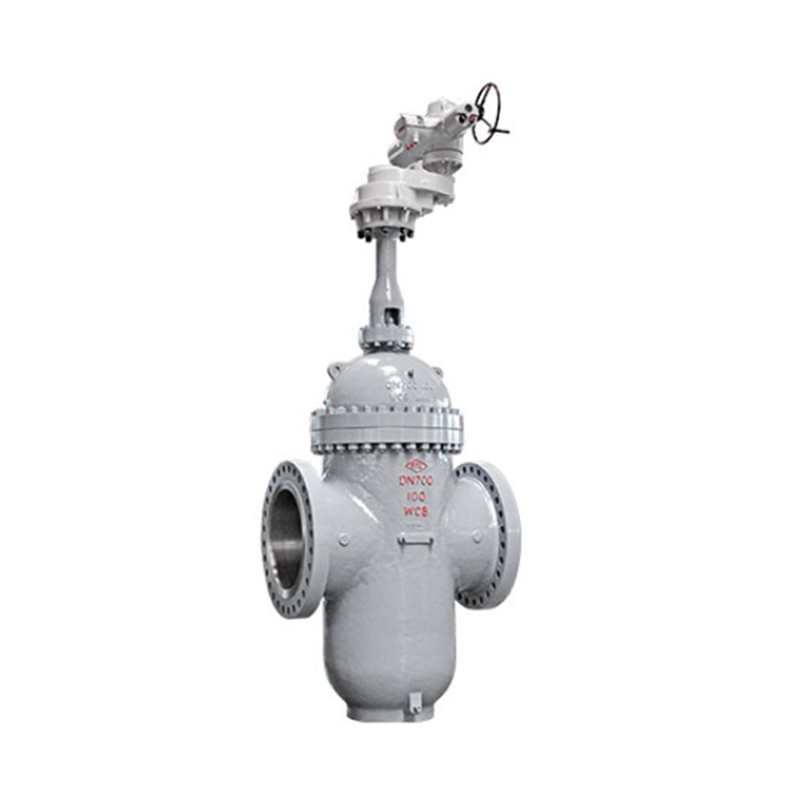
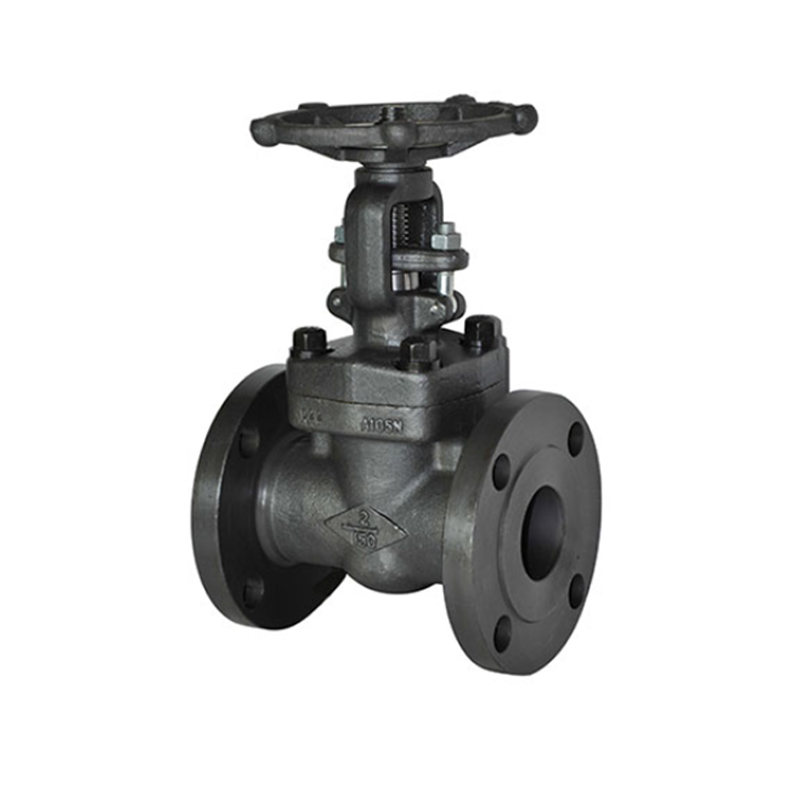
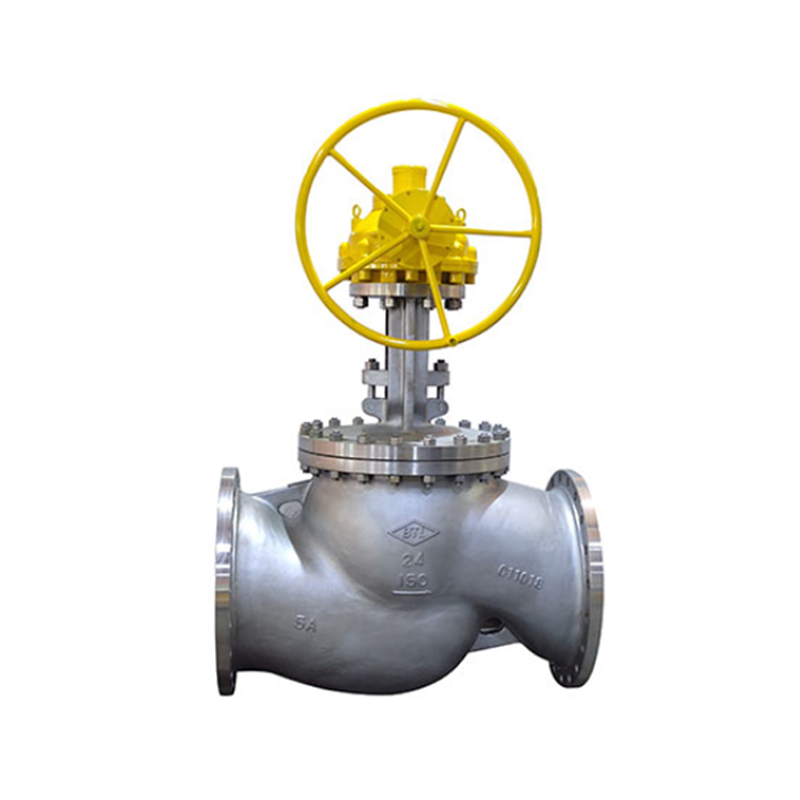
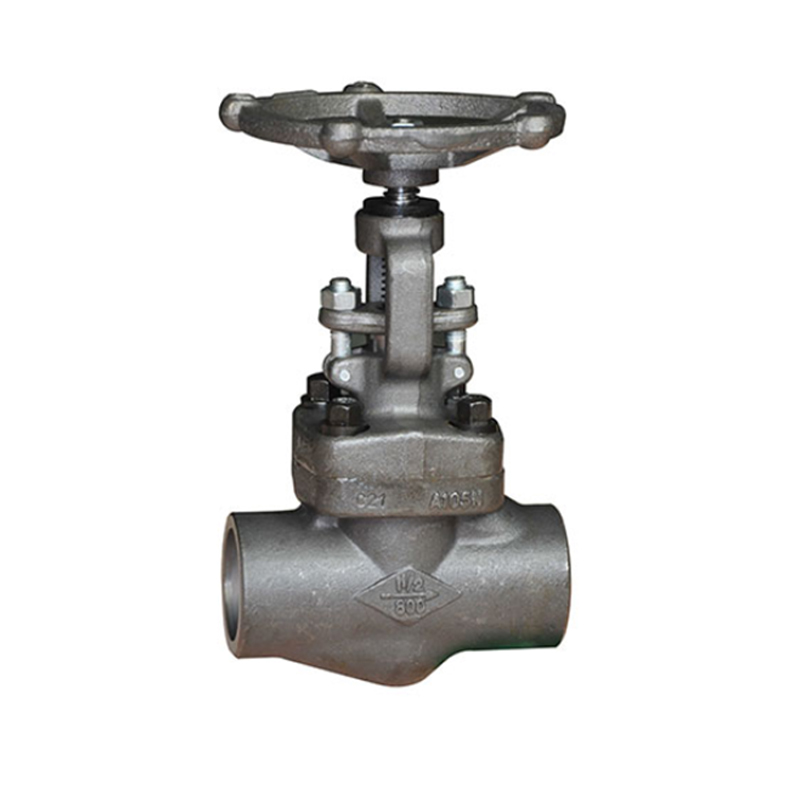
Different valve types are used in pipelines depending on the application. Ball valves are widely applied for quick shut-off, while gate valves are often selected for full-bore flow conditions. Globe valves, known for their linear sealing contact, are more suitable for flow adjustment rather than isolation.
In long-distance systems, valves must balance durability and functionality. The internal structure, including sealing surfaces and stem design, directly influences performance over time.
Material Selection and Its Impact
Material choice is a key factor in the performance of a Long Distance Pipeline Valve. Carbon steel and alloy steel are commonly used in pipeline systems due to their mechanical strength and resistance to pressure.
For pipelines transporting corrosive media, stainless steel or special alloy materials may be required. Material traceability is also important, as it allows verification of composition and compliance with standards.
A Long Distance Pipeline Valve Factory typically manages material sourcing, processing, and inspection internally to maintain consistency across production batches.
Manufacturing Standards and Certifications
Valves used in pipeline systems must comply with recognized international standards. These include API, ANSI, DIN, and ISO specifications. Compliance indicates that the valve has undergone standardized design verification and testing.
Manufacturers such as ZHEJIANG ROCK VALVE CO., LTD. produce valves in accordance with these standards, covering a wide range of sizes and pressure classes. Their certifications, including API 6D and ISO 9001, reflect adherence to structured quality management systems.
This level of compliance supports reliable integration into complex pipeline networks.
The Importance of Integrated Manufacturing
A Long Distance Pipeline Valve Factory that manages production in-house can maintain tighter control over quality and scheduling. This includes handling machining, assembly, and testing within a unified system.
ZHEJIANG ROCK VALVE CO., LTD. integrates these processes to produce valves that align with industry requirements across oil, gas, and pipeline sectors. Their ability to handle different metallurgical compositions and pressure classes supports a wide range of applications.
The Long Distance Pipeline Valve is a core component in modern pipeline infrastructure. Its design, material selection, and manufacturing quality directly influence system performance and operational continuity.
Working with a capable Long Distance Pipeline Valve Factory provides access to consistent production, technical support, and documented compliance. This helps align valve performance with the practical demands of long-distance pipeline systems.
Recommended Products
The variety of models, to meet the development needs of various regions in the world.
Copyright © ZHEJIANG ROCK VALVE CO., LTD.

Cast Steel Valves Stock Wholesaler