


 English
 русский
 عربى
عربى Español
Industry News
What Is a Cast Globe Valve Used For
Industrial piping systems often contain many components that work together to move, control, or isolate fluids. Some parts receive more attention because of their size or visible role. Valves can be much less noticeable, yet they have an important place in how a piping system operates.
A Cast Globe Valve is one type of valve used in industrial piping applications. Its main role is connected with controlling and stopping fluid movement. The valve can be used when a system needs more than a simple open or closed position.
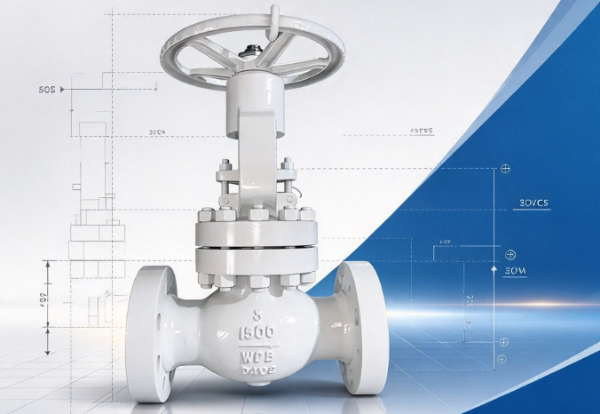
Different industries have different piping needs. Some systems need to manage the movement of water. Others handle steam, oil, gas, or other suitable fluids. The valve selected for an application needs to match the product design, operating conditions, and piping arrangement.
Understanding what a Cast Globe Valve is used for can help buyers and manufacturers make more informed product decisions. It also explains why this valve type continues to appear in different industrial applications.
What Is a Cast Globe Valve?
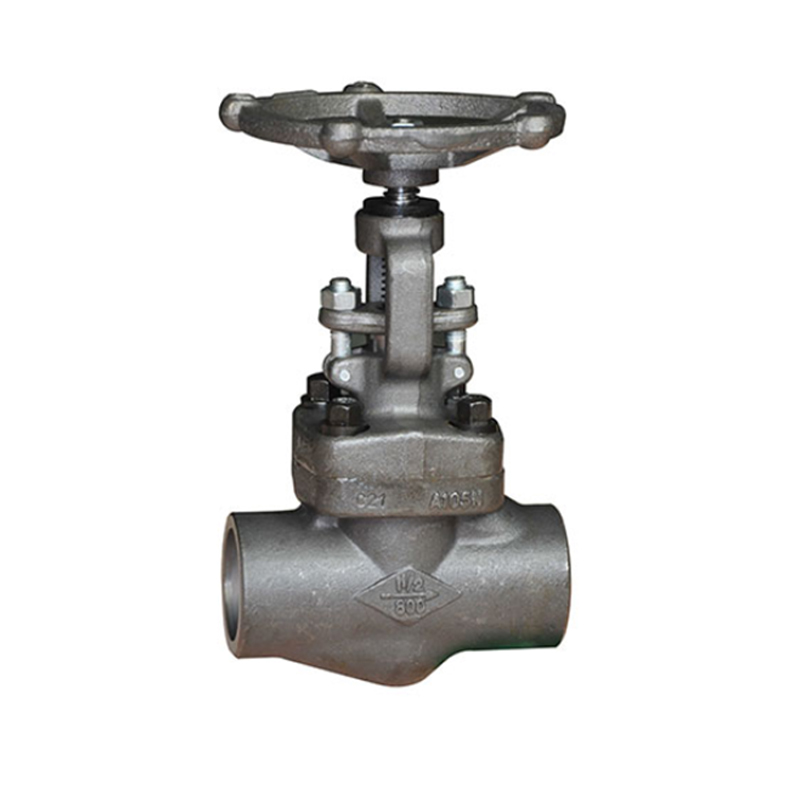
A Globe Valve is a globe valve made with a cast body. It is designed to control the movement of fluid through a piping system.
The valve has an internal closing element that moves in relation to the flow path. This allows the valve to adjust or stop fluid movement according to the needs of the system.
The term "cast" refers to the way the valve body is formed during manufacturing. Casting can provide manufacturers with a practical way to produce valve bodies with the shapes required for industrial applications.
A globe valve is generally considered when a piping system needs controlled flow rather than only simple isolation. This makes its role different from a valve that is mainly selected to remain fully open or fully closed.
The actual design can vary according to the intended application. Different products may have different connection arrangements, body designs, internal structures, and operating methods.
For buyers, the valve should therefore be considered as part of the complete piping system rather than as an independent component.
What Is a Cast Globe Valve Used For?
The main use of a Globe Valve is to control, regulate, or stop fluid flow within a suitable piping system.
A valve can be placed at a particular point in a pipeline where the movement of fluid needs to be managed. The operator can change the valve position according to the requirements of the system.
This makes globe valves useful in situations where flow control is part of normal operation.
For example, a production system may need to reduce the movement of a fluid during a particular stage. Another system may need to stop the flow temporarily while equipment is inspected or serviced.
Common uses can include:
| Use | Role of the Cast Globe Valve |
|---|---|
| Flow control | Helps manage the movement of fluid |
| Flow stopping | Stops fluid movement when required |
| System isolation | Separates part of a piping system |
| Process adjustment | Supports changes in fluid movement during operation |
| Equipment protection | Helps control flow around connected equipment |
| Maintenance support | Allows a section of a system to be isolated |
The specific use depends on the system. A valve should be selected according to the fluid, piping layout, equipment, and operating requirements.
This is why the same general valve type can appear in different industries while serving slightly different purposes.
Why Are Cast Globe Valves Used for Flow Control?
Flow control sits at the center of a lot of industrial processes. A piping system rarely needs fluid moving at the exact same rate or in the exact same way around the clock.
A globe valve gives operators a way to adjust flow simply by changing the valve's position. That hands operators real control over how fluid actually moves through the system.
This function pays off especially in systems where how much fluid moves through one section directly affects another part of the process downstream.
Take a piece of connected equipment that needs a controlled flow rather than fluid rushing through unrestricted. A valve placed between the piping and that equipment helps manage exactly that relationship.
Flow control also ties into process stability more broadly. Whenever fluid movement needs adjusting across different stages of operation, the valve becomes part of the overall control setup holding everything steady.
Choosing a globe valve isn't just about the fact that it can open and close. Its ability to support genuinely controlled flow is a real part of what makes it useful in the first place.
Manufacturers, then, need to look at the valve together with the wider process surrounding it. The body, the internal parts, the connections, and the operating method all need to fit the intended use as one coherent package.
Where Are Cast Globe Valves Commonly Used?
Valves can be found in a variety of industrial piping applications. Their use is related to the need to control or stop suitable fluids within a system.
They may be considered for water-related systems, steam systems, industrial processing equipment, energy-related facilities, and other applications where flow management is required.
Some common application areas include:
- Water treatment systems
- Industrial processing systems
- Steam-related piping
- Heating systems
- Cooling systems
- Energy equipment
- General industrial piping
- Equipment connection systems
The actual application can differ from one facility to another.
In a water system, the valve may help manage the movement of water between different sections. In a heating system, it may be used to control fluid movement around equipment. In an industrial process, it can help operators manage flow between different stages.
The valve's role can also change according to its location.
A valve installed near equipment may have a different purpose from one installed within a larger pipeline. One may help manage the flow entering equipment, while another may support isolation during maintenance.
This makes application knowledge important when selecting a valve.
Can a Cast Globe Valve Be Used for System Isolation?
Yes, a Cast Globe Valve can be used to stop fluid movement and isolate a section of a suitable piping system.
Isolation is often needed when part of a system requires inspection, cleaning, repair, or replacement. Stopping flow allows the affected section to be separated from other parts of the system.
For example, imagine a production line with several connected pieces of equipment. If one section needs attention, the entire system may not need to be shut down. A valve at an appropriate location can help separate that section.
This can make maintenance planning more practical.
However, isolation is only one part of the valve's role. Globe valves are also associated with flow regulation, so their use may involve both control and stopping functions depending on the system.
The location of the valve is important. Designers need to understand where isolation may be required and how the valve will interact with nearby components.
A suitable piping layout should provide enough access for operation and maintenance. The valve should also fit the connection arrangement and space available within the system.
These considerations can affect the final product choice.
How Do Different Industries Use Cast Globe Valves?
Different industries use valves according to their own process requirements. The basic function of a Cast Globe Valve remains related to flow management, but the surrounding application can be very different.
Water and Water Treatment
Water systems often contain multiple sections that need to be controlled separately. A globe valve may be used to manage water movement around equipment or between sections of a system.
Heating and Cooling
Heating and cooling systems rely on the movement of suitable fluids. Valves can help control this movement and support changes within the system.
Industrial Processing
Manufacturing processes may move fluids between different stages. A valve can provide a point where flow is adjusted or stopped when needed.
Energy-Related Equipment
Energy facilities can contain complex piping arrangements. Valves may be used around equipment and pipelines where fluid control is required.
General Industrial Equipment
Many industrial machines and systems use piping as part of their operation. A globe valve can become one component within this larger arrangement.
| Industry Area | Possible Valve Application |
|---|---|
| Water treatment | Flow management and section isolation |
| Heating | Control of fluid movement |
| Cooling | Management of circulating fluids |
| Industrial processing | Flow adjustment between process areas |
| Energy equipment | Control around connected systems |
| General manufacturing | Flow control within equipment piping |
The suitability of a valve depends on the actual working environment. Buyers should not select a product based only on the industry name.
What Should Manufacturers Consider When Choosing a Cast Globe Valve?
Selecting a valve involves more than checking its general type. The product needs to match the piping system and the intended use.
Manufacturers and engineering teams can consider several areas during product selection.
Fluid type is an important starting point. Different fluids may require different valve materials and product designs.
Flow purpose should also be clear. Is the valve mainly needed for adjustment, stopping, isolation, or a combination of these functions?
Installation location matters as well. The valve needs to fit the available space and connect correctly with the surrounding piping.
Operating method can affect how the valve is used in daily work. Depending on the system, manual operation or another suitable method may be considered.
Maintenance access should not be ignored. Workers may need to inspect or service the valve after installation, so its location and design should allow practical access.
A simple evaluation process can help:
- Identify the fluid and application.
- Define the required flow function.
- Review the piping arrangement.
- Check the valve connection and installation requirements.
- Consider operation and maintenance.
- Discuss application details with the valve manufacturer or supplier.
This approach helps buyers focus on the actual purpose of the valve instead of choosing only by appearance or general product category.
What Should Buyers Ask a Cast Globe Valve Supplier?
A supplier discussion should begin with the application rather than only the product name.
Buyers can explain where the valve will be installed, what fluid will pass through it, and what function it needs to perform. Drawings or other product information can also help the supplier understand the piping arrangement.
Useful questions may include:
- Is the Cast Globe Valve suitable for the intended application?
- What information does the supplier need before recommending a product?
- Can the valve design match the existing piping arrangement?
- What material options are available for the intended use?
- How does the supplier handle product inspection?
- Can samples or product drawings be provided for review?
- How are customized requirements handled?
- What support is available during product development?
- How does the supplier manage packaging and delivery?
- Can the supplier support future changes to the product?
Communication is particularly important when a valve is part of a custom system. A small difference in connection or installation requirements can affect the surrounding piping design.
Buyers can also ask about manufacturing experience with similar applications. The goal is not simply to find a supplier that sells globe valves. It is to understand whether the supplier can communicate clearly, produce the required valve design, and support the application from product discussion through production.
For manufacturers developing or sourcing industrial valves, application details provide a useful starting point for discussing the Cast Globe Valve and its role within the piping system.
Recommended Products
The variety of models, to meet the development needs of various regions in the world.
Copyright © ZHEJIANG ROCK VALVE CO., LTD.

Cast Steel Valves Stock Wholesaler