


 English
 русский
 عربى
عربى Español
Industry News
Where Are Cast Steel Gate Valves Installed in Power Plants
Cast Steel Gate Valve for Power Plant really rely on a whole web of interconnected systems just to manage fluid movement during day-to-day operation. Behind all that sit various industrial components that help control flow, support maintenance work along the way, and keep the overall process stable. Cast steel gate valves fit into this picture pretty prominently, showing up wherever reliable shut-off and solid flow management are actually needed.
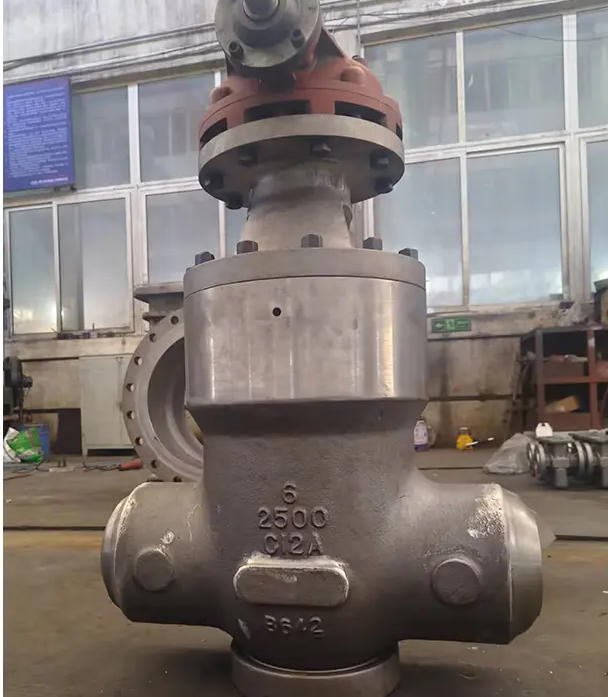
Gate valves might look like small parts when you're standing in front of a massive facility, sure, but their installation locations are actually pretty closely tied to how the whole plant operates. You'll typically find them along pipeline sections, at equipment connections, and in service areas where controlling fluid movement just has to happen.
Getting a handle on where cast steel gate valves actually get installed can really help buyers, engineers, and project planners understand their role within power plant systems a lot better.
Why Are Cast Steel Gate Valves Important in Power Plant Systems?
A power plant really is made up of a ton of different systems working together at once. Water, steam, and various other fluids need to move between different sections of the facility constantly, and all of that movement has to be managed pretty carefully to keep operations safe and maintenance manageable.
Cast steel gate valves tend to get picked for industrial applications quite often, mainly because they're built for situations where pipelines genuinely need dependable shut-off functions.
Their role really shows up in a handful of areas:
- Controlling fluid movement as it shifts between different sections
- Isolating equipment when inspection or maintenance work needs to happen
- Supporting pipeline management more broadly across the facility
- Helping operators keep a handle on system connections day to day
Where exactly a valve gets installed really comes down to how the plant is designed and what each pipeline is meant to do. A single facility might end up using valves across multiple areas, and each one of those locations ends up serving a pretty different function from the next.
Where Are Cast Steel Gate Valves Commonly Installed in Power Plants?
The installation of cast steel gate valves is usually connected with major fluid transportation routes. These areas require components that can support industrial working conditions.
Common installation locations include:
| Installation Area | Main Purpose |
|---|---|
| Water supply systems | Managing water movement |
| Steam-related pipelines | Supporting flow control |
| Equipment connection points | Allowing isolation during service |
| Cooling systems | Managing circulation routes |
| Auxiliary systems | Supporting plant operation |
Each area has different requirements. The same type of valve may serve different purposes depending on where it is installed.
How Are Cast Steel Gate Valves Used in Water Supply Systems?
Water systems are an important part of many power plants. Water may be used for different processes, including circulation, cooling, and general plant support.
Cast steel gate valves are often installed along water pipelines to help control movement between different sections.
Typical locations include:
1. Water Intake Sections
Valves may be installed near points where water enters the plant system. These positions allow operators to manage connections between external sources and internal pipelines.
2. Transfer Pipelines
Long pipeline routes may include multiple valve points. These locations help divide the system into different sections.
3. Equipment Connection Areas
When pumps or other equipment need inspection, valves can help separate the equipment from the rest of the system.
Water systems require organized flow management. Proper valve placement helps operators handle daily operation and maintenance tasks more easily.
Why Are Cast Steel Gate Valves Installed in Steam Pipeline Areas?
Steam systems make up another pretty important part of how a power plant runs day to day. These pipelines end up connecting different equipment areas across the facility, and that means they need careful management pretty much throughout.
Cast steel gate valves often get placed at key points along steam routes for exactly this reason.
A few common purposes tend to come up when it comes to installation:
- Separating pipeline sections when needed
- Supporting equipment maintenance work along the way
- Managing connections between different systems
- Helping operators keep control over operational processes overall
Valve placement usually gets worked out during the plant design phase itself. Engineers typically weigh in on pipeline structure, equipment layout, and maintenance requirements before settling on anything final.
Where each valve ends up really does affect how easily workers can access and manage different sections of the system down the line.
How Do Gate Valves Support Boiler-Related Systems?
Boiler-related areas contain many connected pipelines. These systems require components that help manage fluid movement and support regular service activities.
Cast steel gate valves may be installed around:
- Water supply connections.
- Pipeline sections near equipment.
- Service points used during maintenance.
- Supporting system connections.
The purpose is not only flow control. Valve placement also helps create separation between different sections when inspection or repair work is needed.
A well-planned valve arrangement can make maintenance activities more organized.
Are Cast Steel Gate Valves Used in Cooling Systems?
Cooling systems play an important role in maintaining stable plant operation. They involve the movement of water through different routes, making flow management necessary.
Gate valves may appear in cooling pipelines near:
Cooling Water Connections
These points connect different parts of the circulation system. Valves help operators manage water movement when adjustments are required.
Pump Areas
Pumps often connect with multiple pipelines. Installing valves nearby allows sections to be separated when equipment needs attention.
Maintenance Sections
Strategic valve locations help workers handle specific areas without affecting the entire system.
Cooling systems often cover large areas. Proper valve placement supports easier management across the facility.
What Role Do Cast Steel Gate Valves Play in Auxiliary Systems?
Power plants contain many supporting systems beyond major production areas. These auxiliary systems help maintain daily operation.
Cast steel gate valves can be found in areas such as:
- Service water pipelines.
- Drainage-related connections.
- Supporting circulation systems.
- Equipment supply routes.
Although these systems may not receive as much attention as major equipment, they are still important for overall plant function.
Valves installed in auxiliary areas help create better control over smaller but necessary processes.
How Do Engineers Decide Where to Install Cast Steel Gate Valves?
Valve installation is not random. Engineers consider many factors before selecting locations.
Important considerations include:
1. Pipeline Layout
The position of pipelines affects where valves can be installed. Engineers need to consider connection points and accessibility.
2. Maintenance Requirements
Valves are often placed where they can help separate equipment during service.
3. Operational Management
Operators need access to valves for daily adjustments and system control.
4. System Safety Planning
Valve placement is part of overall plant design. Each location should support organized operation.
A suitable installation plan helps reduce difficulties during future maintenance and system management.
What Should Buyers Consider When Selecting Cast Steel Gate Valves for Power Plants?
For buyers involved in power plant projects, understanding application areas is an important part of product selection.
Several points deserve attention:
Application Environment
Different installation locations may have different working conditions. Buyers should understand where the valve will be used before making a decision.
Supplier Experience
A supplier familiar with industrial applications can better understand project requirements and provide suitable support.
Product Consistency
Large projects often require multiple valves. Consistent production and communication help maintain project coordination.
After-Sales Support
Technical assistance and service communication can influence long-term cooperation.
Choosing a valve is not only about the product itself. It is also about whether the supplier understands the needs of the application environment.
How Is the Demand for Cast Steel Gate Valves Changing in Power Plant Applications?
Power plant systems continue to develop, and equipment selection is becoming more focused on reliability, maintenance convenience, and long-term use.
This change influences how industrial valves are viewed. They are no longer considered simple pipeline parts. Their placement and performance are connected with the efficiency of plant management.
Future demand is likely to focus on solutions that support:
- Easier system maintenance.
- Better pipeline organization.
- Flexible plant management.
- Stable industrial operation.
Cast steel gate valves remain an important component in many power plant systems because their installation locations support key processes throughout the facility.
Recommended Products
The variety of models, to meet the development needs of various regions in the world.
Copyright © ZHEJIANG ROCK VALVE CO., LTD.

Cast Steel Valves Stock Wholesaler