


 English
 русский
 عربى
 Español

Industry News
How to Choose a Rock Valve for Industrial Applications
Rock valves show up in industrial systems handling concrete, abrasive materials, heavy mixtures, and other substances that chew through equipment over time. Their job is controlling material movement and keeping connected machinery running smoothly. Picking the right one, though, takes more than matching size or connection type on a spec sheet. Buyers really need a handle on the material being moved, the working environment, how the system's laid out, and what maintenance actually looks like down the line.
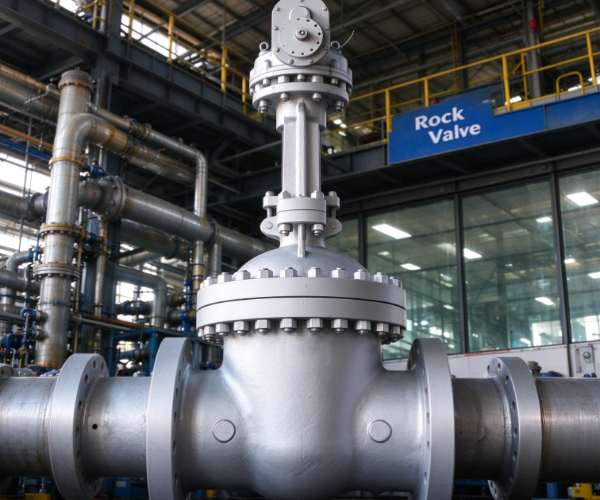
Different industrial jobs put different demands on valve design. A valve working in a concrete pumping system faces a completely different set of conditions than one handling general material transfer. Get the match wrong, and you're looking at uneven material flow, constant maintenance calls, or headaches during installation that never should've happened.
For equipment manufacturers, maintenance crews, and industrial buyers alike, a clear-headed selection process cuts a lot of that risk out. Understanding how a rock valve actually works, where it's going, and what the system genuinely needs lets buyers decide based on real operating conditions instead of guesswork.
1. What Should You Understand About Rock Valve Applications Before Making a Choice?
It can mean pretty different things depending on the equipment and industry you're in. In concrete pumping, it usually points to a valve assembly directing concrete through a pumping cycle. In other material-handling contexts, the same term gets used for equipment managing coarse or abrasive substances instead.
That distinction matters more than it sounds, because the name alone just doesn't carry enough information to pin down the right product. Worth confirming the intended use directly with the manufacturer or supplier before comparing anything side by side.
The application also shapes how the valve actually interacts with the rest of the system. It might need to manage dense material, handle repeated movement, adapt to shifting operating conditions, or stand up to particles gradually wearing down internal surfaces. All of this feeds into design, material choice, and maintenance planning.
Before even reaching out to a supplier, it helps to put together a basic description of the application — what the system handles, how material moves through, what the valve's actually expected to do during normal operation.
Worth asking:
- What material will pass through the valve?
- Is the material abrasive, dense, sticky, or prone to separation?
- Does the valve direct material between different flow paths?
- How frequently will the equipment operate?
- Will the valve go into new machinery or replace something already installed?
These details give suppliers a much clearer picture of what they're actually dealing with — and head off confusion between products that share a name but do completely different jobs.
2. How Does the Material Being Handled Affect Rock Valve Selection?
The material moving through the system drives a lot of the selection decision. Its physical properties shape wear, flow behavior, cleaning needs, and what kind of valve construction actually holds up.
Concrete's a good example — it's a mix of cement, water, sand, aggregate, and those solid particles rub against valve surfaces constantly as it moves. The mixture's consistency can shift too, depending on composition and handling conditions. A valve working in this environment needs to genuinely work with the material and the pumping process, not just physically fit the connecting pipes.
Other abrasive materials bring their own headaches. Coarse particles strike internal surfaces hard; fine particles sneak into gaps or mess with sealing areas. Materials prone to sticking make cleaning and inspection a lot harder than they'd otherwise be.
Describing the material accurately matters a lot more than reaching for something vague like "heavy-duty material." A useful description covers composition, consistency, particle characteristics, and how it tends to behave during transfer.
| Material characteristic | Why it matters | What buyers should discuss |
|---|---|---|
| Abrasive particles | Contact can gradually wear internal surfaces | Wear-resistant construction and replaceable components |
| Dense mixtures | Material movement may place greater demands on the system | Compatibility with the pumping or transfer process |
| Sticky substances | Material may remain on internal surfaces | Cleaning access and maintenance procedures |
| Coarse aggregate | Larger particles may affect passage and movement | Internal flow path and equipment compatibility |
| Changing consistency | Flow behavior may vary during operation | Suitability for the range of expected working conditions |
Treat this table as general guidance, not a universal spec — actual requirements come down to the specific valve design and the equipment it's working inside.
Worth telling the supplier whether the material contains additives or other substances that might affect contact surfaces too. That kind of detail lets them actually assess whether the proposed valve fits, rather than guessing.
3. Which Rock Valve Design Is Suitable for Your Equipment?
Rock valves aren't interchangeable just because they perform a loosely related function. Internal structure, movement mechanism, connections, intended operating conditions — all of this can differ a lot between products that look similar from the outside. The design needs to match the equipment's actual operating principle and material flow needs.
In concrete pumping equipment specifically, a rock valve assembly often needs to redirect concrete flow between different passages as the pumping cycle shifts. That design has to mesh with the pump, delivery lines, and whatever else is connected. A valve built for a different industrial process might look nearly identical and still fail to do the same job at all.
The surrounding machinery should really drive the selection here. Buyers need to understand how the valve connects into the system, how it moves during operation, and whether its design actually supports the required material path. This matters especially when a replacement's on the table.
Points worth reviewing:
- Operating principle — confirm how the valve opens, closes, or redirects material.
- Flow path — check whether the internal passage suits both material and equipment layout.
- Connection design — verify it matches the existing interface and installation arrangement.
- Moving components — understand how the internal mechanism interacts with material during operation.
- Maintenance access — consider whether inspection, cleaning, and part replacement happen without unnecessary disruption.
Product drawings, installation instructions, and info straight from the original equipment manufacturer all help clarify these points. If the valve's part of a bigger machine, compatibility should get confirmed with the equipment supplier directly — not judged off appearance alone, which is an easy trap to fall into.
For customized machinery, it's worth discussing installation space, connection arrangement, and operating sequence directly with the rock valve manufacturer. That keeps the selected design supporting the whole system instead of creating problems right at the connection point or once operation starts.
4. How Important Are Valve Materials and Wear Resistance?
Material choice directly shapes how a rock valve holds up against repeated contact with abrasive substances. Internal surfaces, moving parts, sealing areas — each experiences wear differently, and a material that's great for one component might be entirely wrong for another given how different their functions are.
Wear-resistant construction usually matters a lot when a rock valve handles concrete or similar abrasive mixtures. Still, worth not just taking a supplier's word for it when they call something "wear-resistant" — the real question is whether the materials and component design actually fit the intended operating conditions, not just the label.
The type of wear matters too. Sliding contact gradually erodes a surface over time. Repeated impacts hit exposed areas hard. Particles trapped near moving parts can interfere with normal movement altogether. Sealing areas take extra stress when the valve operates frequently.
A practical evaluation should cover a few angles.
Internal contact surfaces
Ask directly which materials sit in areas touching the transferred substance. The answer should connect clearly to the material's characteristics and expected wear pattern.
Sealing components
Seals control unwanted leakage and support the valve's intended operation. Their suitability hinges on the working environment, the material being handled, and how the valve actually moves. Worth confirming the sealing arrangement genuinely fits the application.
Replaceable parts
Some components wear faster than others, naturally. If those parts can be inspected and swapped out separately, maintenance teams service the assembly without replacing the whole unit — a real cost and downtime saver. Worth checking which parts are replaceable and whether suitable replacements are actually available when needed.
Compatibility between components
The valve's parts need to work together as a system. How moving surfaces, seals, and supporting components are designed shapes wear and operating consistency overall. Reviewing the complete assembly beats fixating on one material claim in isolation.
Material choice also needs to account for the surrounding environment — moisture, cleaning methods, temperature swings, contact with other substances can all shift what's actually suitable. Share these conditions with the manufacturer before confirming any order.
5. What Operating Conditions Should Buyers Evaluate?
A rock valve operates as one piece of a much larger industrial process. How suitable it is depends on conditions created by the connected machinery, the material flow, and the production routine around it.
Operating frequency is worth weighing first. A valve running constantly through a shift needs a different maintenance approach than one used occasionally. Frequent operation racks up movement cycles fast and exposes components to repeated contact with abrasive material.
Pressure and flow conditions in the system matter too. Buyers don't need to crunch every engineering detail themselves, but they do need to hand the equipment manufacturer the information required to make a sound call. The selected valve has to actually fit the conditions the system's designed around.
Environmental conditions shape things as well. Outdoor equipment deals with rain, dust, shifting temperatures. Industrial installations often come with tight space, limited access, or specific cleaning rules. All of this touches both installation and ongoing maintenance.
Worth running through before choosing:
- Does the system run continuously or intermittently?
- Are there frequent shifts in material flow?
- Does the environment expose the valve to moisture, dust, other external factors?
- Is there enough room to install and service it properly?
- Will maintenance require shutting down connected equipment?
- Are there specific operating instructions the replacement part needs to follow?
The answers here define what the valve actually has to handle — and give you something concrete to discuss with a supplier instead of vague assurances.
Avoid picking a valve purely off a general application description. Two systems can both handle concrete or abrasive material and still differ wildly in equipment structure, operating cycle, maintenance needs. Selection really should reflect the actual installation, not just a broad industry category it happens to fall under.
6. How Can Buyers Confirm Rock Valve Compatibility During Replacement?
Replacement jobs call for extra care, since the existing system already has a defined structure built around it. A valve that looks similar to the original can still differ in connections, internal design, or how it interacts with other components — differences that aren't always obvious at a glance.
The safest route is identifying the original valve and the equipment model it belongs to. Product drawings, part references, installation documents, maintenance records — whatever's available helps pin down the right replacement. Hand these over to the supplier rather than relying on a photo alone.
Physical fit matters, sure, but it's not the whole story. The replacement also has to perform the same function within the equipment. Differences in internal passages, moving components, or sealing arrangements can all affect how material actually passes through.
A solid compatibility review covers:
- Equipment identification — confirm the machine type and where exactly the valve sits.
- Connection details — check the mounting arrangement and interfaces with connected components.
- Functional requirements — confirm the replacement supports the same material path and operating sequence.
- Component condition — inspect connected parts for wear or damage that might affect the swap.
- Installation requirements — review the supplier's instructions and any adjustments needed before running it.
Also worth thinking through why the original valve's failing in the first place. Wear's often just normal use catching up — but repeated failures usually point to something bigger. Material conditions, cleaning practices, installation issues, or wear in connected components can all be contributing.
Sharing this with the manufacturer makes the replacement conversation a lot more productive. It can reveal whether the same design still fits, or whether operating conditions need a second look before another valve goes in.
For existing machines, lock down compatibility before ordering, not after. That cuts the risk of a component showing up that simply won't install or doesn't meet the equipment's actual functional needs.
7. What Maintenance Requirements Should Influence Your Decision?
Maintenance shapes the real cost and usability of a rock valve across its whole service life. One that's hard to inspect or needs extensive disassembly just creates more work for maintenance crews — a real problem in production environments where equipment uptime matters a lot.
Worth understanding upfront how the valve gets inspected, which parts tend to need attention, and what procedures are recommended after use. The answer shifts depending on the design and the material being handled.
For equipment exposed to abrasive mixtures, regular inspection catches wear before it messes with normal operation. Maintenance staff may need to check internal surfaces, seals, moving components, connection areas — following the manufacturer's instructions and whatever the operating system demands.
Cleaning deserves its own thought too. Material left sitting inside a valve can harden, build up around moving parts, or make later inspection a lot harder than it needs to be. The right cleaning procedure depends on both the substance being handled and the valve's construction. Worth confirming how the assembly can actually be cleaned safely and effectively before relying on it.
When comparing options, review:
- Whether internal parts can be inspected without excessive disassembly.
- Which components can be replaced individually.
- Whether replacement parts are actually available through the supplier.
- What tools and procedures routine service requires.
- Whether installation and maintenance instructions come included.
- How wear or operating problems should get reported and assessed.
Spare parts availability deserves real attention here. If a valve has components that wear through normal use, access to compatible replacements lets maintenance teams actually plan service work ahead of time instead of scrambling. Worth confirming part identification and ordering procedures before equipment goes into regular rotation.
Also worth asking whether the manufacturer can walk through common signs of wear. That kind of guidance helps operators know when a valve needs inspection and when it's time to call in professional service instead of guessing.
Maintenance shouldn't be an afterthought bolted on post-installation. A design that fits both the working environment and the available service process tends to be a lot easier to manage over the long haul.
8. What Should You Ask a Rock Valve Manufacturer Before Ordering?
A rock valve manufacturer can genuinely help connect application requirements with product design — but the quality of that conversation depends entirely on the information handed over. A vague request for "a rock valve for industrial use" just doesn't give a supplier enough to work with.
Explain the intended application, material characteristics, equipment type, installation arrangement, and expected operating conditions clearly. For replacement projects specifically, photographs, drawings, equipment identification, and details on the original component help clarify exactly what's needed.
The supplier's response should explain how the proposed valve actually matches those needs. Look for concrete product information, not broad claims about durability or performance that don't say much of anything.
Worth asking:
- Which applications is this rock valve designed to support?
- Is it compatible with the equipment currently in use?
- What materials make up the main components and contact surfaces?
- Which parts wear fastest, and can they be replaced separately?
- What inspection and cleaning procedures does the manufacturer recommend?
- Are installation instructions and product drawings available?
- Can the manufacturer review a custom connection or installation requirement?
- How are spare parts identified and supplied?
- What information's needed to confirm compatibility before ordering?
Communication matters a lot more when buying from an overseas rock valve supplier too. Worth confirming scope of supply, packaging arrangements, documentation, and how product questions actually get resolved. If the order involves a custom assembly, both sides should agree on drawings and functional requirements before production even starts.
A clear purchasing process cuts down on misunderstandings — and makes comparing quotations a lot easier, since every supplier's responding to the same application requirements instead of filling in their own assumptions.
Choosing a rock valve for industrial applications really comes down to matching the product against its actual working conditions. Material properties, valve design, equipment compatibility, wear resistance, environmental conditions, maintenance access — all of it feeds into the decision. Buyers who nail down these needs and talk them through with a qualified manufacturer end up narrowing the field fast and landing on a valve that genuinely fits the system it's going into.
Recommended Products
The variety of models, to meet the development needs of various regions in the world.
Copyright © ZHEJIANG ROCK VALVE CO., LTD.

Cast Steel Valves Stock Wholesaler