

 English
 русский
 عربى
عربى Español
Industry News
Home / News / Industry News / Why Flanged End Cast Steel Globe Valves Remain a Common Choice for Flow Management
In many industrial projects, valve selection is not a decision made only by looking at a product catalog. A valve needs to fit into a larger system where equipment, pipelines, and operating processes work together.
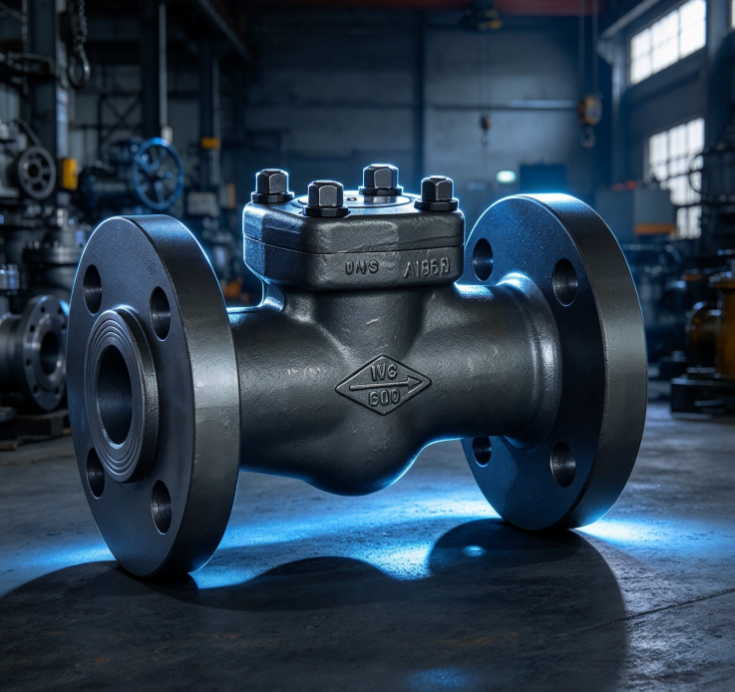
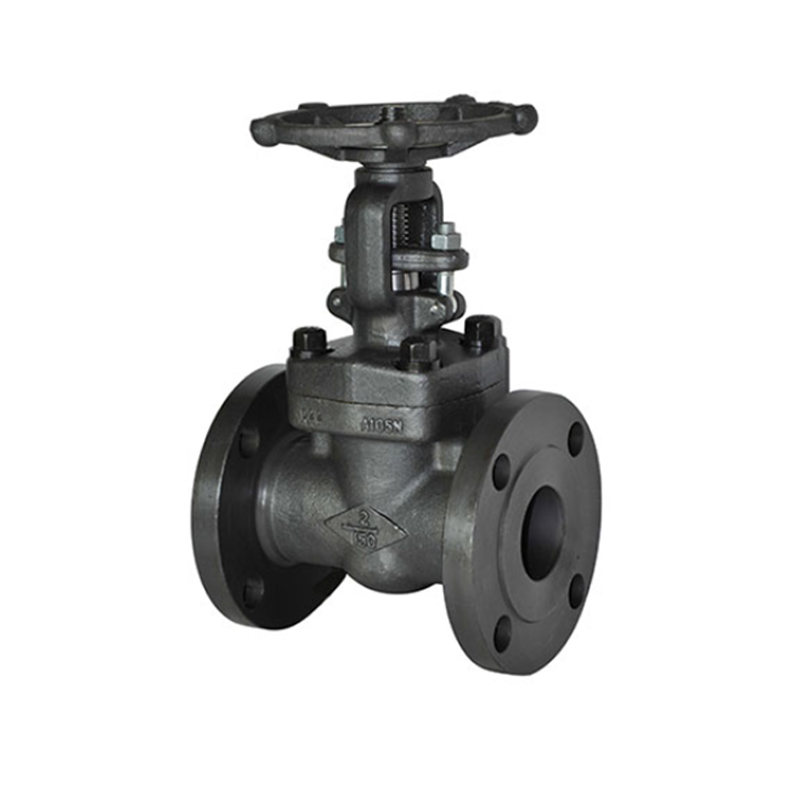
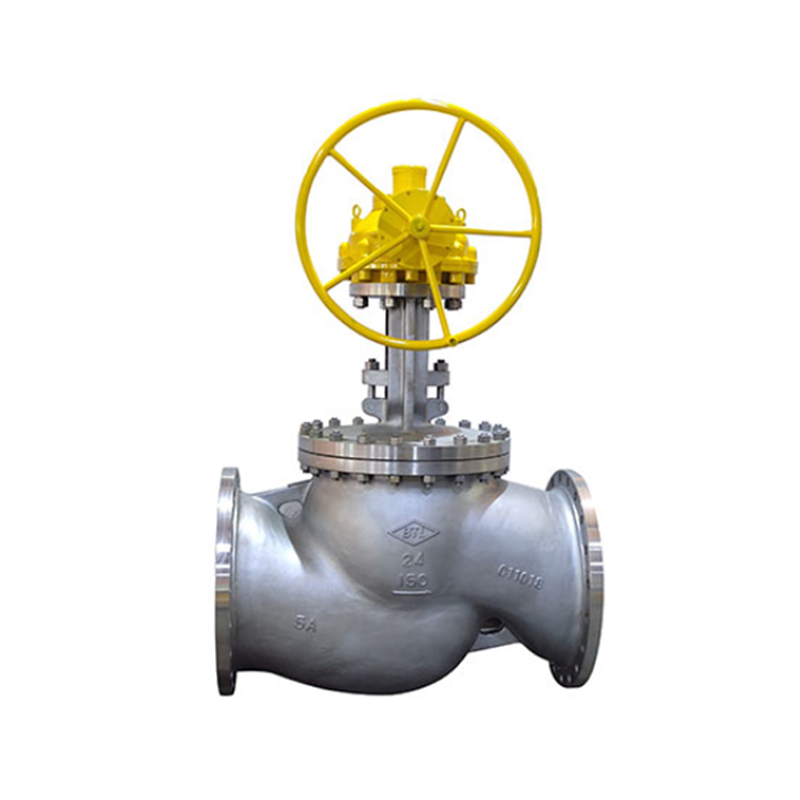
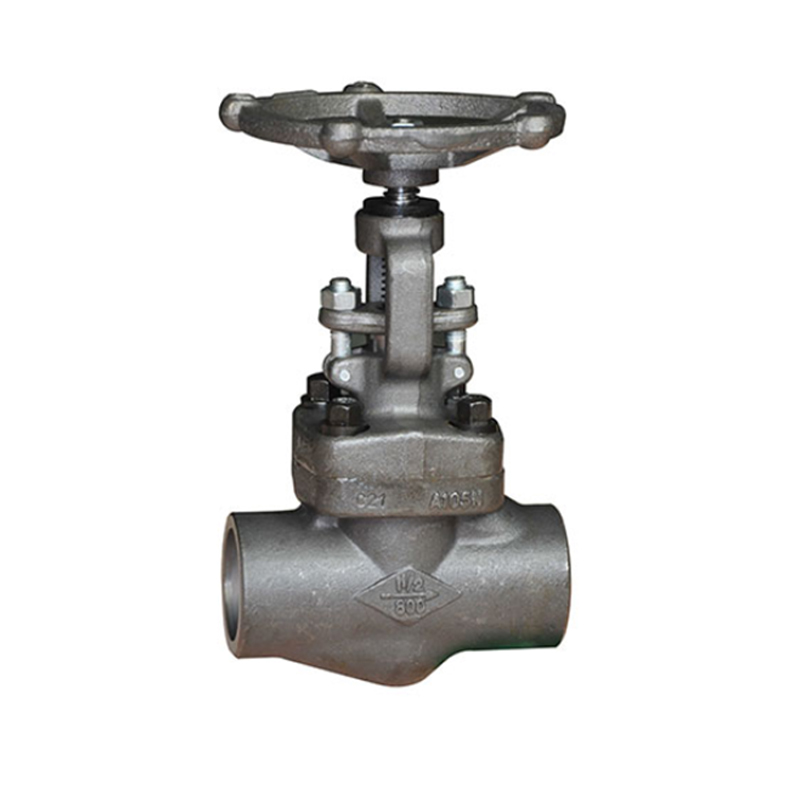
This is one reason flanged end cast steel globe valves continue to appear in different industrial applications. They have become a familiar option for companies that need controlled flow management and stable system connections.
When engineers or purchasing teams choose industrial components, they usually consider more than the initial purchase. They think about installation, future maintenance, supplier communication, and how the product fits into the working environment.
A valve that matches the needs of a system can make project planning easier. An unsuitable choice may create additional work during installation or later operation.
The continued attention toward flanged end cast steel globe valves comes from this practical consideration. They are not selected only because of their name or design. They are chosen because many industries need dependable solutions for managing flow in daily operations.
| Purchasing Consideration | Why Buyers Pay Attention |
|---|---|
| System compatibility | Helps equipment work together smoothly |
| Application requirements | Matches different industrial needs |
| Supplier communication | Supports clearer cooperation |
| Product experience | Helps reduce selection uncertainty |
Industrial systems often involve the movement of liquids or other materials through connected equipment. Managing this movement requires suitable control methods.
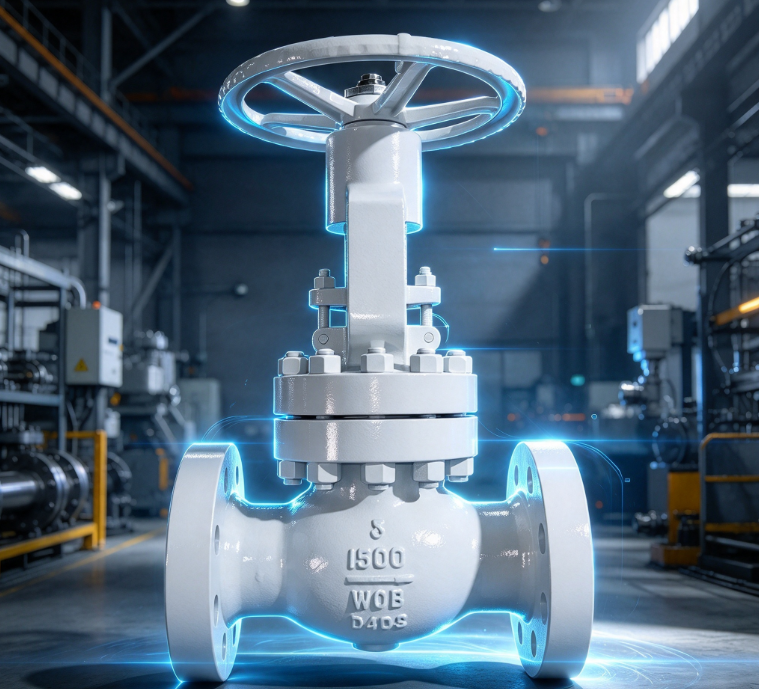
A globe valve is commonly associated with applications where adjusting and controlling flow is important. Unlike simple open-and-close equipment, it is often considered when operators need more control during system operation.
Different industries have different reasons for using valves. A processing facility may focus on maintaining smooth operations. Another industrial environment may pay more attention to equipment coordination and system planning.
Because every project has its own requirements, buyers usually evaluate valves according to their actual applications.
This is also why manufacturers need to understand customer situations before recommending products. The same valve may be viewed differently depending on where it will be used.
The selection process has become more careful. Companies are not simply searching for available products. They are looking for solutions that fit their working conditions.
The connection between a valve and a pipeline system affects how equipment is arranged and maintained. A suitable connection method can make installation planning more convenient.
Flanged end designs have been used in many industrial environments for a long time. Their familiarity has made them a consideration for many buyers when selecting valves.
In industrial purchasing, familiarity can influence decisions. Companies often prefer products that match existing practices and are easier for their teams to understand.
However, choosing a connection style is not only about tradition. It also depends on the project environment and system requirements.
Valve suppliers often discuss connection needs with customers before production. This conversation helps both sides understand whether a product is suitable for the intended application.
For international buyers, this communication is especially important. They need suppliers who can explain product options clearly and help avoid problems caused by misunderstandings.
Material selection has always been an important part of industrial equipment purchasing. Different working environments create different expectations for product use.
When buyers look at flanged end cast steel globe valves, they often consider how the material choice matches their application.
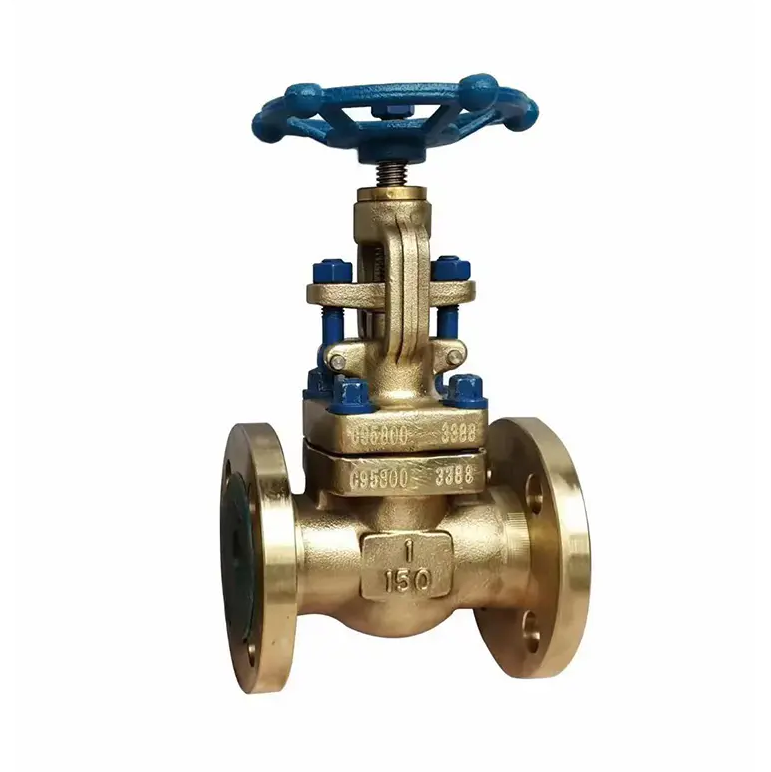
A valve is expected to become part of a larger system. Because of this, material decisions are connected with many other factors, including equipment planning, operating conditions, and long-term use.
Manufacturers spend considerable attention on understanding these requirements. A supplier that knows the application background can provide more useful guidance.
The conversation around materials has also changed. Buyers are becoming more interested in understanding why a certain option may be suitable instead of simply comparing product descriptions.
This shift has encouraged closer cooperation between manufacturers and customers.
The supplier is no longer only a production source. In many cases, the supplier also becomes a source of product knowledge and application advice.
The industrial purchasing process has become more detailed. Companies now look at the overall value of cooperation rather than focusing on one single factor.
When selecting a flanged end cast steel globe valve supplier, buyers often consider communication ability, production experience, and understanding of application requirements.
A supplier may offer a product that looks suitable, but buyers also want to know whether the manufacturer can support future cooperation.
Clear communication can make a significant difference. Industrial projects often involve multiple discussions before a final decision is made.
Suppliers that understand customer concerns can provide more useful responses. This helps buyers feel more confident during the selection process.
For manufacturers, this means building relationships has become just as important as making products.
| Supplier Factor | Buyer Concern |
|---|---|
| Industry experience | Understanding of applications |
| Communication quality | Easier project discussions |
| Product knowledge | Better selection support |
| Service ability | Long-term cooperation potential |
Nearly every industrial sector needs tools to regulate fluid flow. Even if their working scenarios are totally different, every pipeline system has the same basic demand: controlling the flow of medium.
Production factories, chemical processing plants and other industrial sites all rely on matched hardware to make their whole system run steadily.
Cast steel flanged globe valves are widely sought after, as they meet this universal demand for industrial flow regulation.
No single valve model works for every working environment, and buyers know this clearly. They place great importance on selecting products that fit their unique project operating conditions.
Industries hold different priorities when sourcing valves. Some clients prioritize overall system design, while others value stable product quality and timely supplier technical support more.
These varied standards push valve makers to keep learning the specific demands of each industry market.
Suppliers who have served a wide range of industrial projects can understand clients' actual problems and communicate much better.
Industrial buyers are much better informed these days, which keeps reshaping the valve market. Clients now ask for clear product details and consistent technical support through the whole cooperation process.
Valve factories have adjusted their operations to focus more on direct customer communication and deep insight into each client's on-site working conditions.
The bond between suppliers and buyers is no longer just a simple one-off deal. Most enterprises look for long-term partners who can give professional advice in the early planning stage.
This trend has changed how factories introduce their products. Instead of merely listing technical parameters, they spend more time explaining practical application scenarios to help buyers pick the right valve model.
For producers of cast steel flanged globe valves, grasping shifting market demands is a core part of product development.
Project requirements differ greatly between jobs. Suppliers that stay flexible and quick to respond can easily cope with all sorts of industrial project environments.
Industrial equipment markets are shaped by changing customer needs, production methods, and project requirements.
Valve selection will continue to depend on how well products match real applications.
For flanged end cast steel globe valves, their continued presence in industrial systems is connected with their practical role in flow management.
Future purchasing decisions may place more attention on supplier cooperation, product suitability, and application support.
Manufacturers that understand these changes can better respond to market expectations.
The industrial valve sector continues to develop around one basic requirement: finding suitable solutions for different operating environments. Flanged end cast steel globe valves remain part of this process because they continue to meet the needs of many flow management applications.
The variety of models, to meet the development needs of various regions in the world.
Copyright © ZHEJIANG ROCK VALVE CO., LTD.

Cast Steel Valves Stock Wholesaler