


 English
 русский
 عربى
عربى Español
Industry News
What Makes a Globe Valve Suitable for Chemical Process Applications
Chemical processing depends on the controlled movement of fluids. Materials may need to travel between storage areas, processing equipment, transfer lines, and other parts of a production system. The way those fluids are managed can influence how smoothly the wider process operates.
This is where valve selection becomes an important part of equipment planning.
A globe valve is often considered for applications where controlled flow is part of the operating need. Its design allows users to manage fluid movement rather than treating the valve as a simple open-or-close component.
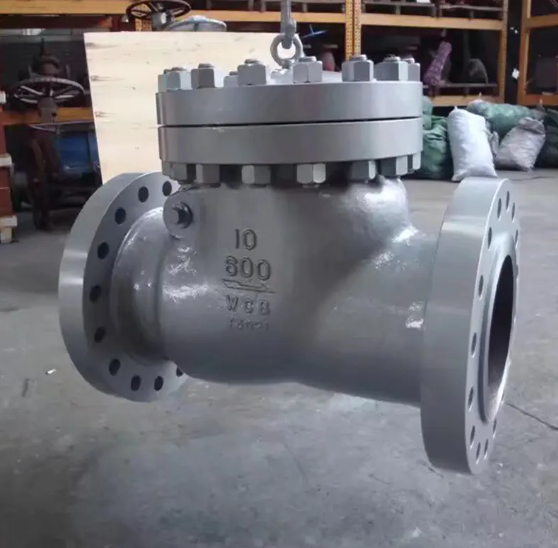
Yet chemical processes are rarely identical. Different fluids can create different material requirements. Different production areas can also have different operating routines.
For manufacturers and buyers, suitability therefore goes beyond the valve itself. It involves how the valve fits the fluid, the equipment around it, the working environment, and the way operators expect to use it.
As chemical processing continues to involve varied production requirements, application-focused valve selection is becoming a practical topic for equipment planners.
Why Are Globe Valves Used in Chemical Process Applications?
Chemical production often requires more than simply allowing a fluid to pass through a line.
Operators may need to adjust movement between different parts of a process. A valve can therefore become part of the daily management of a production system.
A globe valve is associated with controlled flow because its structure allows the flow path to be adjusted through valve movement. This makes it relevant to applications where fluid movement needs attention during normal operation.
The reasons for considering this type of valve can vary:
- The process may require controlled fluid movement.
- Different stages may have different flow needs.
- Operators may need to adjust fluid movement during production.
- The valve may need to work as part of a larger equipment arrangement.
- Maintenance and access can influence product selection.
The important point is that a globe valve should be viewed within the complete process.
A valve that works well for one application may not automatically suit another. Chemical composition, temperature conditions, installation position, cleaning practices, and operating habits all deserve consideration.
This application-based approach has become increasingly relevant as chemical equipment becomes more closely matched to individual production needs.
What Makes a Globe Valve Suitable for Different Chemical Fluids?
The fluid itself is one of the most important considerations.
Chemical fluids can differ widely in their properties. Some may interact with unsuitable materials. Others may require careful handling because of their physical characteristics.
For this reason, valve material selection should begin with the fluid rather than with the valve name alone.
Manufacturers may discuss the materials used for different valve components and how they relate to the intended application. Buyers can use this information to compare possible choices with their own process requirements.
| Chemical Process Consideration | Buyer Question | Possible Valve Selection Focus |
|---|---|---|
| Fluid Type | What material will pass through the valve? | Consider suitable material options |
| Fluid Characteristics | Does the fluid create special handling concerns? | Review application compatibility |
| Contact Materials | Which valve parts will contact the fluid? | Consider appropriate component materials |
| Cleaning | How will the equipment be cleaned? | Consider the cleaning routine |
| Operating Environment | Where will the valve be installed? | Review surrounding conditions |
| Maintenance | How will the valve be inspected or serviced? | Consider access and product structure |
| Process Changes | Could the fluid or application change later? | Allow room for future planning |
A responsible selection process does not rely on a general statement such as "chemical resistant."
Suitability depends on the actual application.
Buyers should provide clear information about the fluid and expected operating conditions. This allows the supplier to discuss whether a particular globe valve design is appropriate.
How Does Material Selection Affect Globe Valve Applications?
Material selection can influence the relationship between a valve and a chemical process.
The valve contains several parts, and not every component necessarily has the same role. Some parts may come into direct contact with the fluid. Other parts may remain outside the main flow area.
This means material discussions should be specific.
A buyer may ask which materials are used for fluid-contacting components, sealing areas, and external parts. The supplier can then explain how those choices relate to the intended application.
The conversation can also include future use.
A production facility may handle one type of material today and another during a later stage of product development. If the application is expected to change, this should be discussed before purchasing decisions are finalized.
Three areas deserve particular attention:
Fluid compatibility
The selected materials should be considered in relation to the fluid being handled. A suitable choice for one process may not be suitable for another.
Operating environment
The surrounding environment can affect product selection. Installation areas may have different cleaning routines, temperatures, or exposure conditions.
Product maintenance
Materials also matter during inspection and maintenance. The valve should fit the way the facility manages its equipment.
This approach helps move the conversation from a generic product category toward a more practical application decision.
Can Globe Valve Design Support Controlled Fluid Management?
Flow management is often connected to production stability.
When fluid moves through different stages of a process, operators may need to adjust how much material passes through a particular section. A valve can provide a way to respond to these changing requirements.
A globe valve is commonly associated with this type of controlled movement.
Its value is not limited to the physical valve structure. The surrounding system also matters.
A valve may be connected to pipes, processing equipment, storage vessels, or other components. Its location can influence how operators access and use it.
A practical design therefore needs to consider the complete working environment.
For example, a valve placed in a difficult-to-reach area may create challenges even if its basic function suits the application. A design that is easier to access can make routine inspection and adjustment more manageable.
Manufacturers are therefore paying attention to how valve design connects with actual working conditions.
The discussion is shifting from "What type of valve is this?" to "How will this valve be used?"
That change can help buyers make more informed decisions.
What Should Buyers Consider Before Choosing a Globe Valve?
Choosing a valve for chemical processing requires more than comparing product names.
Buyers should explain the application clearly. This gives manufacturers enough context to discuss suitable options.
Useful questions include:
What fluid will the valve handle?
The supplier needs to understand the material involved before discussing compatibility.
Where will the valve be installed?
Installation conditions can influence access, arrangement, and product selection.
How will the valve be operated?
Different production routines can create different handling needs.
What equipment will connect to the valve?
Understanding the surrounding system can help avoid installation problems.
How will the valve be cleaned and maintained?
Routine care should be considered before the product is selected.
Could the application change later?
Future changes may influence the most practical product choice.
What information can the supplier provide?
Clear product information can help buyers compare options more carefully.
These questions can make communication between the buyer and manufacturer more productive.
They also help prevent a common purchasing mistake: selecting a valve based only on general product descriptions.
Where Can Globe Valves Fit Within a Chemical Production System?
Chemical processing includes many different activities.
A globe valve may be considered in areas where controlled fluid movement is relevant. The exact application depends on the production layout and the material being handled.
Potential application areas include:
| Application Area | Common Fluid Management Need | Possible Globe Valve Role |
|---|---|---|
| Chemical Processing | Movement between process stages | Supports controlled fluid movement |
| Liquid Transfer | Moving fluids between equipment | Helps manage transfer flow |
| Storage Systems | Connecting storage with process equipment | Supports controlled movement from storage |
| Mixing Processes | Managing material movement | Can be considered for suitable process lines |
| Treatment Areas | Adjusting movement through equipment | Provides a flow control option |
| Cleaning Systems | Moving cleaning fluids | May support selected cleaning arrangements |
| Manufacturing Lines | Coordinating fluid movement | Can form part of a wider process system |
| Utility Systems | Managing suitable service fluids | May be considered where controlled movement is required |
Not every application will call for a globe valve.
The correct choice depends on the process.
A chemical facility may use several valve types across different areas because each location has its own requirements. The goal is not to use one valve design everywhere. The goal is to match each product with its intended role.
This distinction is important for both equipment manufacturers and purchasing teams.
How Can Globe Valve Manufacturers Adapt to Chemical Process Needs?
Manufacturers have an important role in connecting standard valve designs with specific applications.
Chemical processing companies may have different fluids, layouts, maintenance routines, and product requirements. A manufacturer that understands these differences can provide more useful product guidance.
The development process may involve discussion around materials, product structure, connections, installation, maintenance, and expected use.
Manufacturers can also gather information from customers during product development.
For example, a buyer may explain that a valve will be installed in an area where frequent inspection is required. Another customer may have different concerns related to cleaning or fluid compatibility.
These conversations can influence product planning.
| Development Area | Manufacturer Discussion | Potential Application Benefit |
|---|---|---|
| Material | Review suitable material choices | Helps match the valve with the fluid |
| Product Structure | Discuss the intended installation | Supports practical equipment planning |
| Fluid Handling | Understand the process requirement | Helps align the valve with its role |
| Maintenance | Review inspection and service routines | Supports easier equipment management |
| Connections | Consider surrounding equipment | Helps coordinate system installation |
| Cleaning | Understand the cleaning process | Supports application-specific planning |
| Product Changes | Discuss possible future needs | Allows greater flexibility during development |
| Documentation | Provide relevant product information | Helps buyers make informed decisions |
This approach can create a clearer connection between manufacturing and real-world use.
It also gives buyers an opportunity to raise concerns before the product reaches the installation stage.
Could Supplier Communication Influence Globe Valve Selection?
The relationship between a chemical processor and a valve supplier does not have to end with a product quotation.
Good communication can begin much earlier.
A supplier may need to understand the intended fluid, installation environment, production process, maintenance routine, and connection requirements. Without this information, product recommendations may remain too general.
Buyers can improve the discussion by preparing application information before contacting suppliers.
They can describe what the valve needs to do, where it will be installed, and what problems the current equipment creates. Even simple information can help clarify the application.
Supplier communication can also become important when conditions change.
A production line may be modified. A different fluid may be introduced. Equipment may be rearranged. Cleaning procedures may change.
When these developments are communicated clearly, manufacturers can respond with more relevant product discussions.
This is especially useful for companies that treat valve selection as part of wider equipment planning rather than as an isolated purchasing task.
The growing focus on application-specific equipment is also changing how manufacturers present globe valves. Instead of discussing the valve only as an individual component, suppliers are increasingly expected to explain how it can fit into the process around it.
For chemical processing companies, that creates a more practical way to evaluate equipment.
The question is no longer simply whether a globe valve can control fluid movement. It is whether its materials, structure, installation, maintenance requirements, and intended use align with the particular process in which it will operate.
Recommended Products
The variety of models, to meet the development needs of various regions in the world.
Copyright © ZHEJIANG ROCK VALVE CO., LTD.

Cast Steel Valves Stock Wholesaler