

 English
 русский
 عربى
عربى Español
Industry News
Home / News / Industry News / High Temperature High Pressure Gate Valve for Power Plant Applications Supports Reliable Flow Control
Power plant systems depend on many components working together in a demanding environment. Among them, valves have a practical role that can be easy to overlook. They help control the movement of fluids through different parts of a system. When operating conditions become demanding, valve selection becomes closely connected with system planning.
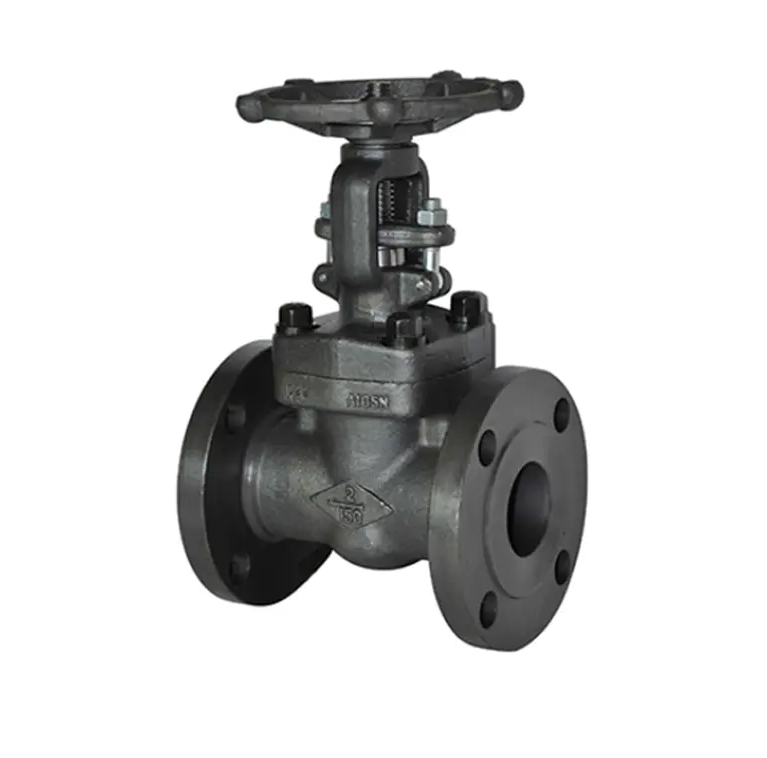
A high temperature high pressure gate valve for power plant applications is designed for situations where both heat and pressure require careful consideration. Its role is not simply to open or close a passage. The valve also needs to fit the surrounding equipment, operating practices, maintenance plans, and expected working conditions.
As power generation systems continue to evolve, the market is paying more attention to how individual components support overall system stability. This has brought greater interest in valve design and application.
Power plant systems can contain many interconnected flow paths. Each path may have a different purpose. Some carry fluids between major pieces of equipment. Others support auxiliary processes or maintenance activities.
A valve placed within these paths needs to match its intended role.
Gate valves are commonly associated with applications where a flow path needs to be opened or closed. This makes their position within a system important. A valve that is not suited to its location can create unnecessary operating concerns.
Selection therefore involves more than looking at the valve itself.
Plant operators and project teams may consider the surrounding system, the nature of the fluid, expected operating conditions, available installation space, maintenance access, and the way the valve will be operated.
This broader approach helps explain why high temperature high pressure gate valve for power plant applications has become a specific product category rather than simply another type of industrial valve.
The valve is part of a larger operating environment.
Its design needs to make sense within that environment.
Temperature and pressure can influence how equipment behaves during operation. When both conditions are present, the choice of valve becomes more important.
A high temperature environment can affect materials, seals, connections, and other parts of a valve. High pressure creates another set of demands. These conditions may change how the valve responds during opening, closing, and routine operation.
For this reason, power plant users cannot treat all gate valves as interchangeable.
The intended operating environment needs to be understood before a product is selected.
A useful way to view the relationship is through several basic considerations:
| Operating Consideration | Why It Matters |
|---|---|
| Temperature | Can influence material and sealing choices |
| Pressure | Affects the suitability of the valve for its intended service |
| Fluid Characteristics | Helps determine whether the valve design fits the application |
| Installation Location | Influences access and surrounding equipment requirements |
| Operating Frequency | Helps define practical operating expectations |
| Maintenance Access | Can affect inspection and service arrangements |
| System Layout | Determines how the valve fits into the overall flow path |
These factors are connected.
A valve that appears suitable when viewed separately may not be the right fit once the complete system is considered.
Flow control is closely connected with the way a power plant operates.
Different parts of a plant may require fluids to move through specific paths at different stages of operation. The ability to isolate a section of the system can also be important during inspection or maintenance.
A gate valve can provide a straightforward way to control a flow path.
Its value comes from its role within the system rather than from the valve alone.
When a valve is properly positioned and selected, operators can manage the relevant flow path according to the needs of the plant. This can make system operation more organized and support maintenance planning.
The relationship between valve position and plant operation is particularly important in large systems. A single valve may sit within a network of equipment where access is limited and operating decisions affect other components.
That is why valve selection often begins with a question about the system rather than the product.
Where will the valve be installed?
What will it control?
How will operators interact with it?
What happens when that section needs to be isolated?
These questions provide a clearer foundation for choosing a suitable valve.
A valve designed for demanding conditions needs to account for more than pressure and temperature.
Its overall construction can influence how it fits into a plant. The body, closure arrangement, sealing areas, connection method, and operating mechanism all form part of the product's practical design.
For users, simple operation can be valuable.
Operators may need to open or close a valve during planned procedures. They may also need to confirm its position or access it during maintenance. A design that is easy to understand can support these routine activities.
Maintenance is another important consideration.
Power plant equipment is usually part of a planned maintenance environment. Valves may need to be inspected, adjusted, or serviced as part of wider plant activities. Easy access can make these tasks more manageable.
This is where product design and plant design meet.
A valve may have suitable characteristics for its operating conditions, but installation still matters. If access is difficult, routine service can become less convenient. If the valve is positioned without considering nearby equipment, future work may require additional planning.
Good application decisions therefore consider the complete installation.
Material choice is closely related to operating conditions.
Different parts of a valve may face different demands. Some areas interact directly with the fluid. Others are exposed to heat, pressure, or repeated movement.
This means material selection should be connected with the intended application.
For high temperature high pressure gate valve for power plant applications, material decisions can influence the valve's ability to operate within its expected environment. They can also affect sealing, maintenance, and service considerations.
However, there is no single material choice that suits every power plant application.
The surrounding conditions matter.
The fluid matters.
The installation location matters.
The expected operating pattern matters.
Manufacturers therefore need to understand how their products will be used. Buyers also need to provide clear application information when discussing valve selection.
This creates a more practical relationship between product design and customer requirements.
Rather than choosing a valve simply because it is described as suitable for high temperature or high pressure service, users can look at how the complete product fits their specific system.
Maintenance is sometimes considered after equipment has already been selected. For power plant applications, it can be more useful to consider it earlier.
A valve is part of a working system. Even a well-designed component eventually needs inspection and care.
Maintenance requirements can include checking the valve's condition, observing its operation, examining sealing areas, and addressing signs of wear. The exact approach depends on the application and plant procedures.
Accessibility can make a difference.
A valve located in an easy-to-reach area may be simpler to inspect than one surrounded by other equipment. Clear identification can also help operators understand its function within the system.
This does not mean that every valve needs the same maintenance arrangement.
Instead, the maintenance plan should reflect the valve's role.
A valve that is rarely operated may have different needs from one involved in regular operational changes. A valve in an important flow path may receive greater attention during planned inspections.
Considering these factors during selection can help plant teams avoid treating maintenance as an afterthought.
Choosing a high temperature high pressure gate valve involves several questions. A product should fit the actual application rather than a general description.
The following checklist can help organize the decision:
Where will the valve be installed?
The location can influence access, surrounding equipment, and installation requirements.
What will the valve control?
Understanding the flow path helps clarify the valve's intended function.
What operating conditions will it face?
Temperature and pressure are important, but they should be considered alongside the fluid and operating environment.
How will the valve be operated?
The operating method should suit plant procedures and available space.
How often will maintenance be required?
The expected maintenance approach can influence the practical value of a particular design.
Can operators access the valve easily?
Accessibility matters during routine checks and service work.
Does the valve fit the wider system?
A valve should work as part of the plant rather than being considered as an isolated component.
These questions can help buyers move away from simple product comparisons.
The goal is not to choose a valve based on the longest feature list. It is to identify a product that makes sense for the application.
The valve market is becoming more application-focused.
Power plant operators are looking for components that fit specific operating environments. This is encouraging manufacturers to pay greater attention to application details rather than relying only on broad product categories.
For high temperature high pressure gate valve manufacturers, this means understanding how valves are used in real plant systems.
Product development may focus on easier operation, practical maintenance, improved installation flexibility, and clearer product selection. These areas can help manufacturers respond to the needs of different users without making the product unnecessarily complicated.
Communication is also becoming important.
A buyer needs to understand what a valve is intended to do. Clear product information can make the selection process easier. It can also reduce the risk of choosing equipment based on an incomplete understanding of the application.
For power plant projects, this matters because valves are connected with many other components.
A decision made at the component level can influence installation, operation, inspection, and maintenance later.
The growing focus on application-specific valve selection reflects this connection. High temperature high pressure gate valve for power plant applications is not simply a product description. It represents a combination of operating conditions, system requirements, maintenance expectations, and practical use.
As plant systems become more carefully planned, the role of individual valves is receiving greater attention. Buyers are looking beyond simple product labels and asking how a valve will function within the actual system.
That shift is shaping the way manufacturers present their products and how project teams approach valve selection.
The variety of models, to meet the development needs of various regions in the world.
Copyright © ZHEJIANG ROCK VALVE CO., LTD.

Cast Steel Valves Stock Wholesaler