

 English
 русский
 عربى
عربى Español
Industry News
Home / News / Industry News / Low Temperature Steel Globe Valve Becomes a Key Component in Cryogenic Systems
Cryogenic systems often operate in conditions where ordinary fluid control behavior starts to change. Materials react differently. Movement becomes slower. Even small changes in temperature can influence how a system performs.
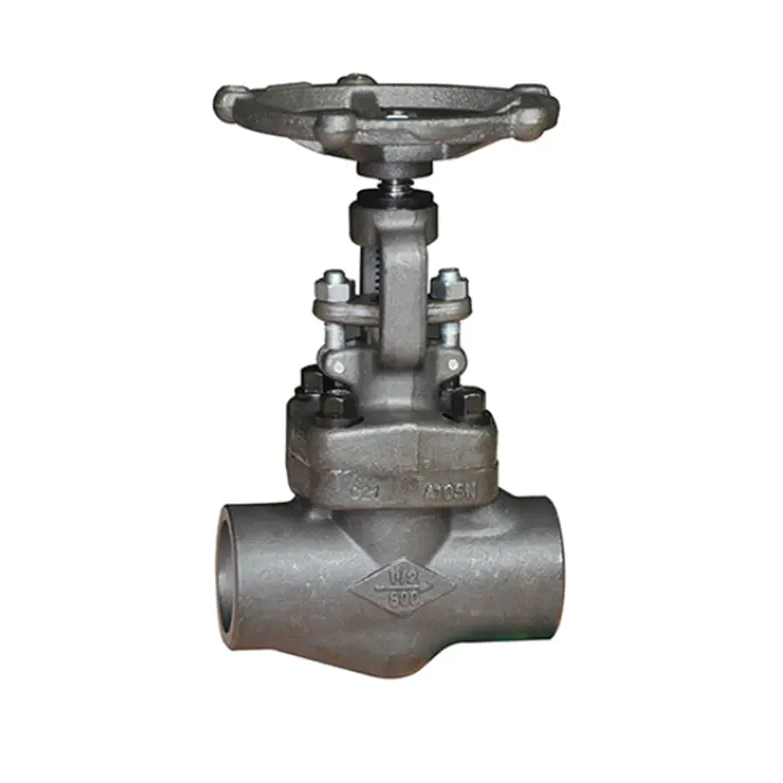
In this type of environment, the low temperature steel globe valve has gradually become a common part of system design. It is used where flow needs to stay under control even when everything around it is affected by cold conditions.
The attention it receives is not based on a single function. It comes from how it behaves in real operating environments where stability matters more than anything else.
Cryogenic systems are usually built around very low temperature conditions. In these environments, fluid behavior does not remain constant. It shifts depending on external changes and internal pressure variations.
Flow control becomes less about simple opening and closing. It becomes about keeping the system steady while conditions keep changing.
Low temperature environments can affect movement inside pipelines. Materials may tighten slightly. Response time may feel slower. These small changes can accumulate and influence the overall system balance.
That is why stable control components are needed. The valve is not just a connector in this case. It becomes part of the system's stability structure.
The appearance of a globe valve does not change much across applications. The difference becomes visible in how it performs when conditions drop.
Low temperature steel is selected because it reacts more calmly under extreme cooling. Instead of becoming rigid, it keeps a level of structural balance that supports continuous operation.
Inside the valve, movement is designed to remain steady. Even when the surrounding environment becomes less forgiving, the internal parts are expected to respond without sudden interruption.
Another important detail is sealing behavior. In cryogenic conditions, surfaces can contract. When that happens, maintaining contact becomes more difficult. The valve structure is shaped to reduce gaps that may appear during this process.
Systems working under cold temperatures don't rely on quick open-shut switches. They need slow, gentle adjustments to regulate fluid flow properly.
Globe valves are built for this kind of fine tuning. They adjust flow bit by bit, instead of fully opening or closing all at once. This makes the whole system far easier to stabilize when cold conditions keep shifting.
When put to real work on site, this gradual regulation avoids uneven pressure surges. Workers have enough time to tweak the system without facing sharp, unexpected pressure changes.
The valve never forces sudden shifts in flow volume. It changes output smoothly and steadily, which is exactly why it works well for cryogenic low-temperature applications.
Sealing is one of the most sensitive parts of any cryogenic system. When temperature drops, materials behave differently. Small gaps may form where contact was once stable.
In low temperature steel globe valves, sealing surfaces are designed to stay consistent even when materials shift slightly.
This is not only about preventing leakage. It also affects how pressure moves through the system. If sealing becomes unstable, the entire flow path can be influenced.
Stable sealing helps maintain predictable system behavior. It reduces the need for repeated adjustment and supports smoother long-term operation.
Materials are not static under extreme cold. They react in subtle ways that become more noticeable over time.
Steel used in low temperature applications is selected to reduce sudden changes in structure. It does not rely on flexibility alone. It relies on controlled stability.
When temperature drops, expansion and contraction still occur. The difference is how smoothly the material handles that change.
Inside the valve, this balance is important. Parts must still move, but they must also stay aligned. If alignment shifts too much, performance becomes unstable.
Cryogenic equipment usually runs around the clock. All its parts have to handle constant swings in pressure and temperature over countless cycles.
Globe valves hold steady through all that wear. Their movement stays uniform no matter how much stress the system puts on them, so operators always know how they'll act.
The valve body spreads internal pressure evenly across its structure. No single section takes all the force, which stops one spot from wearing out faster than the rest. Parts age at a balanced rate this way.
With less uneven wear across the valve, the whole system runs reliably long term. Unplanned stops and sudden malfunctions become far less common.
Operators often focus on how the valve behaves during routine use. Ease of operation becomes important. A valve that responds smoothly can reduce effort and improve workflow.
Consistency is another factor. The valve should perform the same way each time it is used. This predictability allows operators to make adjustments with confidence.
Maintenance requirements also come into play. Systems that require constant attention can slow down operations. Low temperature steel globe valves are often designed to reduce unnecessary intervention.
There is also a focus on adaptability. Systems may operate under different conditions at different times. Valves that can handle these changes without adjustment are often preferred.
Practical Observations from Field Use
These observations reflect real-world use rather than theoretical expectations.
Cryogenic systems rarely stay in one condition. Temperature changes may occur during operation. Pressure levels may shift depending on system activity.
The valve must remain stable through these variations. It cannot rely on a single fixed condition.
Instead, it must adapt without losing balance. That adaptation is not active adjustment. It is structural response.
This is where design decisions become important. Every small detail contributes to how the valve reacts under changing conditions.
Even small structural choices can influence performance in low temperature environments.
Each of these elements works quietly in the background. They are not always visible during operation, but they influence every movement inside the system.
Cryogenic systems today are becoming more integrated. Multiple components work together in a single controlled environment.
The globe valve sits in a position where it manages flow direction and adjustment. It does not operate alone. It works as part of a connected system.
Its role is to maintain order in flow behavior. When different parts of the system interact, the valve helps keep movement stable.
This interaction-based function is becoming more important as systems grow in complexity.
The growing use of cryogenic environments has increased attention on flow control components. As systems expand, the need for stable and predictable operation becomes stronger.
The low temperature steel globe valve fits into this demand because it handles environmental pressure changes in a controlled way.
Its value is not in dramatic performance. It is in steady behavior over time. That steady behavior is what keeps cryogenic systems functioning without interruption.
The variety of models, to meet the development needs of various regions in the world.
Copyright © ZHEJIANG ROCK VALVE CO., LTD.

Cast Steel Valves Stock Wholesaler