

 English
 русский
 عربى
عربى Español
Industry News
Home / News / Industry News / What Are Valve Manufacturing Services and How They Support Modern Industries
Valve production backs all kinds of industrial equipment, yet these parts seldom catch people's eye. All valve pieces are built to manage liquid and gas flow within different machines. The finished valve looks simple enough, but every manufacturing step follows a neat, well-organized routine.
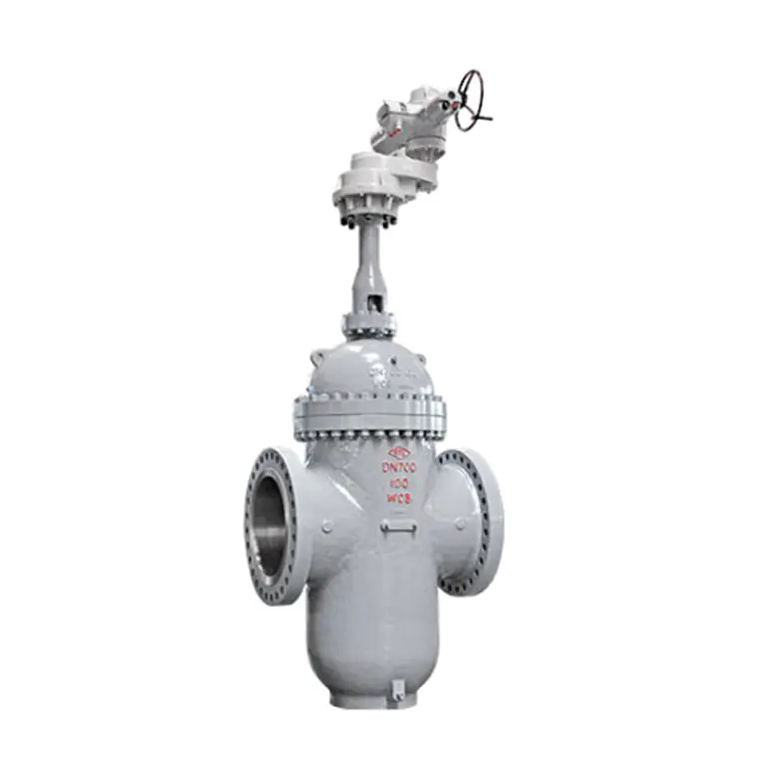
Making valves involves much more than just putting together final products. It covers initial design planning, part molding, assembly, quality inspections, and packing before delivery to job sites. Every production phase connects seamlessly, forming a full, smooth workflow.
This manufacturing work matters not only for the valves it produces, but for keeping industrial fluid and gas systems running reliably. Countless industries count on this consistent performance, without paying much mind to how these valves are actually made.
Valve manufacturing services can be understood as a series of coordinated steps used to create devices that manage flow inside a system. These devices may open, close, or adjust movement depending on the need of the environment.
The service begins long before the final product appears. It includes planning how the valve will behave, what conditions it will face, and how it will be used once installed.
Instead of focusing only on production output, the process is shaped around function. Each stage is designed to support how the valve will operate in real conditions.
A simple breakdown often looks like this:
Each step is connected. One stage supports the next without interruption, forming a continuous workflow rather than separate actions.
Modern industrial systems often rely on controlled flow inside pipelines, machines, or processing lines. Without control, movement becomes unpredictable, and systems may lose balance.
Valve manufacturing services help create this control point. They allow movement to be adjusted in a stable and repeatable way.
Different environments use valves for different reasons. Some systems need constant regulation. Others only require simple on and off control. Manufacturing services adjust production methods to meet these variations.
Another important factor is consistency. Industrial systems often run for long periods, and small changes in performance can affect the whole structure. Stable manufacturing helps reduce these changes.
The role of these services is not limited to one field. They appear wherever controlled movement is part of daily operation.
The beginning of the workflow is mostly about preparation. Before any visible product exists, the system is arranged to support smooth production.
Materials are selected based on expected use conditions. The choice is not random. It is linked to how the valve will behave later in real environments.
Production space is also organized at this stage. Work areas are separated so that each step has its own place. This helps keep movement clear and reduces overlap between stages.
Equipment is checked and positioned before production begins. This helps maintain a steady flow once the process starts.
A simple overview of early preparation:
| Stage | Purpose |
|---|---|
| Material selection | Match expected use |
| Workspace setup | Keep process organized |
| Equipment preparation | Support stable flow |
| Production planning | Guide movement between stages |
This stage does not create a finished product, but it sets the structure for everything that follows.
Raw materials get formed into individual valve pieces at the shaping stage, and none of these separate parts get joined together yet.
We process every component on its own dedicated line. Keeping parts apart makes it much easier to control each piece's size and functional standards.
Stable, uniform output is our top priority here. We churn out matching parts in consistent runs so they slot together smoothly once we reach assembly.
Right after forming, we let the parts sit for a little while. This short waiting time cuts down minor warping that can happen when moving newly shaped pieces.
We carefully manage the transfer of parts to subsequent workstations. Small, steady loads move through instead of big, sudden bulk shipments.
This forming process runs on a constant loop, sending a regular supply of separate valve components further down the production line.
Assembly brings all loose valve pieces together to build a fully functional unit, and this step changes the whole production workflow entirely.
Workers fit each component into its matching spot with careful handling. Small misalignments here will throw off how the valve works once finished.
We split assembly work across several simple workstations. One station lines parts up, another locks them into their final fitted position. Breaking the work into small steps keeps daily operations simple to track.
While putting valves together, staff also test how connected parts slide against one another. Quick movement checks catch any sticking or rough contact early on.
The line moves at a calm, steady pace with no rushed handling. Every valve flows through as part of a continuous run, not as isolated single units.
Once assembly wraps up, the valve holds all its structural pieces in place, yet it still needs full performance testing before it's cleared for use.
Quality checks are not limited to one point in the process. They appear throughout different stages, from early shaping to final assembly.
These checks focus on how parts fit, how they move, and how stable they remain under handling conditions.
Instead of relying on a single inspection, multiple small checks are used across the workflow. This helps reduce the chance of missing variation.
A simple view of focus areas:
| Focus area | What is checked |
|---|---|
| Shape | Structural consistency |
| Fit | Connection between parts |
| Movement | Functional response |
| Surface | Condition and smoothness |
When differences are found, adjustments can be made earlier in the process. This helps keep the workflow stable.
The idea is not to find perfection in one step, but to maintain balance across all steps.
Different industries use valves in different ways. Some systems require steady flow control, while others need frequent adjustment.
Valve manufacturing services respond to this by adjusting production behavior within the same workflow. Instead of changing everything, small modifications are made where needed.
These changes may appear in shaping, assembly alignment, or surface handling. Each adjustment is controlled so that the overall structure remains stable.
Flexibility is built into the process. This allows different usage needs to be supported without disrupting production flow.
Environmental differences are also considered. Some valves operate in stable conditions, while others face changing surroundings.
Manufacturing services take these differences into account during planning and execution.
After assembly, valves move into a stage focused on refinement. This is where small adjustments are made to improve movement and interaction.
Surface condition plays a role in how parts behave together. Smooth interaction helps reduce resistance during operation.
This stage is not about changing structure. It is about improving how existing parts work together.
Handling is limited during this phase. Products are placed in controlled trays or supports to avoid unnecessary contact.
Once refinement is complete, valves move toward final preparation and packaging.
Packaging comes as the last step for making valves. All processing work finishes here, and we start focusing on safeguarding the goods and proper storage.
Staff sort valves neatly and cover them with protective wrapping. This stops damage when the items get moved around.
Every packaging task runs at an even pace. Valves go through each step one after another, without any sudden shifts in handling methods.
Once fully packed, valves are either put into stock or made ready for shipping. Extra touching is kept to a minimum to keep each valve intact.
The whole manufacturing process finishes in an orderly fashion. All finished valves leave the production area fully prepared to be fitted into different equipment.
The variety of models, to meet the development needs of various regions in the world.
Copyright © ZHEJIANG ROCK VALVE CO., LTD.

Cast Steel Valves Stock Wholesaler