

 English
 русский
 عربى
عربى Español
Industry News
Home / News / Industry News / Could Large Size Cast Steel Gate Valve Support Long-Term Pipeline Operations
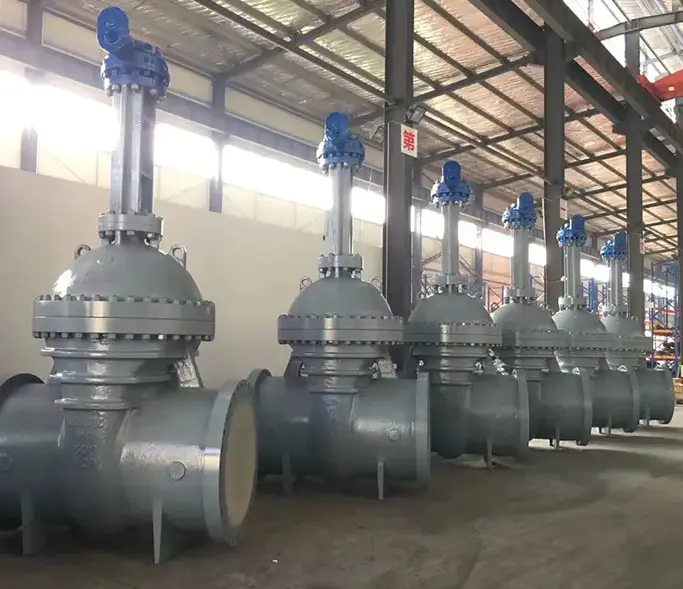
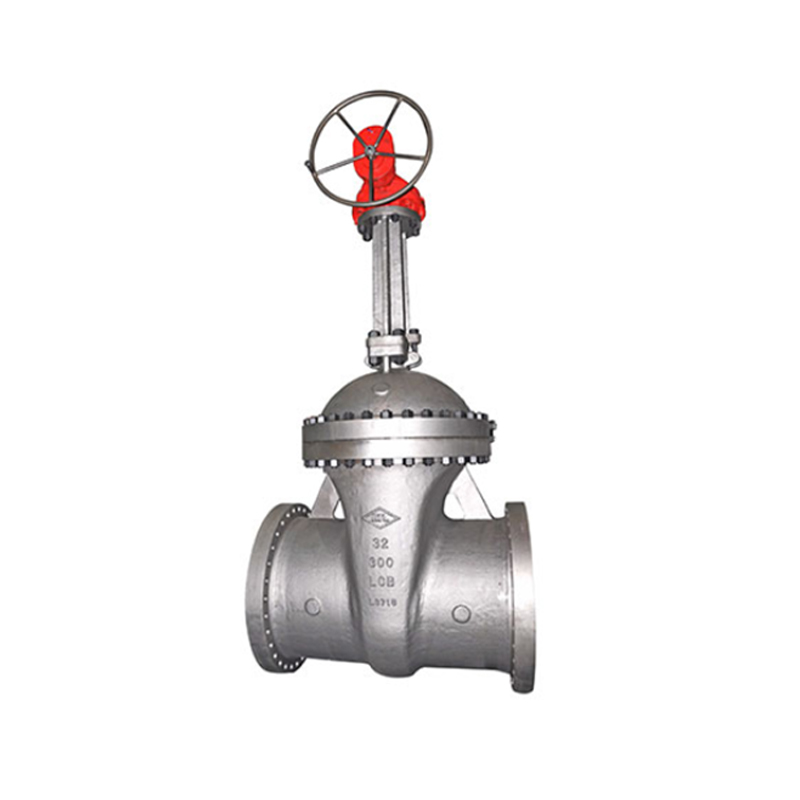
Across many industrial settings, pipelines stretch over long distances and operate under changing conditions. Within these systems, valves play a quiet yet central role. Among them, large size cast steel gate valve often draw attention when long-term reliability becomes a concern. Their presence is not always visible in daily operations, yet their performance shapes how smoothly a pipeline can function over time.
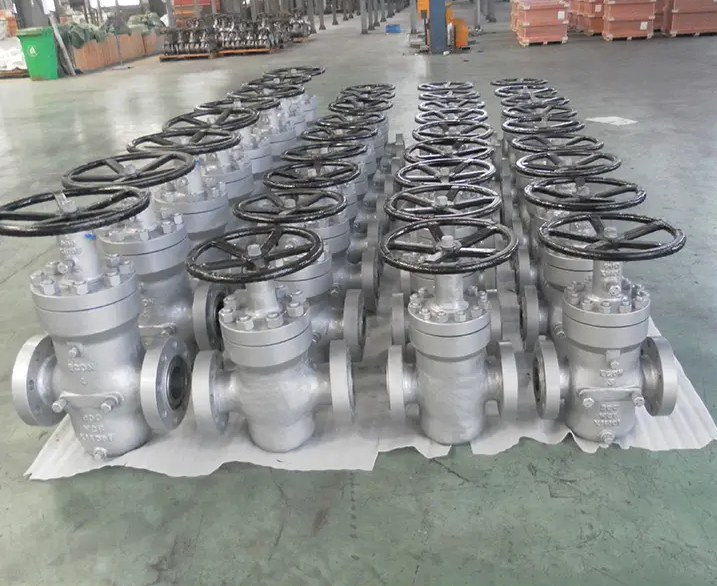
Pipelines are expected to work continuously. Interruptions can affect production schedules, safety planning, and maintenance cycles. Because of this, operators tend to prioritize components that can withstand long service periods without frequent intervention.
Large gate valves are often installed at key points where flow needs to be controlled or isolated. Their durability matters because:
Durability, in this context, is not only about material strength. It also includes how well a valve maintains sealing ability and mechanical integrity after repeated use.
Cast steel shows up constantly in valve manufacturing because it strikes a genuinely useful balance between strength and adaptability. It can be shaped into genuinely large components while still holding onto structural stability — which matters a lot once valves start scaling up in size.
A few reasons it keeps getting chosen:
That said, material choice alone was never the full story. The casting process, finishing quality, and assembly precision all feed directly into how a valve actually behaves once it's out in the field.
Gate valves work by raising or lowering a barrier inside the pipeline to control flow. Fully open, they let fluid pass through with almost no obstruction. Closed, they form a seal that shuts movement down completely.
Across long pipelines, that basic function supports:
Given their size, these valves aren't typically cycled often. Instead, they're counted on to perform reliably in the rare moments they're actually called into action — and that pattern of use places some genuinely unique demands on their internal components.
Sealing performance comes up constantly in any real discussion of valve reliability, and for good reason. A valve that can't seal properly opens the door to leakage, pressure loss, and safety concerns nobody wants to deal with.
For large cast steel gate valves, sealing performance really hinges on a handful of factors:
| Factor | Influence on Long-Term Use |
|---|---|
| Surface condition | Affects contact between sealing elements |
| Alignment | Ensures even pressure distribution |
| Wear resistance | Reduces degradation over repeated cycles |
| Maintenance practices | Helps detect early signs of wear |
Even small shifts in surface condition or alignment tend to chip away at sealing performance over time. Regular inspection paired with timely servicing usually plays a big role in stretching out how long a valve stays genuinely usable.
These valves are built with durability in mind, but long-term operation still throws up its own set of challenges — ones that rarely show up overnight and instead build gradually in the background.
Common concerns tend to include:
All of this really underscores why monitoring matters. A valve sitting unused for a long stretch often needs a careful check before it's asked to operate again.
Large valves differ from their smaller counterparts in a handful of meaningful ways. Weight, structure, and installation requirements all shape how they perform once they're actually in service.
A few things worth keeping in mind:
Handling and installation. Larger valves demand careful positioning. Get the installation wrong, and alignment and operation both take the hit.
Operational force. Opening or closing a large valve often takes more effort, sometimes with mechanical assistance built in to help.
Inspection access. Sheer size can make certain areas genuinely harder to inspect without solid planning ahead of time.
Response time. Larger components tend to respond more slowly during operation, which feeds directly into how the broader system gets controlled.
None of this necessarily caps performance outright, but it absolutely shapes how operators need to approach long-term use.
Maintenance strategies for pipeline components keep evolving. Rather than leaning solely on scheduled checks, a lot of operators have shifted toward condition-based approaches instead.
For large gate valves, that tends to look like:
The whole point is catching issues before they turn into something significant. In long-term operations, catching problems early tends to cut down considerably on the need for major interventions later.
Manufacturing quality feeds directly into how a valve performs across its entire service life. Even with identical materials, differences in production method can lead to wildly different real-world outcomes.
Areas that genuinely shape quality include:
A valve that starts its service life with a consistent internal structure and proper alignment stands a much better chance of holding steady performance for years afterward.
The real question always circles back to reliability across extended periods. Large size cast steel gate valves are built with durability squarely in mind, but whether they actually support long-term operation comes down to a genuine combination of factors working together.
Those include:
When all of those pieces get managed carefully, these valves genuinely can stay functional over long stretches. Their role in the pipeline stays steady even during long periods without direct operation.
That said, no single component ever determines a pipeline's overall performance on its own. Valves work as part of a much larger system, with every element contributing to the final result.
Industry conversations around pipeline components have been shifting gradually. Instead of fixating purely on initial specifications, more attention is going toward lifecycle considerations across the board.
That includes:
Large cast steel gate valves remain firmly part of that conversation. Their traditional design is now being weighed alongside newer expectations around reliability and operational continuity that didn't carry the same weight a decade or two ago.
When thinking through long-term pipeline operations, operators rarely lean on a single factor. They're weighing how different elements interact with each other over time.
For large gate valves, practical considerations tend to include:
None of this eliminates every risk outright, but together it builds a genuinely more predictable operating environment to work within.
In pipeline systems where continuity is everything, components are expected to perform without demanding constant attention. Large size cast steel gate valves sit right at the intersection of strength, structure, and function. Their long-term role ultimately depends not just on design, but on how well they're integrated and maintained within the broader system they're a part of.
The variety of models, to meet the development needs of various regions in the world.
Copyright © ZHEJIANG ROCK VALVE CO., LTD.

Cast Steel Valves Stock Wholesaler