


 English
 русский
 عربى
عربى Español
Industry News
How Does Design Affect Forged Steel Globe Valve Performance?
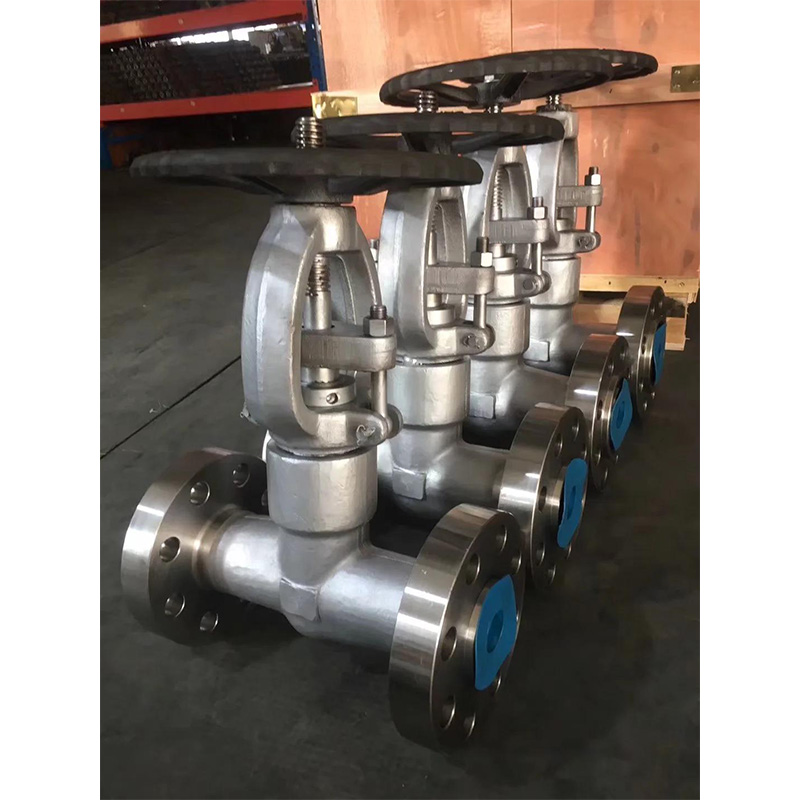
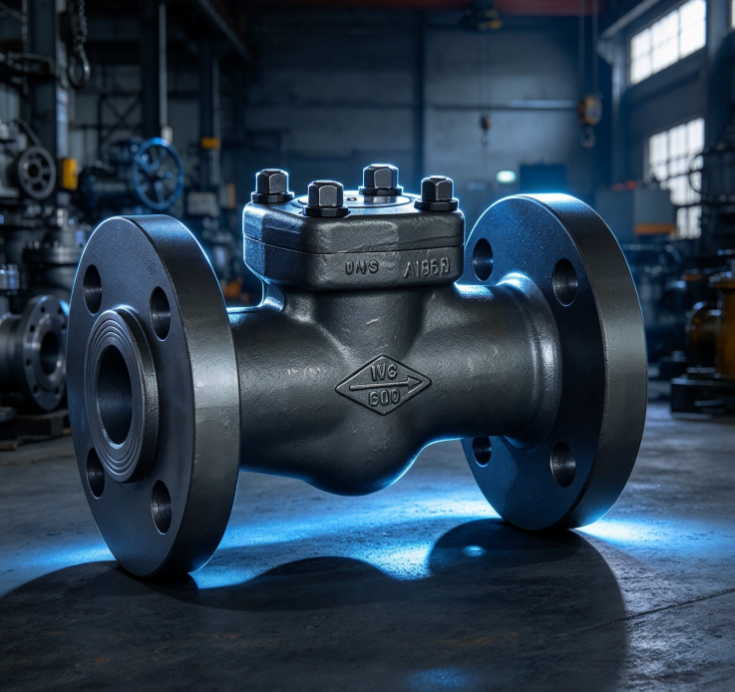
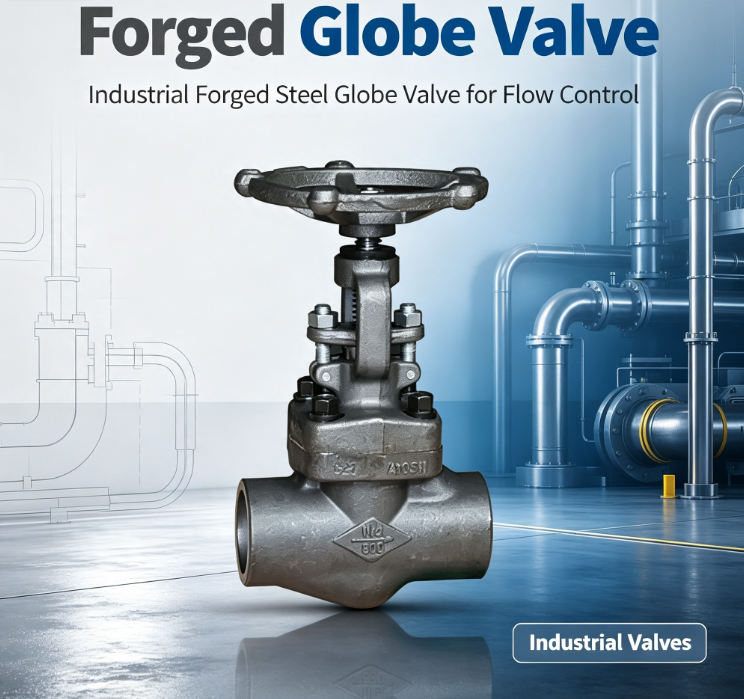
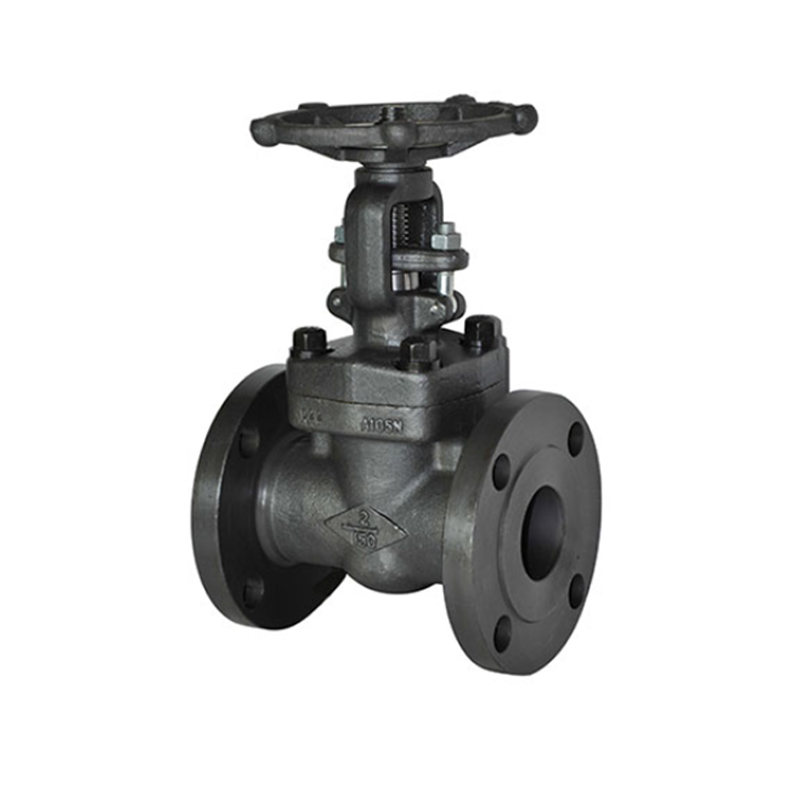
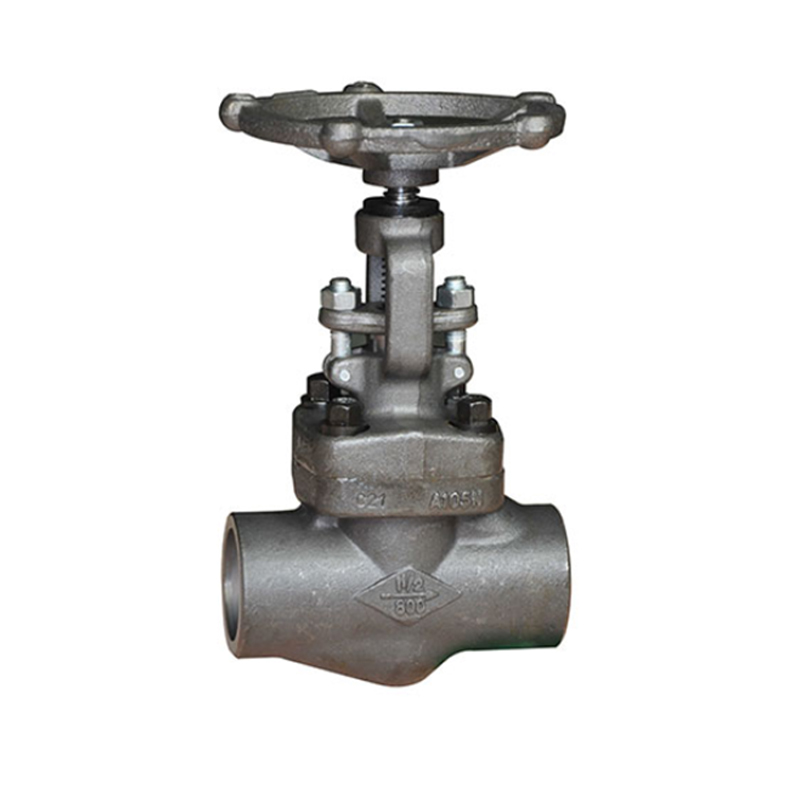
The Forged Steel Globe Valve plays a key role in industrial pipeline systems where flow regulation and shut-off are required. Its structure is designed to provide stable sealing and controlled movement of the medium. Compared with other valve types, this design allows better adjustment of flow rates, making it suitable for applications where precise control is necessary.
In many industries, such as oil, gas, and power generation, maintaining consistent flow conditions is essential. The Forged Steel Globe Valve supports this by offering a reliable mechanism for opening, closing, and throttling.
Common Challenges in Valve Selection
When selecting valves for industrial use, several issues often arise:
- Difficulty maintaining sealing performance over time
- Inconsistent operation due to design limitations
- Material mismatch with working media
- Limited durability under high-pressure conditions
The Forged Steel Globe Valve addresses these concerns through its structural design and material strength. Forging improves the internal grain structure of the steel, which enhances mechanical properties and resistance to pressure.
Structural Features and Working Principle
A Forged Steel Globe Valve operates through a linear motion mechanism. The valve disc moves up and down to control the flow path. This differs from rotary valves, such as ball valves, which rely on rotational movement.
One of the defining features is the linear contact between the valve disc and the seat sealing surface. This contact pattern supports stable sealing when the valve is in the closed position. At the same time, the valve stem has a relatively short stroke, which makes operation more manageable.
This combination of sealing structure and movement design allows the Forged Steel Globe Valve to handle both shut-off and flow regulation tasks effectively.
Material Selection and Its Importance
Material choice directly affects valve performance. Forged steel is commonly used due to its strength and resistance to deformation under pressure.
Typical materials include:
- Carbon steel for general industrial use
- Alloy steel for high-temperature environments
- Stainless steel for corrosion resistance
A Forged Steel Globe Valve Factory usually controls the entire material process, from sourcing to machining. This helps maintain consistency in mechanical properties and dimensional accuracy.
Material traceability is also an important factor, as it allows verification of compliance with project specifications.
How to Evaluate a Forged Steel Globe Valve Factory
Selecting a suitable Forged Steel Globe Valve Factory involves reviewing several aspects:
Production Equipment
Advanced machining centers and forging equipment support consistent product quality.
Quality Control
Inspection processes should include material verification, dimensional checks, and pressure testing.
Technical Support
Factories that provide drawings, specifications, and customization options can better support project requirements.
Delivery Capability
Organized production planning helps maintain stable delivery timelines.
Maintenance and Service Life
Regular maintenance helps maintain valve performance over time. Inspection should focus on sealing surfaces, stem condition, and operational torque.
In systems with frequent use, lubrication and periodic adjustment may be required. Early detection of wear helps avoid unexpected downtime.
Replacing components such as sealing elements can extend the service life of the valve without requiring full replacement.
The Forged Steel Globe Valve combines structural strength with precise flow control capability. Its linear sealing design and forged construction make it suitable for demanding industrial applications.
Working with a reliable Forged Steel Globe Valve Factory provides access to consistent manufacturing, controlled material quality, and technical support. This alignment between design and production helps maintain stable performance in pipeline systems.
Recommended Products
The variety of models, to meet the development needs of various regions in the world.
Copyright © ZHEJIANG ROCK VALVE CO., LTD.

Cast Steel Valves Stock Wholesaler