


 English
 русский
 عربى
عربى Español
Industry News
How Does a Sour Service Gate Valve Resist Sulfur Damage?
Pipeline Conditions Shape Valve Requirements
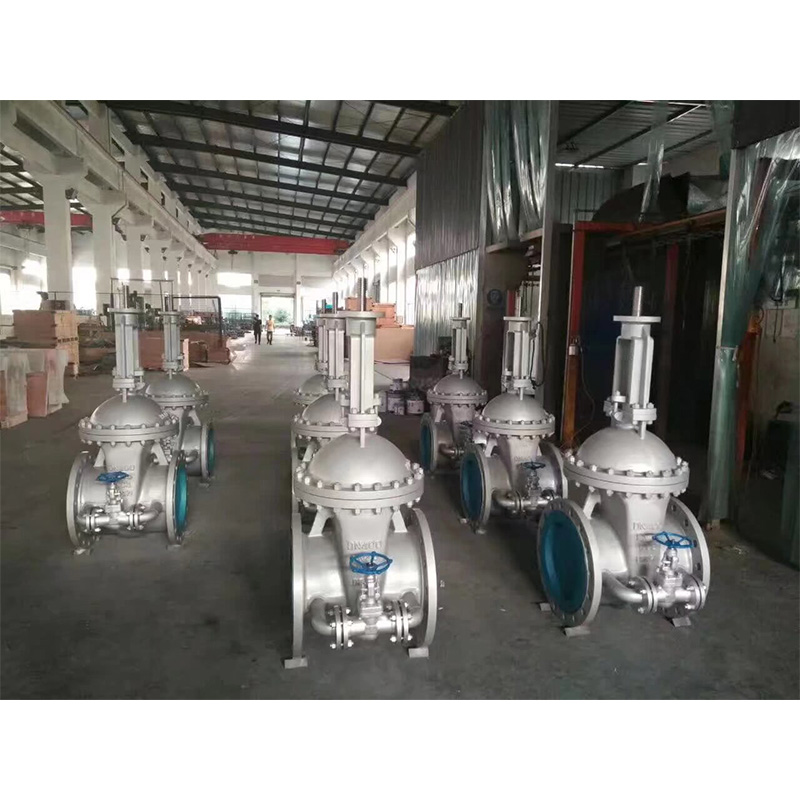
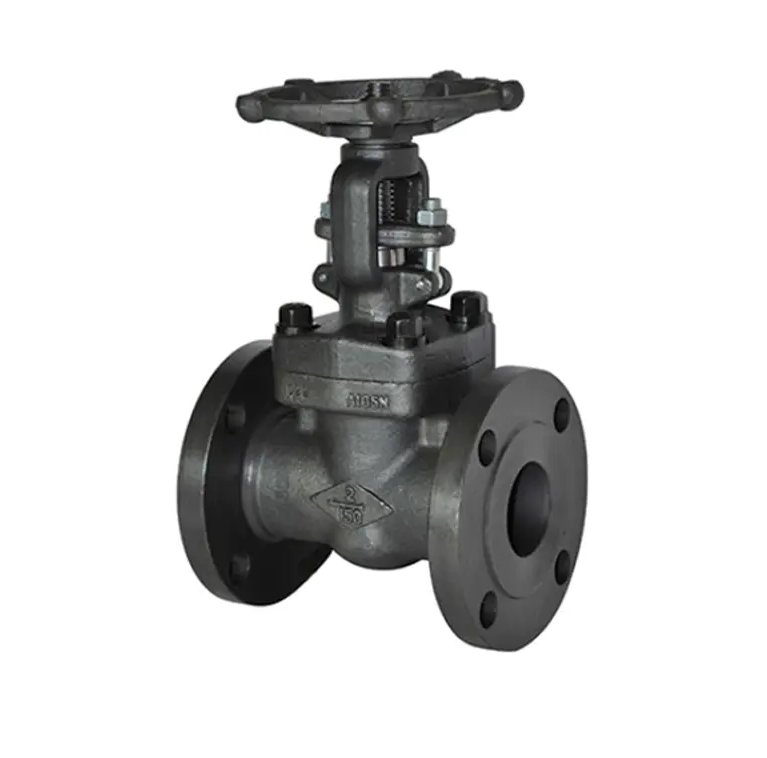
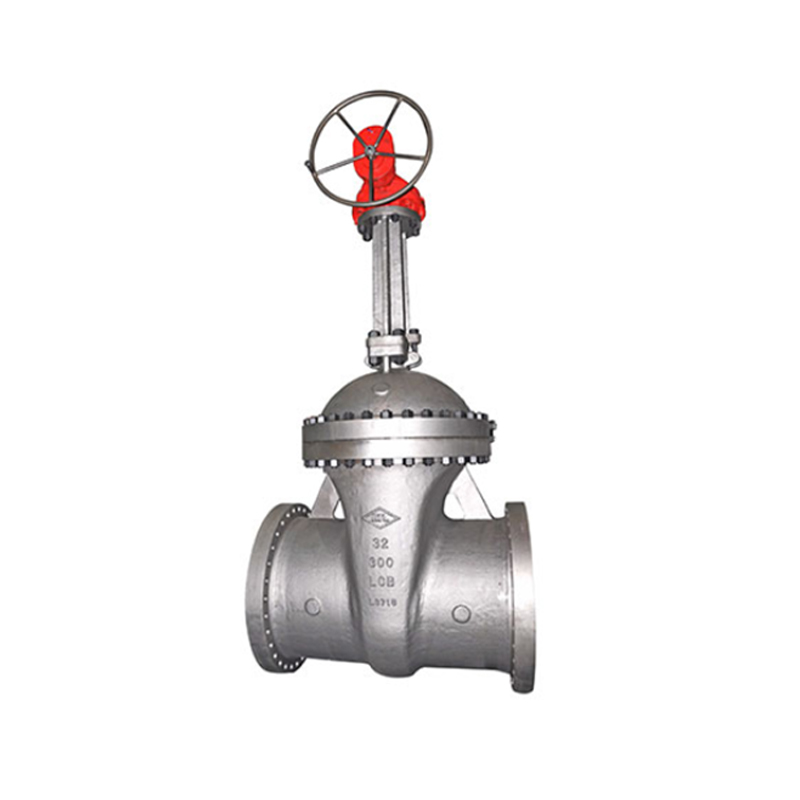
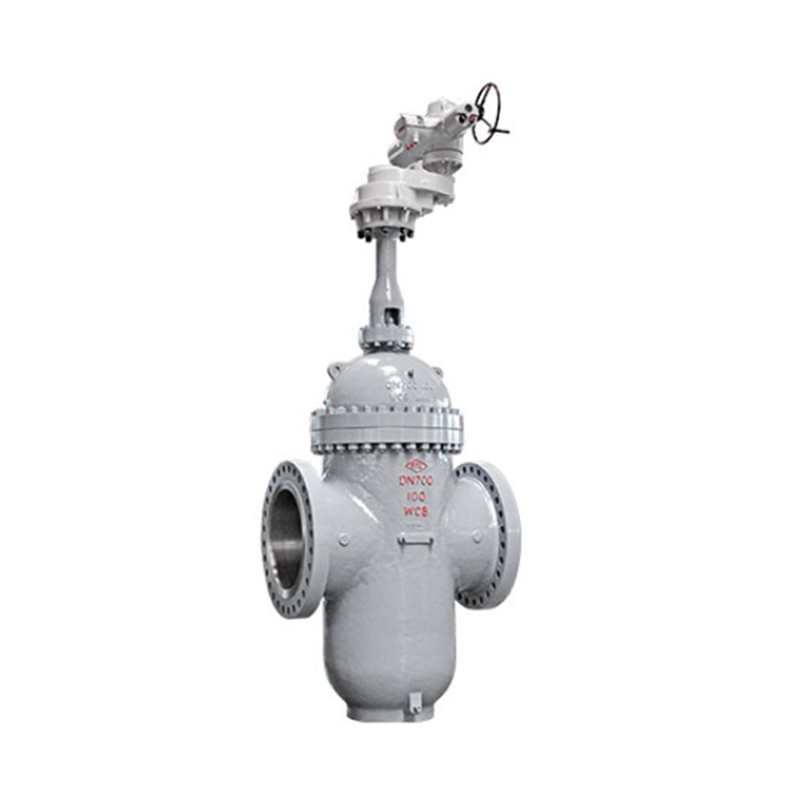
Sour environments introduce a different level of complexity to pipeline systems. Media containing hydrogen sulfide affects both metal structure and sealing performance over time. In such conditions, the Sour Service Gate Valve becomes a key component for isolating flow and maintaining operational continuity.
Unlike valves used in general pipelines, this type is developed with attention to corrosion resistance, structural strength, and long-term sealing behavior. It is commonly installed in upstream and midstream systems where fluid composition is more aggressive.
Why Gate Valves Are Used for Isolation
A gate valve functions through a vertical movement mechanism. The gate travels along the stem in a straight line and blocks or opens the flow path. This design allows full-bore flow when open, which means there is little resistance to the medium.
The Sour Service Gate Valve is primarily used for complete shut-off rather than flow adjustment. In long pipelines, this helps isolate sections for inspection or repair without affecting the entire system.
Compared with other valve types, this structure offers:
- Straight flow path when open
- No limitation on flow direction
- Clear open or closed operation
At the same time, the internal structure is more complex, and the operation requires more time due to the longer stroke.
What Makes Sour Service Different
Handling sour media is not just about selecting stronger materials. It involves understanding how corrosion interacts with pressure, temperature, and mechanical stress.
Key concerns include:
- Sulfide stress cracking in metal components
- Surface degradation affecting the sealing contact
- Increased wear during repeated operation
The Sour Service Gate Valve is developed to address these issues by combining material control with precise machining of sealing surfaces.
Material Strategy in Harsh Conditions
Material selection defines how well a valve performs in corrosive environments. Standard carbon steel may not be sufficient without treatment. Alloy steels and stainless steels are often introduced depending on the application.
A Sour Service Gate Valve Factory typically manages:
- Raw material verification
- Heat treatment processes
- Chemical composition control
This approach helps maintain consistency across production and supports stable performance in challenging conditions.
Maintenance Approach in Sour Environments
Maintenance in sour service conditions requires attention to both internal and external components. Regular inspection helps detect early signs of wear or corrosion.
Key points include:
- Monitoring sealing surface condition
- Checking stem movement for smooth operation
- Inspecting external coatings for degradation
Because the opening and closing cycle is longer, proper operation techniques help reduce unnecessary stress on internal parts.
Production Integration and Its Value
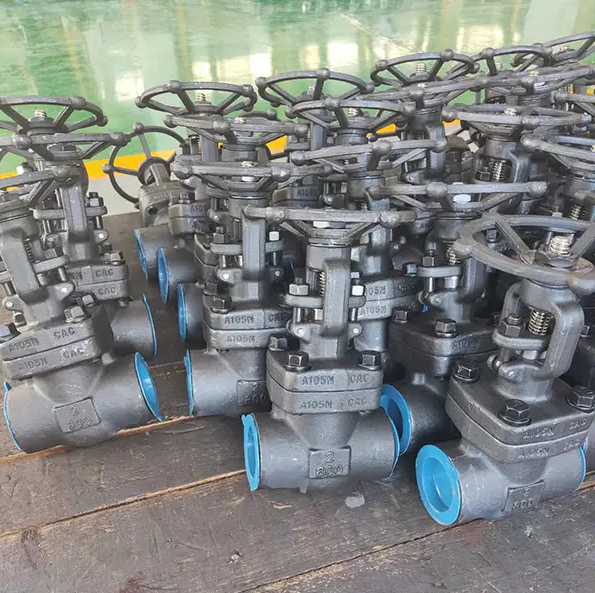
A Sour Service Gate Valve Factory that integrates material processing, machining, and testing can maintain better control over product consistency. This reduces variation between batches and supports stable performance in field applications.
Integrated production also allows quicker response to specification changes, which is useful in projects with varying technical requirements.
The Sour Service Gate Valve is designed for environments where corrosion and pressure interact continuously. Its full-open and full-close functionality makes it suitable for pipeline isolation, while material selection and manufacturing quality determine how it performs over time.
Choosing a capable Sour Service Gate Valve Factory supports consistent production, reliable documentation, and stable valve operation across different applications.
Recommended Products
The variety of models, to meet the development needs of various regions in the world.
Copyright © ZHEJIANG ROCK VALVE CO., LTD.

Cast Steel Valves Stock Wholesaler