

 English
 русский
 عربى
عربى Español
Industry News
Home / News / Industry News / Custom Cast Steel Valves vs Standard Valves: What's the Real Difference
For a long time, standard valves were the default option in many systems. They were easy to source. They followed familiar patterns. For routine use, they often worked without much adjustment.
That situation has started to shift. Projects now come with more specific demands. Layouts are not always predictable. Operating conditions vary from one site to another. What used to be "good enough" sometimes feels slightly off.
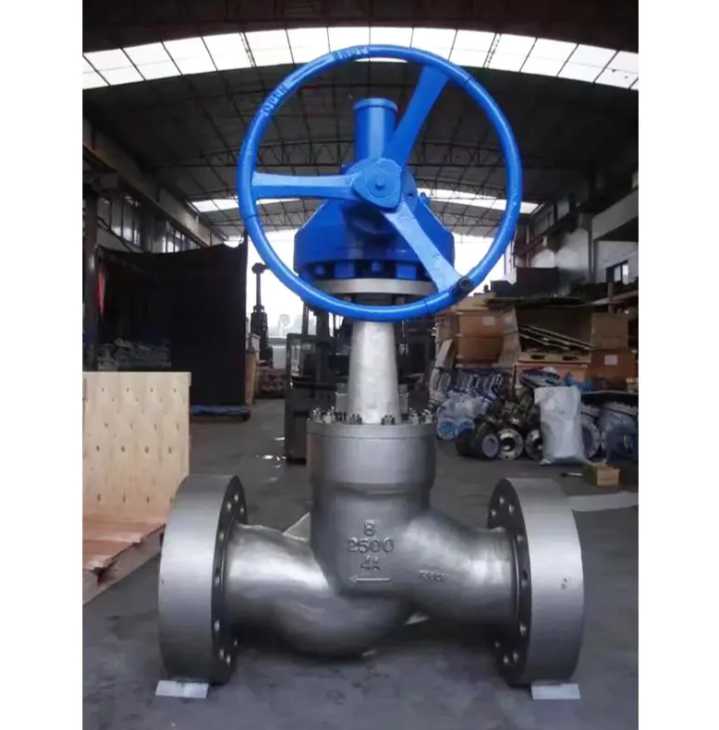
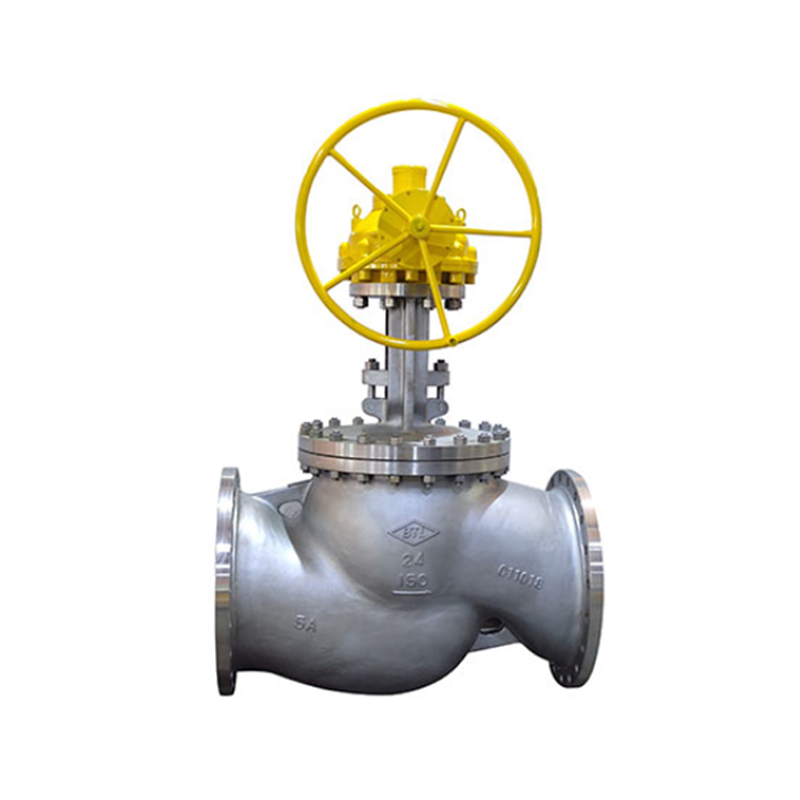
This is where the idea of Custom Cast Steel Valves enters the conversation. Instead of adapting the system to fit the valve, the valve is shaped around the system. The change sounds subtle, yet it affects how decisions are made early in a project.
Buyers are not always looking for something complex. In many cases, they are simply trying to avoid small mismatches that can grow over time. A connection that does not align well. A control response that feels slightly delayed. These details are easy to overlook at the beginning.
The question is no longer about availability alone. It is about how closely a valve matches the actual use.
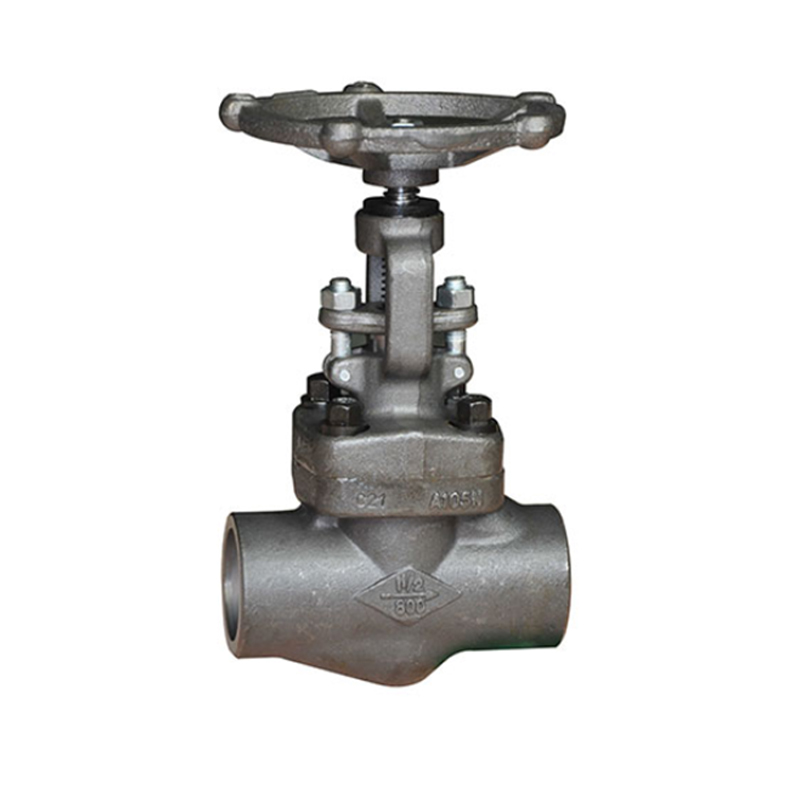
A standard valve follows a general design that can fit a wide range of situations. It is built with common configurations in mind. The goal is to serve many users with one structure.
Because of this, standard valves are often ready for immediate use. There is little need for adjustment before installation. This makes them convenient when time is limited.
Their design assumes average conditions. The layout, connection points, and operation style are set in advance. This works well when the system does not have unusual requirements.
In practice, standard valves offer predictability. Engineers and operators are familiar with them. Replacement is also straightforward, since similar models are widely available.
At the same time, this general approach means they are not tailored to any single situation. They aim to fit many environments, not one specific setup.
A custom valve begins with a different starting point. Instead of choosing from existing designs, the process looks at the system itself.
The layout, flow direction, and space available all influence the final form. Small details are considered early. How the valve will be accessed. How it will be maintained. How it will interact with nearby components.
This approach does not always lead to a complex design. In many cases, the changes are subtle. A different connection angle. A modified internal path. A variation in how the valve opens or closes.
The goal is not to create something unusual for its own sake. It is to reduce the need for adjustments later.
Custom valves often involve more discussion during the planning stage. Once the design is set, the valve reflects those decisions in a direct way.
At a glance, two valves may look similar. The differences tend to appear during installation and operation.
With a standard valve, some level of adaptation is often expected. Pipes may need slight repositioning. Additional fittings may be used to make everything align.
A custom valve usually fits more directly into place. The system does not need to adjust as much. This can make installation feel smoother.
During operation, the difference can be subtle but steady. A valve that matches the system closely tends to respond in a more predictable way. Movement feels consistent. Control feels stable.
Here is a simple comparison of how the two approaches differ in daily use:
| Aspect | Standard Valve | Custom Valve |
|---|---|---|
| Fit during install | May require adjustment | Designed for direct fit |
| Design approach | General-purpose | System-specific |
| Flexibility | Limited to preset options | Adapted to requirements |
| Replacement | Easier to source | May require planning |
These differences are not always dramatic. They show up over time rather than all at once.
It is easy to assume that a custom valve will perform better in every situation. In reality, the outcome depends on how well the design matches the need.
If the system has clear requirements that fall outside common patterns, customization can help. It allows the valve to work in harmony with the rest of the setup.
In more routine conditions, a standard valve may perform just as reliably. The extra effort of customization may not bring noticeable change.
Performance is not only about design. It also depends on installation, operation, and maintenance. A well-installed standard valve can function smoothly for a long time.
Customization becomes valuable when it addresses a specific challenge. Without that challenge, the difference may remain minimal.
Time plays a quiet but important role in valve selection.
Standard valves are often available with little delay. This makes them suitable for projects with tight schedules. When a replacement is needed quickly, they offer a practical solution.
Custom valves require more planning. The design stage takes time. Communication between teams becomes part of the process. Production follows once the design is confirmed.
This does not mean one approach is slower in every case. It depends on how early the decision is made. If customization is considered from the start, it can fit into the project timeline without disruption.
When decisions are made late, time pressure often favors standard options.
The choice is not only about the valve itself. It is about how it fits into the broader schedule.
Cost is often discussed at the beginning of a project. The purchase price is easy to compare. Long-term effects are less visible at that stage.
Standard valves usually involve a lower initial cost. They are produced in larger quantities and follow established designs.
Custom valves may require a higher upfront investment. The design process and smaller production scale can influence this.
Over time, the picture may change. A valve that fits well from the start can reduce the need for adjustments. Maintenance may become more straightforward if the design aligns with the system.
This does not mean one option is always more economical. It depends on how the valve is used and how often it requires attention.
Cost is not a fixed number. It shifts with time, usage, and conditions.
Every choice involves trade-offs, even when they are not immediately visible.
Standard valves offer convenience and familiarity. They are easier to replace and require less planning. This can simplify many aspects of a project.
Custom valves offer alignment with specific needs. They can reduce small mismatches that might otherwise persist.
At the same time, customization introduces complexity during the early stages. More decisions need to be made. More communication is required.
There is also the question of future changes. A standard valve can often be replaced with a similar model. A custom valve may require the same design to be produced again.
These trade-offs are not always obvious at the start. They become clearer as the system evolves.
The decision often comes down to how well the system fits existing solutions.
If the layout and conditions match common patterns, a standard valve can meet the need without added effort. The process stays simple.
If the system includes unique features, customization becomes more relevant. It allows the valve to match those features rather than work around them.
Teams also consider how often the system will be modified. In setups that change frequently, flexibility may be more valuable than precise alignment.
In more stable environments, a tailored solution can support consistent operation.
The decision is rarely made based on one factor alone. It reflects a balance between time, cost, and how closely the valve needs to match the system.
No system stays exactly the same. Adjustments happen. Components are replaced. Conditions shift.
Standard valves can adapt to these changes more easily in some cases. Their general design allows them to fit into different setups with minimal effort.
Custom valves are shaped around a specific configuration. When that configuration changes, the fit may no longer be exact.
This does not mean custom valves lose value. It means their strength lies in stability. When the system remains consistent, they can support that consistency.
When change is expected, flexibility becomes more important.Understanding how a system may evolve helps guide the initial choice.
The variety of models, to meet the development needs of various regions in the world.
Copyright © ZHEJIANG ROCK VALVE CO., LTD.

Cast Steel Valves Stock Wholesaler