


 English
 русский
 عربى
عربى Español
Industry News
What Features Matter When Choosing Oil and Gas Industrial Valves
Oil and gas facilities depend on many connected systems. Liquids and gases move through pipelines, storage areas, processing equipment, and other parts of an industrial site. Each section may have different operating needs.
Industrial valves have an important role in this process. They can help start, stop, redirect, or manage the movement of materials within a system. A valve may appear to be a small component compared with a large processing unit, yet its position in the flow system makes its selection worth careful attention.
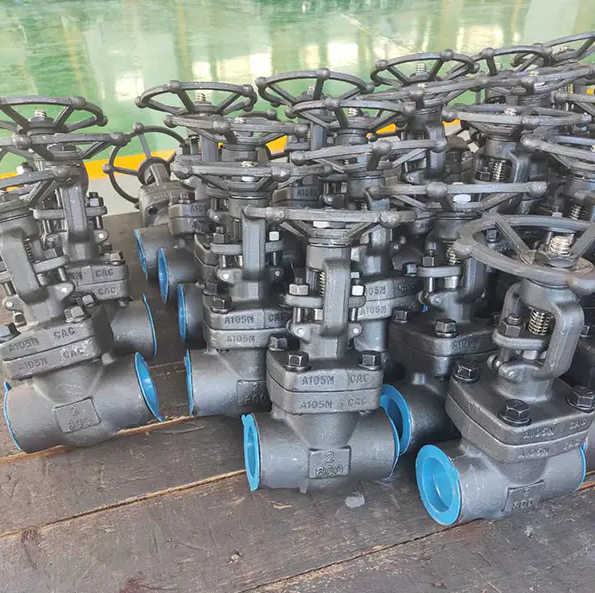
The market for Oil and Gas Industrial Valve covers a wide range of applications. Some valves may be used in production areas. Others may support transportation, storage, processing, or related industrial activities.
Choosing a valve should therefore begin with the application rather than appearance alone. The working environment, handled material, installation location, maintenance needs, and operating method can all affect the decision.
Why Does Valve Selection Matter in Oil and Gas Operations?
Oil and gas facilities often contain interconnected equipment. A change in one part of the system can affect another area.
A suitable valve helps operators manage the flow path according to the needs of the application. It can provide a way to isolate part of a system during inspection or maintenance. It can also support routine operating tasks.
The wrong valve choice may create practical difficulties.
A valve that does not match the working environment may require more attention. A design that is difficult to access can make routine inspection less convenient. A valve that does not fit the intended operating method may also complicate daily work.
For this reason, buyers should look beyond the basic product name.
Important questions include:
- What material will pass through the valve?
- Where will the valve be installed?
- How will it be operated?
- How often will it be used?
- What environmental conditions will it face?
- How easy is it to inspect?
- What maintenance support is available?
These questions can help turn valve selection from a simple purchasing decision into a more practical equipment planning process.
What Working Conditions Should Buyers Consider?
The installation environment can have a direct influence on valve selection.
Oil and gas equipment may be installed indoors, outdoors, underground, or in areas exposed to changing weather conditions. Some locations may contain dust, moisture, or other environmental factors that require additional consideration.
A valve used outdoors may face different conditions from one installed inside a protected facility.
Temperature can also matter. The surrounding environment and the material moving through the system may create different demands on the valve.
Space is another practical issue.
Some industrial facilities have limited room around pipelines and equipment. A valve that requires convenient access should be positioned in a way that allows workers to inspect and operate it safely.
| Buying Consideration | Why It Matters |
|---|---|
| Installation location | Helps identify environmental and access needs |
| Handled material | Supports selection of a suitable valve design |
| Operating method | Influences how the valve can be controlled |
| Maintenance access | Makes inspection and servicing easier to plan |
| Surrounding conditions | Helps account for moisture, dust, heat, or other factors |
| Pipeline arrangement | Affects installation and connection requirements |
| Storage conditions | Helps protect spare valves before installation |
A clear understanding of the work environment can reduce the risk of choosing equipment based only on general assumptions.
Which Valve Materials Should Be Considered?
Material selection is another important part of buying Oil and Gas Industrial Valves.
The valve comes into contact with the material moving through the system. The surrounding environment can also affect its external surfaces.
Different materials can provide different levels of resistance to wear, corrosion, and environmental exposure. The appropriate choice depends on the application.
Buyers should consider the nature of the handled material and the conditions around the installation.
This is particularly important when the system handles materials that may affect certain valve components.
The valve body is not the only part that matters.
Sealing components, internal surfaces, connection areas, and other parts also need to be compatible with the intended service. A valve should be viewed as a complete working product rather than simply a metal body with a control mechanism.
Material selection should therefore be discussed with the manufacturer or qualified technical personnel when the application involves demanding conditions.
Clear product documentation can also help buyers understand where a valve is intended to be used.
How Important Is Valve Operation and Control?
A valve may be operated manually or through an automated system, depending on the application.
Manual operation can be suitable for some locations where workers can safely access the valve. Other systems may require remote or automated control because the valve is installed in a difficult-to-reach area or forms part of a larger operating process.
The choice should reflect how the facility works.
If operators need to make frequent adjustments, the control method becomes particularly relevant. If the valve is mainly used to isolate a section of equipment, a different operating arrangement may be appropriate.
Buyers can ask:
- Who will operate the valve?
- How often will it be operated?
- Can workers reach it safely?
- Does the system require remote control?
- Will the valve be connected to an existing control system?
- Is the operating method easy for maintenance staff to understand?
The goal is not to choose the most complicated control system.
It is to choose an operating method that fits the actual workflow.
A straightforward design can be valuable when workers need to understand and manage equipment quickly.
What Role Does Valve Size and Connection Design Play?
The valve needs to fit into the existing system.
Connection design is therefore an important purchasing consideration. Buyers should check how the valve will connect with the surrounding pipeline and equipment.
The available installation space also matters.
A valve may technically fit a pipeline but still be difficult to install or maintain if there is not enough room around it.
This is why measurements and installation drawings should be reviewed before purchase.
Buyers should also consider future maintenance.
A valve that is easy to access can make inspection more convenient. If surrounding equipment blocks the valve, even a routine task may require additional preparation.
The connection method should match the pipeline arrangement and the requirements of the application.
Because oil and gas systems can vary considerably, buyers should avoid assuming that one valve design will fit every installation.
How Can Durability Influence the Choice of Industrial Valve?
Oil and gas equipment may be expected to remain in service through repeated operating cycles and changing working conditions.
Durability is therefore an important consideration.
However, durability should not be treated as a simple claim on a product page.
The actual application matters.
A valve may perform differently depending on the handled material, installation environment, operating frequency, maintenance routine, and other conditions.
Buyers can look for clear information about:
- Intended applications.
- Material compatibility.
- Construction quality.
- Maintenance requirements.
- Inspection procedures.
- Replacement component availability.
- Operating conditions recommended by the manufacturer.
A product with clear documentation can make equipment planning easier.
It also helps maintenance teams understand how the valve should be used and cared for.
Durability is closely connected with proper application. Even a well-designed valve can experience problems when it is installed or operated outside its intended conditions.
Why Should Maintenance Be Considered Before Purchase?
Maintenance is often discussed after equipment has already been installed.
For industrial valves, it makes sense to consider it before buying.
Oil and gas facilities can contain many valves spread across different areas. Maintenance workers may need to inspect, clean, adjust, or replace components during the equipment's service life.
A valve that is difficult to access can make these tasks less convenient.
Buyers should therefore ask what routine maintenance involves.
They can also check whether replacement components are available and whether service instructions are clear.
A practical maintenance plan may include:
- Regular visual inspection.
- Checking for visible leakage.
- Reviewing connection areas.
- Inspecting accessible components.
- Cleaning where appropriate.
- Checking operating condition.
- Replacing worn components according to service guidance.
The exact procedure should follow the manufacturer's instructions and the requirements of the facility.
Maintenance is not only about repairing problems.
It also provides an opportunity to identify changes before they become more disruptive to normal operations.
What Safety Features Should Buyers Look For?
Safety is an important consideration in oil and gas applications.
The specific safety requirements depend on the installation and local regulations. Buyers should make sure the valve is suitable for the intended service and meets applicable requirements.
Valve access is one practical consideration.
Workers should be able to operate or inspect the valve without unnecessary difficulty. Clear identification can also help personnel understand what each valve controls.
Locking or isolation arrangements may be relevant in some applications.
These features can support controlled maintenance activities by helping operators keep a section of a system isolated when required.
Buyers should also consider the consequences of a valve problem.
A valve installed in a critical location may require a different approach from one serving a less demanding part of a facility.
Safety should therefore be considered together with the valve's location, function, operating method, and maintenance plan.
Product documentation should clearly explain the intended application and relevant safety information.
How Can Buyers Compare Different Oil and Gas Industrial Valves?
Comparing valves only by purchase price can give an incomplete picture.
The initial cost is one part of the decision. Installation, maintenance, replacement components, operating requirements, and expected service conditions can also affect the overall ownership experience.
A simple comparison framework can help.
| Buying Factor | Question to Ask |
|---|---|
| Application | Is the valve designed for the intended service? |
| Material compatibility | Can it handle the material used in the system? |
| Installation | Does the connection design fit the existing pipeline? |
| Operation | Is the control method suitable for the workflow? |
| Access | Can workers reach it for inspection and maintenance? |
| Maintenance | Are service procedures clear and practical? |
| Replacement parts | Can required components be obtained when needed? |
| Documentation | Does the supplier provide clear product information? |
| Compliance | Does the product meet applicable requirements? |
| Supplier support | Is technical or after-sales assistance available? |
This approach gives buyers a broader view of the purchase.
It also helps different departments communicate.
Engineering teams can review application requirements. Maintenance teams can consider service access. Purchasing teams can compare commercial conditions. Operations personnel can consider ease of use.
How Can the Supplier Affect the Buying Decision?
The valve itself is only one part of the purchasing process.
Supplier support can become important when the equipment is installed, maintained, or replaced.
Buyers may need product drawings, installation guidance, operating instructions, or replacement components. Clear communication can make these processes easier.
A supplier should also be able to explain the intended application of its products without making unsupported performance claims.
Useful questions include:
- What applications is the valve designed for?
- What materials are available?
- How should the valve be installed?
- What maintenance is recommended?
- Which replacement components are available?
- What documentation is supplied?
- What support is available after purchase?
Clear answers can help buyers make decisions based on actual requirements rather than general marketing language.
For oil and gas facilities, valve selection is closely connected with the working environment, handled material, control method, installation arrangement, maintenance plan, and applicable safety requirements. Considering these factors together can help buyers identify an Oil and Gas Industrial Valve that fits the intended application and supports practical day-to-day operation.
Recommended Products
The variety of models, to meet the development needs of various regions in the world.
Copyright © ZHEJIANG ROCK VALVE CO., LTD.

Cast Steel Valves Stock Wholesaler