


 English
 русский
 عربى
عربى Español
Industry News
Common Types of DIN Standard Cast Steel Valves
DIN standard cast steel valves show up in many industrial pipelines, often without much attention from the outside. They sit inside systems that move water, steam, oil, and other working fluids. Most of the time, they are only noticed when something needs to be adjusted, isolated, or checked.
The "DIN standard" part simply means the design follows a shared set of rules for size and connection style. Cast steel refers to how the body is formed. Together, they create valves that are used in different working conditions without needing special adaptation each time.
Even though they are grouped under one category, the internal designs vary quite a bit. Each type has its own way of handling flow.
What is a gate valve and where is it used?
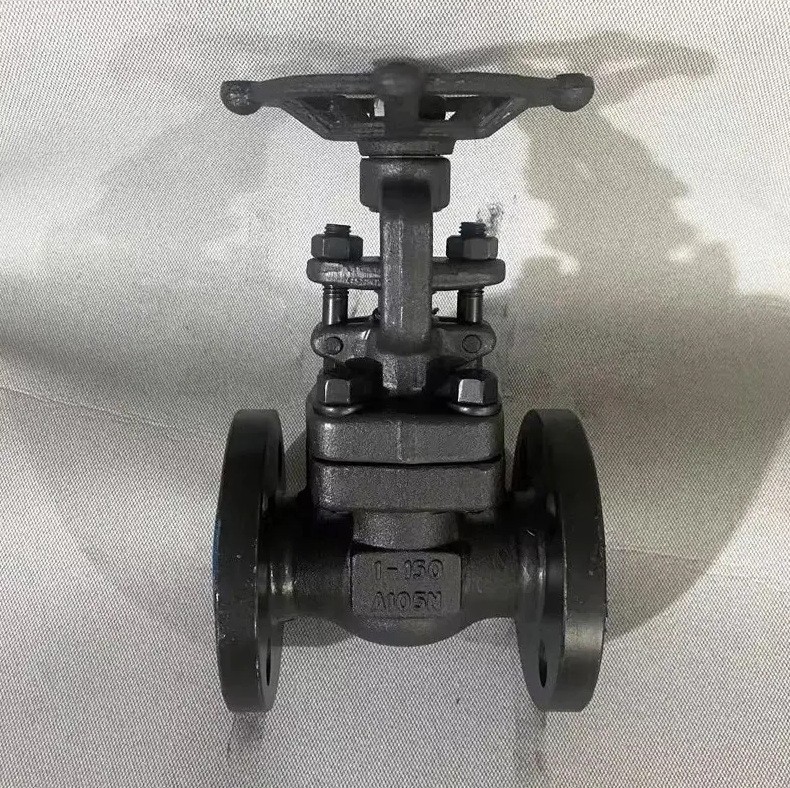
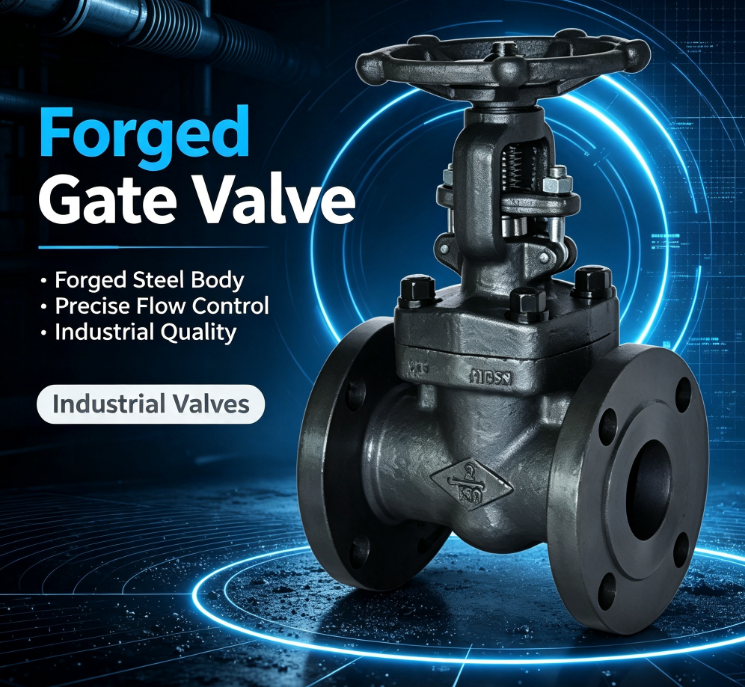
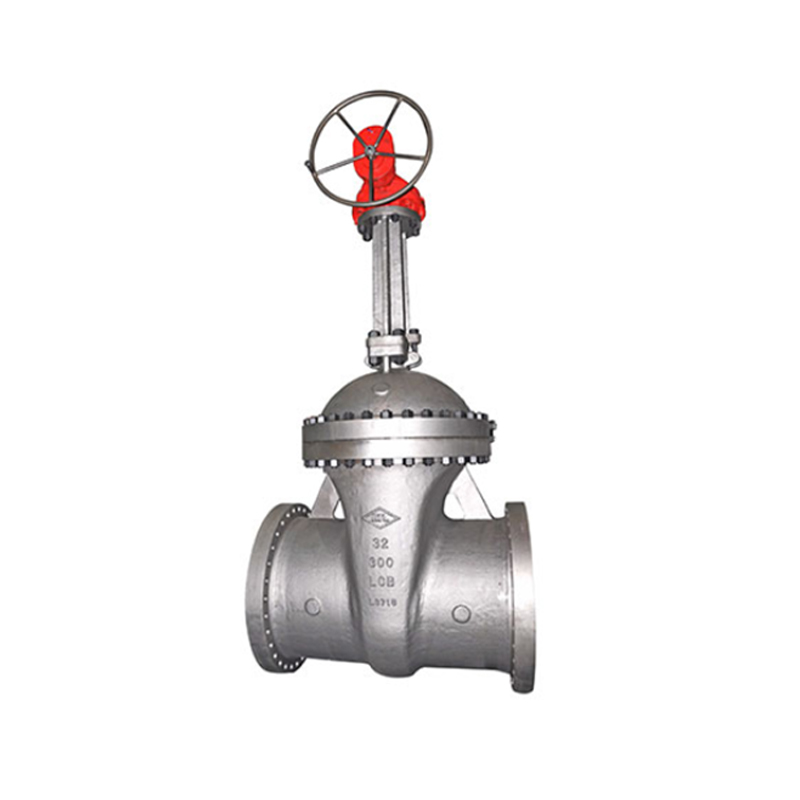
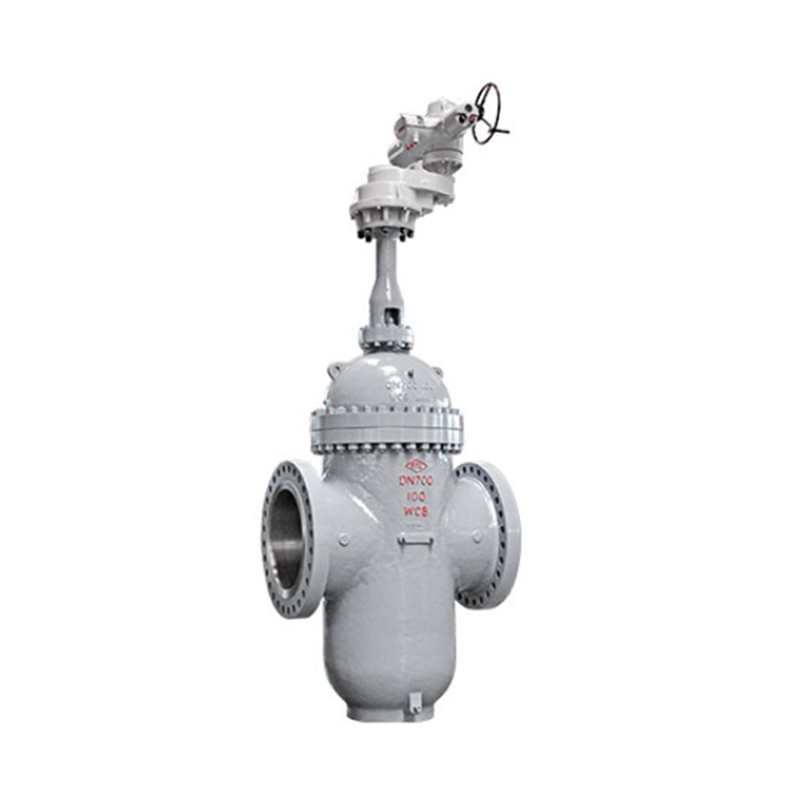
Gate valves are often chosen when the main need is simple control: let flow pass or stop it completely.
Inside the valve, a flat or wedge-like part moves up and down. When it is lifted, the passage opens. When it drops, it blocks the flow.
There is not much middle ground here. Gate valves are not really designed for fine adjustment. They are more about position than precision.
In real systems, they are often placed in long pipelines where the flow stays steady most of the time. Once opened or closed, they usually stay in that state for long periods.
One thing people notice is that the flow path is quite direct when fully open. That helps reduce internal resistance in the pipeline.
Why do globe valves feel different in operation?
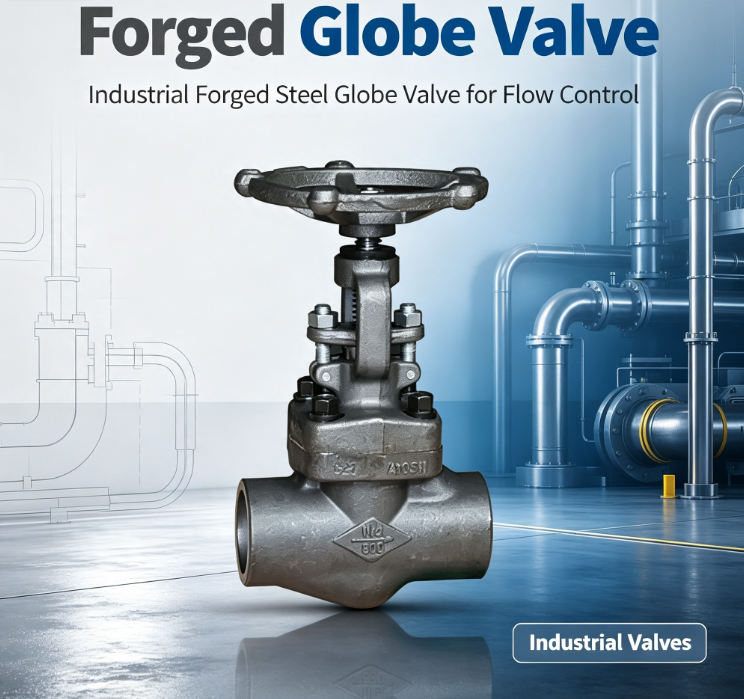
Globe valves are used when flow needs to be adjusted instead of just stopped or opened.
The structure inside is different from a gate valve. The fluid changes direction as it moves through the body, and a disc moves closer or farther from the opening to control how much passes through.
This setup makes the valve more suitable for gradual adjustment. Instead of switching between two states, it allows in-between positions.
In practice, this is useful in systems where conditions change during operation. Flow may need to be reduced at times, not just shut off.
Because of the internal path, resistance is usually higher than in simpler designs, but that trade-off comes with better control.
How does a check valve work without manual control?
Check valves behave differently because they do not need an operator.
They respond automatically based on flow direction. When fluid moves forward, the valve opens. If the flow tries to reverse, it closes by itself.
This simple action helps prevent backflow inside pipelines. Backflow can disturb system balance or cause unwanted mixing, so this function is often important.
Inside the valve, movement is usually triggered by pressure changes. There is no external handle or manual input during normal operation.
In many installations, check valves are placed quietly in the background, only becoming active when flow direction changes.
What makes ball valves so commonly used?
Ball valves use a rotating sphere with a hole through the middle. The position of that hole decides whether fluid can pass.
When the opening lines up with the pipeline, flow moves freely. When turned, the solid part blocks the passage.
Operation is usually quick. A small turn can switch the state from open to closed.
This is useful in systems where fast shut-off is needed. It allows sections of a pipeline to be isolated without delay.
Another reason they are common is their straightforward structure. Fewer internal movements often mean fewer points of wear during regular use.
What is special about plug valves?
Plug valves use a rotating plug inside the body. The plug has a passage that lines up with the pipeline when open.
Turning it changes the alignment and controls flow.
The structure is fairly direct, with fewer moving parts compared to some other designs. This simplicity is one of the reasons it is used in certain systems.
In some applications, plug valves are chosen when space is limited or when a compact solution is preferred.
They are often used in situations where flow changes are not constant but still need reliable control when required.
Why are butterfly valves used in larger systems?
Butterfly valves use a disc that rotates inside the pipeline. The disc can sit parallel to flow or turn across it to restrict passage.
One of their noticeable features is their compact shape. Even in large pipelines, they do not take up much space around the pipe line.
When fully open, the disc sits in a position that allows fluid to pass with limited obstruction.
They are often selected in systems where large volumes need to be managed without bulky equipment.
In practical use, they are relatively easy to operate, and that makes them suitable for large installations where multiple valves are installed across a network.
How do isolation valves fit into pipeline systems?
Some DIN cast steel valves are mainly used for isolation rather than regular flow control.
These valves are used when a section of a pipeline needs to be separated from the rest of the system. This can happen during maintenance or when part of the system needs inspection.
Their role is more about separation than adjustment. Once closed, they block the flow so work can be done safely in other areas.
In many systems, isolation valves are placed at key points so different sections can be controlled independently.
What do these valve types have in common?
Even though each type behaves differently, they share a common foundation.
They are built to fit standardized pipeline connections. That means they can be used across different systems without major changes in design.
They also follow similar material expectations. Cast steel provides a stable base that holds up under pressure and long-term use.
What connects them is not how they move, but how they fit into a larger system. Each type is designed to handle a specific role inside that system.
How are valves chosen for real projects?
In practice, selection is usually based on what the system needs rather than the valve name alone.
A few simple questions often guide the choice:
- Does the flow need to be fully open or adjustable
- Is backflow a concern
- Will the valve be used often or only occasionally
- How much space is available in the pipeline layout
For example, a system that needs frequent adjustment may lean toward globe valves. A line that just needs open or closed control may use gate or ball valves. Large pipelines often bring butterfly valves into the picture.
It is common to see different types used together in one system.
Why does structure matter in these valves?
Even small structural differences can change how a valve behaves over time.
The movement inside, the way sealing happens, and how the flow passes through all affect daily use.
Some valves feel smoother during operation. Others are more direct but less flexible. These differences come from internal design rather than size or appearance.
That is why standardization matters. It helps ensure that different valves still behave in predictable ways when installed in real systems.
What shapes the role of these valves in industry?
DIN standard cast steel valves are used across many industries not because they are identical, but because they offer different solutions within one shared framework.
Each type plays a different part in controlling flow, isolating sections, or preventing back movement.
Together, they form a system of options rather than a single solution.
Recommended Products
The variety of models, to meet the development needs of various regions in the world.
Copyright © ZHEJIANG ROCK VALVE CO., LTD.

Cast Steel Valves Stock Wholesaler