


 English
 русский
 عربى
عربى Español
Industry News
What Factors Should Be Considered When Custom Non-Standard Valves
In many industrial settings, a standard valve does not always fit the real conditions on site. Pipe layouts change. Media behaves in unexpected ways. Space may be tight, or the working environment may shift over time. These realities often lead engineers and buyers to consider non-standard valve solutions. Customization is not only about changing shape or size. It is about shaping a component so it can live comfortably inside a system that may already be complex.
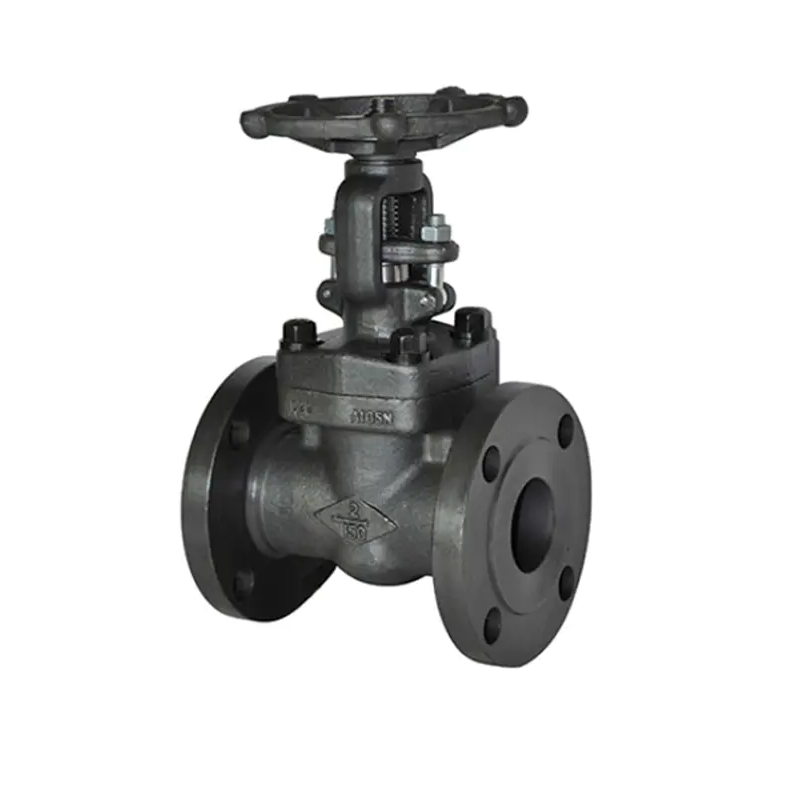
The discussion around Custom Non-Standard Valves has been growing. Manufacturers, project planners, and maintenance teams are paying closer attention to how these valves are defined and produced. A valve that looks simple from the outside may carry many decisions within it. Each decision reflects a trade-off between safety, cost, durability, and ease of use.
Below are some of the key questions that guide the customization process. Each one opens a different angle. Together, they form a practical way to think through a project that does not follow a standard template.
What Working Conditions Will The Valve Face?
Every valve exists inside a system that moves something. It could be liquid, gas, or a mix. The nature of that flow shapes almost every design choice.
Some media flows smoothly. Others carry particles or change state under pressure. Some may react with certain materials. A valve used in one line may fail quickly if placed in another. This is why understanding the working condition is not a small step. It sits at the center of the process.
Temperature plays a quiet but strong role. It can affect sealing behavior and the shape of internal parts. Pressure adds another layer. It pushes against every surface and connection. When both vary over time, the design needs to adapt rather than resist.
Flow pattern also matters. Is the flow steady or does it surge? Does it change direction often? A customized valve may include features that guide or calm the flow. This helps reduce wear and keeps the system stable.
In real projects, engineers often spend time observing how the system behaves before making design decisions. That observation may come from past experience, or from trial runs in a similar environment.
How Should The Valve Fit Into The Existing System?
A valve does not work alone. It connects to pipes, flanges, or other components. In many older systems, space is limited. Dimensions may not follow current standards. This is where customization becomes practical rather than optional.
Connection type is one concern. The valve must align with existing interfaces. If not, additional parts are needed, which can introduce more points of failure. A well-fitted valve reduces the need for extra adjustments.
Installation space can be narrow or irregular. In some cases, there is no room to rotate or adjust large parts. The design may need to be compact or shaped to fit around other equipment.
Orientation also matters. Some valves work differently depending on how they are positioned. A custom design can take this into account, ensuring that the valve performs as expected regardless of how it is installed.
Maintenance access should not be overlooked. If a valve is hard to reach, even simple checks can become difficult. Customization may include features that allow easier inspection or replacement.
Which Materials Are Suitable For The Application?
Material choice often decides how long a valve will last. It also affects how it interacts with the medium flowing through it.
Some materials resist corrosion. Others offer strength under pressure. In many cases, a balance is needed. A material that performs well in one condition may not do so in another.
The external environment also plays a role. Outdoor installations face weather changes. Indoor settings may have chemical exposure. Both can affect the outer surface of the valve.
Sealing materials deserve attention as well. They must remain stable over time and under varying conditions. A mismatch here can lead to leaks or frequent replacements.
In customized designs, material selection is often discussed in detail. It is not only about performance but also about availability and processing methods.
How Will The Valve Be Operated?
Operation style shapes user experience and system control. Some valves are operated manually. Others are connected to automated systems.
Manual operation requires ergonomic design. The handle or control should be easy to use, even in limited space. It should not require excessive force.
Automated operation introduces other considerations. The valve must respond smoothly to control signals. It should integrate with existing systems without conflict.
Response time can be important. In some systems, a quick reaction is needed. In others, gradual adjustment is preferred. Customization allows this behavior to be tuned.
Safety also enters the picture. The valve should not move in unexpected ways. It should remain stable even if external conditions change.
What Level Of Precision Is Required?
Not all systems need the same level of control. Some require fine adjustment. Others only need open or close positions.
A customized valve can be designed to match the required level of precision. This affects internal structure and control mechanisms.
In systems where flow must be balanced, small changes can have large effects. The valve must respond in a predictable way. This reduces the need for constant adjustment.
In simpler systems, too much precision may add unnecessary complexity. The goal is to match the design to the real need, not to overbuild.
How Does Cost Influence The Design?
Cost is always part of the discussion. It is not only about the initial price. It also includes maintenance, downtime, and replacement.
A customized valve may cost more to produce. At the same time, it may reduce issues later on. Fewer adjustments, fewer failures, and smoother operation can offset the initial expense.
Budget limits can shape material choices, design features, and production methods. Clear communication between the buyer and the manufacturer helps align expectations.
Sometimes, a simple adjustment in design can reduce cost without affecting performance. This often comes from experience and careful review.
What Challenges May Appear During Production?
Customization brings flexibility. It also introduces complexity. Each design may require different tools, processes, or checks.
Manufacturers may need to adjust their workflow. This can affect production time and consistency. Clear drawings and specifications help reduce confusion.
Testing becomes more important. A non-standard valve may not have a reference model. It must be checked based on its own design.
Communication plays a key role here. Designers, engineers, and production teams need to stay aligned. Misunderstandings can lead to delays or rework.
How Can Quality And Reliability Be Ensured?
A customized valve must perform as expected over time. This requires attention during both design and production.
Inspection points can be built into the process. Each stage can include checks to confirm that the design is followed.
Testing under simulated conditions can provide insight. It helps identify issues before the valve is installed in a real system.
Documentation also matters. Clear records allow future maintenance teams to understand how the valve was designed and produced.
Below is a simple table that outlines key factors and their roles in customization:
| Factor | Role In Customization | Practical Consideration |
|---|---|---|
| Working Conditions | Defines design direction | Study flow behavior and environment |
| System Compatibility | Ensures proper fit and connection | Check layout and installation space |
| Material Selection | Influences durability and interaction | Balance resistance and processing |
| Operation Method | Shapes user control and system response | Match manual or automated needs |
| Precision Requirement | Determines level of control | Avoid unnecessary complexity |
| Cost Consideration | Guides design scope and choices | Look beyond initial expense |
| Production Feasibility | Affects manufacturing process | Ensure clear communication |
| Quality Assurance | Supports long-term reliability | Include testing and documentation |
How Do Project Timelines Affect Custom Valve Decisions?
Time can influence many choices. A project under pressure may not allow for extended design cycles. This can limit the level of customization.
At the same time, rushing the process can lead to issues later. A balance is often needed between speed and thoroughness.
Lead time for materials and production must be considered. Some designs require special processing. This can extend delivery schedules.
Planning ahead helps reduce these risks. Early discussions between all parties can align expectations and avoid last-minute changes.
What Role Does Communication Play In Customization?
Behind every customized valve is a chain of conversations. Engineers describe needs. Designers translate them into drawings. Manufacturers turn those drawings into real parts.
Clear communication reduces errors. It also helps each side understand the limits and possibilities of the design.
Visual aids, sketches, and simple explanations can support this process. Not every detail needs complex language. Clarity often comes from simplicity.
Feedback loops are useful. Early samples or prototypes allow for adjustment before full production begins.
In the current industrial landscape, customization is becoming a practical response to complex systems. Non-standard valves reflect this shift. They are shaped by real conditions, not by fixed templates. Each project adds a new variation, a new set of decisions, and a new understanding of how components interact within a larger system.
Recommended Products
The variety of models, to meet the development needs of various regions in the world.
Copyright © ZHEJIANG ROCK VALVE CO., LTD.

Cast Steel Valves Stock Wholesaler