

 English
 русский
 عربى
 Español

Industry News
Home / News / Industry News / Are API Cast Steel Globe Valve Suitable for High Temperature Environments
High-temperature piping systems place real demands on industrial valves. Heat affects metal strength, sealing surfaces, packing materials, and the way internal parts fit together over time. Choosing a valve for these conditions takes more than checking its basic design — material, pressure conditions, fluid properties, and operating cycle all come into play together.
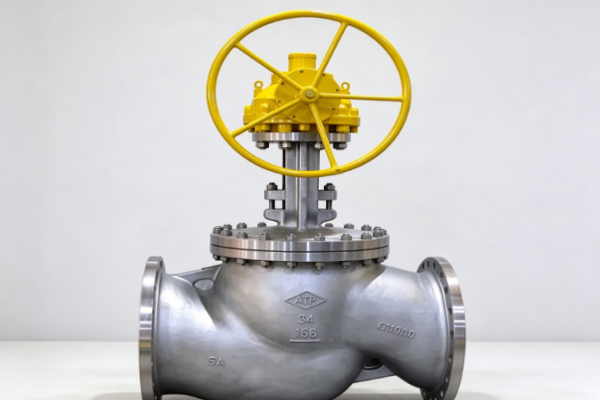
API cast steel globe valves show up in plenty of industrial systems where flow regulation and shutoff are both required. Their construction makes them suitable for a range of demanding services, sure, but whether they can actually handle high temperatures depends on the specific valve design and the conditions it's operating under.
Understanding how these valves respond to heat helps engineers and equipment buyers make sound decisions for power generation, refining, chemical processing, and other industrial applications alike.
A globe valve controls flow through the movement of a disc toward or away from a seat. This design lets the opening get adjusted, which proves useful whenever a process needs changes in flow rate. It can also provide shutoff when the disc closes fully against the seat.
Cast steel gets used widely for industrial valve bodies because it provides the strength needed for pressure-containing equipment. Its suitability at elevated temperatures, though, really depends on the selected grade, the manufacturing process, and the pressure conditions involved.
API refers to standards developed by the American Petroleum Institute. An API-related designation might identify requirements for valve design, materials, testing, or other construction aspects. That said, having an API designation doesn't automatically mean a valve can handle every high-temperature application out there.
The actual temperature capability needs confirming for the complete valve assembly, not just one part of it. The body, bonnet, disc, stem, seat, packing, and gasket all need to suit the intended service. A limitation in any single one of these parts can drag down the performance of the entire valve.
Buyers should therefore look at the valve specification rather than leaning on the product name alone. A cast steel globe valve built for ordinary industrial service may not hold up in a process involving sustained high heat or repeated temperature swings.
Heat changes how steel behaves. As temperature climbs, the material's strength and stiffness can shift, and the extent of these changes depends on the steel grade and the temperature range in question.
For a valve body, this matters because the body has to contain process pressure while supporting the internal components at the same time. A material that's perfectly suitable under moderate conditions may carry different pressure limits once exposed to elevated temperatures.
Long periods of heat exposure can affect the material over time too. Under certain conditions, steel may experience gradual deformation under sustained stress. This can throw off the shape of pressure-containing parts and the alignment of internal components down the line.
Temperature changes also drive expansion and contraction. When a valve heats up, its body and internal parts expand; as it cools, they contract back. If different components respond at different rates, the clearances and contact between parts can shift in ways that matter.
The design needs to account for all of this. Material selection, wall thickness, component geometry, and manufacturing quality together shape how the valve actually responds to heat.
Inspection and material verification matter here as well. Buyers should confirm the cast steel grade matches the specified service conditions, and that the valve's been manufactured and tested according to the applicable requirements.
The valve body gets much of the attention during selection, but it's far from the only part affected by heat. Several internal and external components can shape the valve's service life just as much.
The disc and seat
The disc and seat work together to regulate flow and provide shutoff. High temperatures can change their dimensions and affect the contact between their surfaces. Wear, oxidation, deposits, and repeated movement can all influence sealing performance too.
The materials and surface treatment used for these parts need to suit the process fluid and operating temperature. Their design must let the valve open and close without excessive friction or any loss of sealing ability.
The stem
The stem transfers movement from the operating mechanism to the disc. It needs to stay strong enough to carry the required operating load, full stop. Heat, corrosion, and repeated operation can all chip away at its condition over time.
Stem alignment matters because distortion or uneven loading can increase friction. This makes the valve harder to operate and can place additional stress onto the stem and related parts.
Packing and gaskets
Packing seals the area around the stem, while gaskets help stop leakage at body connections. These materials often respond to heat quite differently from the metal components around them.
Some sealing materials lose flexibility, degrade, or just become less effective after prolonged exposure to high temperatures. The correct materials need selecting for the actual temperature, pressure, and fluid conditions at hand.
The bonnet connection
The body-to-bonnet joint needs to maintain its seal as the valve heats and cools repeatedly. Changes in component dimensions can affect the joint, especially across repeated operating cycles. The connection design and gasket selection should match the valve's intended service closely.
Temperature and pressure need considering together, not separately. A valve may suit a certain pressure under cooler conditions but carry a lower allowable pressure once the temperature rises.
This happens because a material's ability to withstand stress can shift with heat. The allowable operating conditions therefore depend on the material and the valve's design requirements together.
A pressure rating shouldn't get treated as a fixed limit that applies at every temperature across the board. Engineers need to check the relevant pressure and temperature ratings for the selected valve, and the operating conditions of the piping system need to stay within those limits.
Pressure changes during startup, shutdown, and normal operation deserve attention too. A valve can experience shifting loads as the system warms up, cools down, or moves between operating states.
Unexpected pressure changes can place extra demands on the body, closure parts, and sealing joints. The valve should get selected as part of the complete piping system — taking account of how the process actually operates rather than considering temperature in isolation from everything else.
Clear product documentation helps confirm whether the chosen valve matches these requirements. Where the service is demanding, the design and operating limits should get reviewed with the valve manufacturer and the responsible engineering team.
Standards help establish consistent requirements for valve design, materials, dimensions, inspection, and testing. Their role matters especially in high-temperature service, where material suitability and pressure limits directly affect safe operation.
The relevant API standard depends on the type of valve and its intended application. Other standards may apply too, covering pressure-temperature ratings, material specifications, end connections, and testing requirements.
A valve described as API compliant should get checked against the specific standard stated in its documentation. General references to API requirements simply aren't enough to establish suitability for a particular service.
Material specifications deserve close attention here. The documentation should identify the cast steel grade and other materials used in the pressure-containing and sealing components. This information helps determine whether the valve is actually appropriate for the process conditions it'll face.
Inspection and testing records can help verify the valve's condition before installation too. Depending on the applicable requirements, these might cover pressure testing, visual checks, dimensional inspection, and material verification.
Buyers should confirm the supplied valve matches the approved specification. Any special requirements for high-temperature operation should get stated clearly during procurement — this cuts the risk of receiving a valve that meets general design requirements but doesn't suit the actual operating environment.
These valves may get used in industrial systems where operators need to regulate flow or isolate sections of a process. Their suitability really depends on the fluid, temperature, pressure, and required operating function together.
Power generation
Steam and other hot process fluids are common in power generation facilities. Globe valves may get used where flow adjustment or isolation is required. The selected materials and sealing components need to suit the service conditions involved.
Oil refining
Refineries handle a range of hot fluids during processing. Cast steel globe valves may get installed in piping where controlled flow is needed. Fluid composition matters here too, since corrosive substances can affect the valve materials and sealing surfaces over time.
Chemical processing
Chemical plants often operate under shifting process conditions. A valve needs compatibility with the fluid as well as the temperature and pressure involved. Material compatibility should get checked across the full range of expected operating conditions.
Industrial heating systems
Heating equipment and thermal process lines may require valves that regulate the movement of hot liquids or gases. Repeated heating and cooling can place additional demands on the valve body, stem, and sealing components alike.
In each application, the valve's intended role should stay clear. Globe valves prove useful for flow regulation, but the suitability of a particular design still depends on the process requirements. The installation shouldn't expose the valve to conditions outside its specified limits.
Correct selection is only part of the process. Installation and maintenance shape how a globe valve performs during high-temperature operation just as much.
Before installation, confirm the valve's flow direction, connection type, pressure-temperature rating, and material specification. Check that the valve suits the fluid and the expected operating cycle. The piping layout should also avoid placing unnecessary loads on the valve body or connections.
Thermal expansion in the surrounding pipes deserves consideration too. If the piping expands or contracts significantly, the resulting forces can affect the valve and its joints. Suitable supports and an appropriate piping arrangement help limit these loads.
The operating mechanism should stay accessible and suitable for the expected operating conditions. A valve that's difficult to reach can be harder to inspect or operate once the system is running.
Maintenance checks should look for external leakage, damaged packing, loose connections, corrosion, and signs of abnormal operation. During planned servicing, internal parts may need inspection for wear, deposits, distortion, or damage to the seating surfaces.
Repeated temperature changes deserve attention because they can affect sealing and component alignment over time. If the valve becomes difficult to operate or stops shutting off as expected, the cause needs identifying before continued use.
Before maintenance, isolate the valve and make sure the system's been depressurized and brought to a safe condition. Hot fluids and heated metal surfaces can cause serious injury. Work should follow the site's safety procedures, including the required cooling, isolation, and protective measures.
The variety of models, to meet the development needs of various regions in the world.
Copyright © ZHEJIANG ROCK VALVE CO., LTD.

Cast Steel Valves Stock Wholesaler