


 English
 русский
 عربى
عربى Español
Industry News
What Is a Fire Safe Gate Valve and How Does It Work
Industrial piping systems often operate under conditions that are not visible on the surface. Fluids move through long networks of pipes. Pressure changes quietly in the background. In some environments, temperature shifts can become sudden and severe.
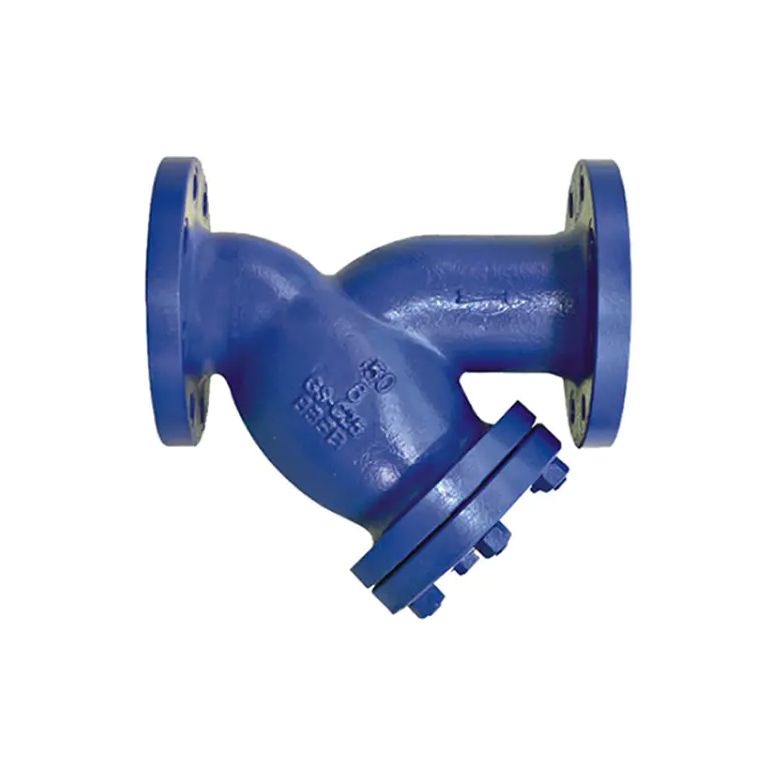
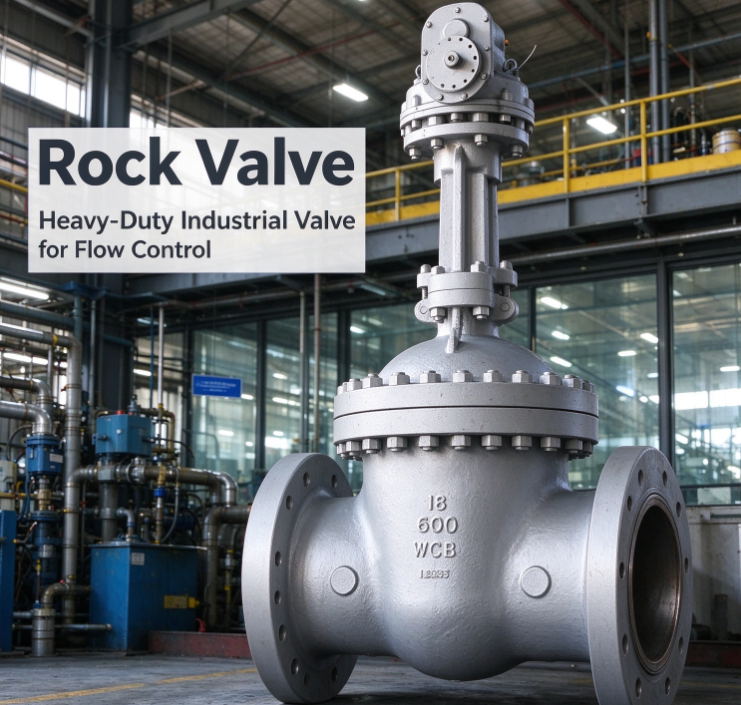
In these systems, control components are not optional. They are part of the structure that keeps operations stable. A fire safe gate valve is one of those components that sits quietly in the pipeline but becomes critical when conditions change unexpectedly.
It is not a device that attracts attention during normal operation. Its role becomes clearer when systems face heat, fire exposure, or sudden shutdown needs.
What exactly is a fire safe gate valve?
A fire gate valve is a type of isolation valve designed for pipeline systems where safety is a concern during extreme temperature conditions.
Its main role is simple in concept. It opens or closes the flow path inside a pipe. When open, material moves through. When closed, the passage is blocked.
What makes it different is the way it is built to behave under fire-related stress. In ordinary valves, high heat can damage sealing parts and lead to leakage. In a fire safe design, the structure is arranged so that even if some components are affected, the valve can still maintain a controlled sealing function.
This type of valve is commonly used in systems where leakage during fire conditions could create additional risks.
Why do pipeline systems need fire safe protection?
Industrial pipelines often carry fluids that require controlled handling. In normal conditions, everything works within expected limits. Temperature stays stable. Pressure remains predictable.
A fire introduces a different situation. Heat rises quickly. Materials expand. Seals may weaken. In some cases, standard components may fail to maintain closure.
A fire safe gate valve is designed with this possibility in mind. It provides a level of control that remains functional even when external conditions become unstable.
It is not about preventing fire itself. It is about maintaining control of the flow path during and after exposure to high heat.
This is especially important in environments where multiple systems are connected. A small failure in one section can affect others.
How does a fire safe gate valve control flow?
The working principle of a gate valve is based on a simple movement. Inside the valve body, a gate-like structure moves up and down.
When the gate is lifted, the passage opens. Fluid moves through the pipeline without interruption. When the gate is lowered, it blocks the passage and stops flow.
The movement is usually controlled through a turning mechanism. As the handle or actuator is operated, the gate shifts position in a straight line.
In a fire safe version, this basic structure remains the same, but the internal arrangement of sealing areas is designed to perform under higher stress conditions.
The sealing surfaces are placed in a way that reduces direct exposure to damage during extreme heat.
What makes a valve "fire safe" in design?
Fire safe design is not based on a single feature. It comes from a combination of structural choices.
One important aspect is the use of sealing contact points that can maintain function even if softer sealing materials are affected by heat. In such cases, metal-to-metal contact areas may continue to provide a barrier.
Another aspect is the way internal spaces are arranged. When temperature rises, some materials expand. A fire safe design considers this movement so that critical parts remain aligned.
The body of the valve is also built to maintain integrity under stress. It is not intended to collapse or deform easily when exposed to heat.
These elements work together quietly. They do not change how the valve operates in normal conditions. The difference becomes noticeable only in abnormal situations.
Where are fire safe gate valves commonly used?
Fire gate valves are usually installed in systems where safety control is important over long distances of piping.
Some common environments include:
- Energy and fuel distribution systems
- Chemical handling networks
- Industrial processing lines
- Storage and transfer facilities
- Enclosed pipeline systems with shared connections
In these environments, pipelines often connect multiple units. A single system may affect several others if flow is not properly controlled.
A fire safe valve helps isolate sections when needed. This isolation can reduce the spread of risk through connected pipelines.
How does the valve behave during high heat exposure?
When exposed to high temperatures, most mechanical components begin to change behavior. Materials expand. Seals soften. Lubrication conditions may shift.
A fire gate valve is designed so that these changes do not immediately lead to loss of control.
If softer sealing elements are damaged, the structure is arranged so that harder surfaces can still come into contact and reduce leakage paths.
The gate movement itself remains mechanical. Even if external conditions are not ideal, the basic opening and closing function is intended to remain usable.
This does not mean the valve is unaffected by fire. It means it is designed to reduce uncontrolled flow during such conditions.
What internal elements influence performance?
Inside a fire safe gate valve, several parts work together. Each one plays a role in controlling flow and maintaining stability.
- The valve body forms the outer structure
- The gate controls the opening and closing path
- Sealing zones manage contact between moving parts
- The stem transfers motion from outside to inside
- Connection ends link the valve to the pipeline
The interaction between these parts determines how smoothly the valve operates.
In fire safe versions, the relationship between sealing zones and structural parts is carefully arranged. The goal is to maintain function even when certain components experience stress.
How does operation remain stable over time?
Industrial systems often run continuously. Valves are not operated only once. They are adjusted, tested, and cycled repeatedly.
A fire gate valve is expected to remain stable during this repeated use. Under normal conditions, it operates like a standard gate valve. Flow control is smooth, and movement follows a predictable path.
Over time, exposure to system pressure and environmental conditions may create gradual wear. This is expected in most mechanical systems.
What matters is that the valve continues to perform its main function without sudden failure under standard operating conditions.
What factors influence selection in real applications?
Choosing a valve is not a random decision. Several practical considerations are usually involved.
| Factor | What it affects |
|---|---|
| Pipeline type | Compatibility with system design |
| Operating environment | Resistance to heat or pressure changes |
| Flow requirement | Ability to fully open or close passage |
| Safety expectation | Behavior under abnormal conditions |
| Maintenance access | Ease of inspection and servicing |
Each system has different priorities. Some focus more on flow stability. Others emphasize isolation capability. Fire exposure risk is often part of the evaluation.
Why does isolation matter in pipeline systems?
In connected systems, flow does not remain isolated unless controlled. A disturbance in one section can spread to others.
A gate valve allows physical separation of sections. When closed, it creates a barrier between upstream and downstream flow.
In fire-related situations, this isolation becomes more important. It helps prevent uncontrolled movement of materials through damaged areas.
This does not eliminate risk entirely, but it helps limit how far the issue can extend within the system.
How does maintenance affect long-term reliability?
Mechanical systems rely on condition over time. Even a well-designed valve needs periodic attention.
Maintenance usually involves checking movement, inspecting sealing areas, and ensuring the valve operates without resistance.
Small changes in performance can indicate wear. Addressing these early helps maintain stability in the system.
Fire gate valves follow the same logic. Their safety function depends not only on design, but also on how well they are maintained during service life.
How does a fire safe gate valve fit into modern industrial systems?
Modern pipeline systems are more connected than before. Multiple processes may depend on a single network. This increases the importance of controlled isolation.
A fire safe gate valve fits into this structure by providing a stable control point. It does not change the flow strategy of the system. It supports it.
Its role is quiet but important. It stays in the background during normal operation and becomes relevant when conditions move outside expected limits.
In many systems, that balance between normal function and emergency behavior is what makes it a practical component.
Recommended Products
The variety of models, to meet the development needs of various regions in the world.
Copyright © ZHEJIANG ROCK VALVE CO., LTD.

Cast Steel Valves Stock Wholesaler