

 English
 русский
 عربى
عربى Español
Industry News
Home / News / Industry News / What Makes an API 600 Cast Steel Gate Valve Suitable for High Pressure?
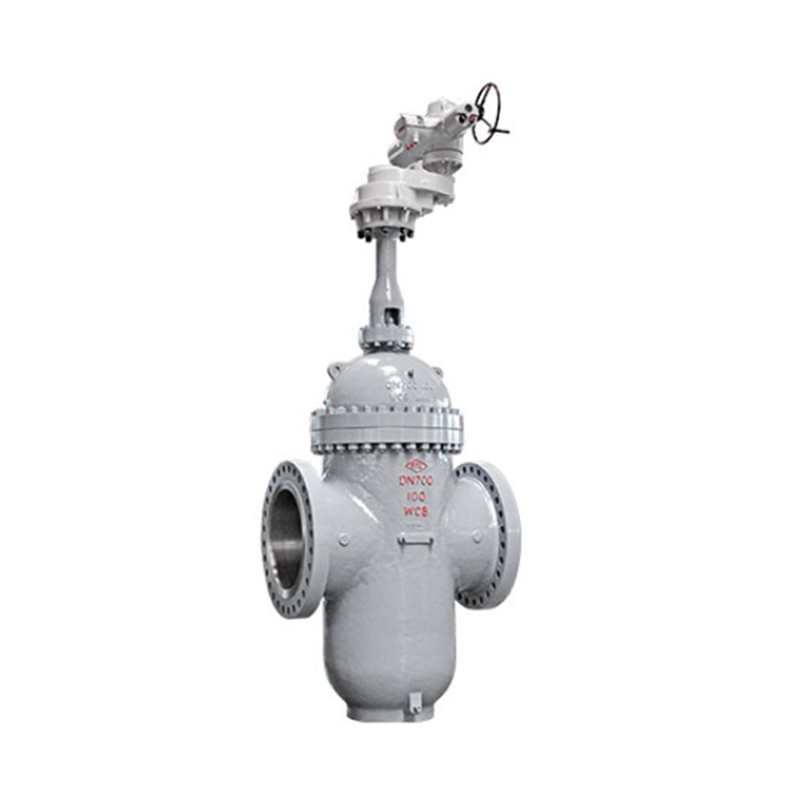
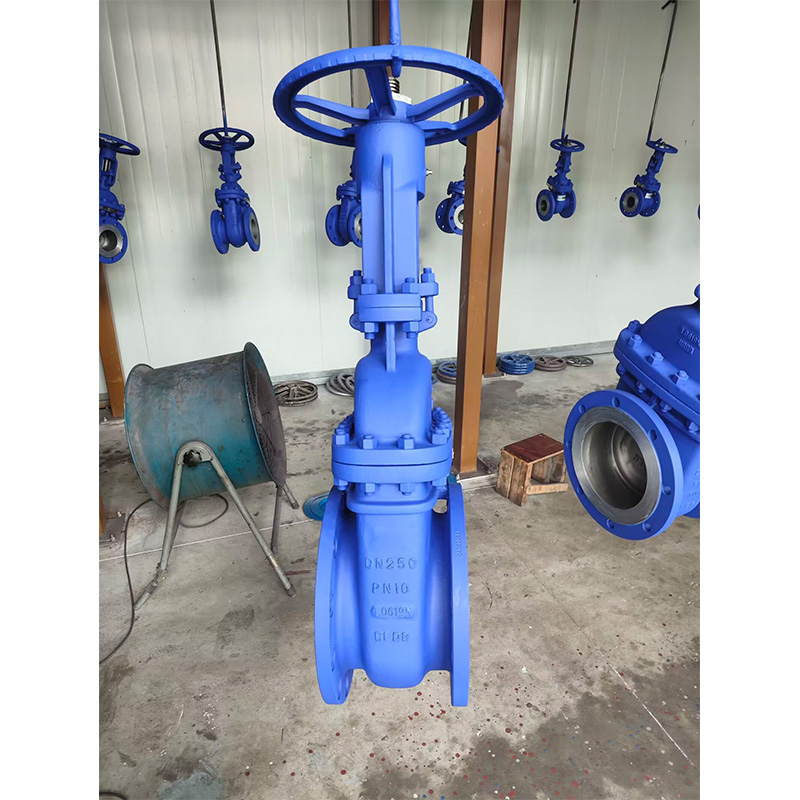
API 600 Cast Steel Gate Valve products are widely applied in pipeline systems where stable shut-off under pressure is required. In oil, gas, power, and chemical facilities, these valves are not chosen for decoration or habit, but because their structure and standard fit demanding operating conditions. Engineers often look for predictable performance, clear dimensional standards, and long service behavior rather than complex flow control functions.
This type of gate valve is mainly used for isolation. It is designed to be fully open or fully closed, not for regulating flow. When applied correctly, it supports steady system operation and simplifies maintenance planning across large facilities.
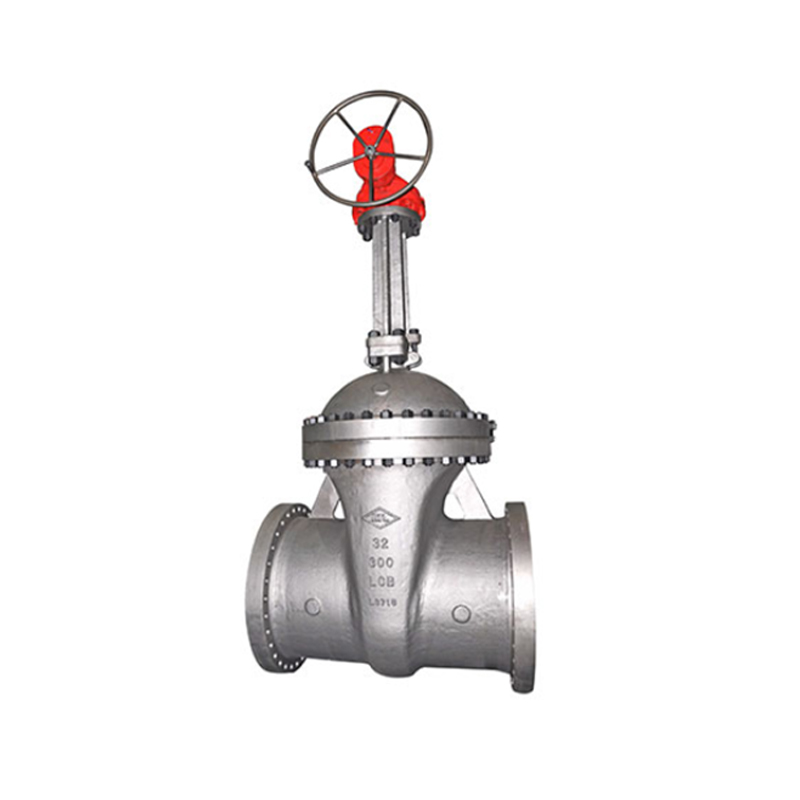
The API 600 standard defines design rules, pressure ratings, wall thickness, and testing requirements for steel gate valves. For operators, this means the valve behavior under pressure and temperature follows a known pattern. API 600 Cast Steel Gate Valve designs are commonly matched with ANSI flanges and piping layouts, reducing uncertainty during installation and replacement.
From a plant perspective, standardization also helps during shutdowns. Spare parts, flange alignment, and bolt loads are easier to manage when the valve follows a recognized specification rather than a custom structure.
High-pressure gate valves face several known issues in real systems. One frequent problem appears when the valve is left partially open. High velocity flow can wear down seating areas over time, which affects shut-off performance. This situation often shows up as internal leakage during inspections.
Thermal locking is another challenge. In systems with temperature swings, the wedge and body expand and contract at different rates. If the valve is closed at elevated temperature and the system cools, the wedge can become tightly wedged in place. Operators then struggle to reopen the valve without applying extra force or tools.
Stem packing is also under constant stress. Pressure and repeated movement gradually degrade packing materials, increasing the risk of external leakage. This is why regular inspection schedules are common in high-pressure installations using API 600 Cast Steel Gate Valve products.
The use of steel as the base material gives these valves strong mechanical properties at elevated pressure and temperature. Compared with softer materials, steel bodies maintain shape and alignment over long operating cycles. This helps the wedge seat evenly during closure, supporting consistent shut-off behavior.
Bonnet design, stem threading, and wedge guidance are also defined within API 600 requirements. These features are not meant to improve flow control but to support stable isolation and repeated operation over years of service.
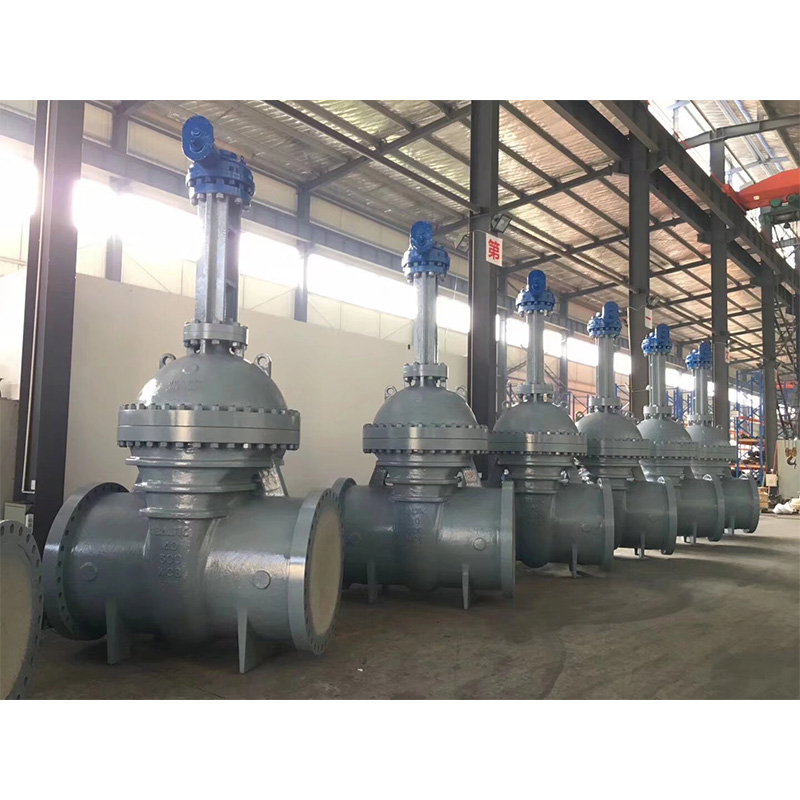
Correct installation plays a major role in valve life. Alignment with the pipeline, proper bolt tightening, and clean flange surfaces all affect long-term behavior. Gate valves should always be operated fully open or fully closed. Using them to throttle flow introduces vibration and uneven wear on internal parts.
For high-pressure systems, slow and controlled operation is preferred. Rapid opening or closing can cause pressure surges that affect both the valve and connected equipment.
In some applications, stainless steel gate valves are selected due to their resistance to corrosive media. However, in many oil, gas, steam, and non-corrosive fluid systems, cast steel gate valves remain a practical choice due to their balance of strength and cost.
API 600 Cast Steel Gate Valve designs are commonly used where corrosion is manageable through system control rather than material upgrade. This approach helps control project budgets while maintaining operational reliability.
The variety of models, to meet the development needs of various regions in the world.
Copyright © ZHEJIANG ROCK VALVE CO., LTD.

Cast Steel Valves Stock Wholesaler