


 English
 русский
 عربى
عربى Español
Industry News
Why Power Facilities Specify Cast Steel Gate Valve for Power Plant?
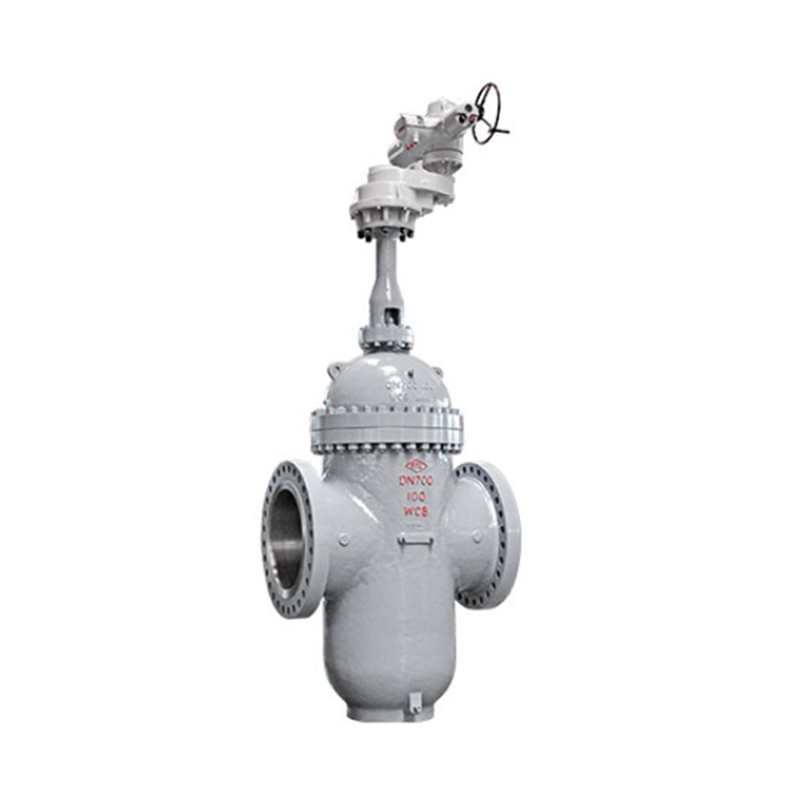
Power plants operate with complex piping networks that carry steam, water, and other working media under high pressure and elevated temperature. Valves in these systems are expected to isolate flow reliably while maintaining structural stability over long operating cycles. A Cast Steel Gate Valve for a power plant is commonly used in main steam lines, auxiliary systems, and high-pressure water circuits because it fits these working conditions well.
In these applications, valves are rarely adjusted. They are usually kept fully open or fully closed for long periods. This operating pattern makes gate valve design practical, as it offers low flow resistance when open and a clear shut-off when closed. The cast steel body provides strength and rigidity, which is necessary for handling pressure variation and thermal movement found in power generation environments.
Why Cast Steel Is Chosen for Power Plant Gate Valves
Material selection plays a major role in valve performance. Cast steel offers a balance between mechanical strength and manufacturability for large-diameter and high-pressure valves. Compared with common carbon steel options, cast steel can handle higher stress levels and temperature ranges without structural distortion.
A Cast Steel Gate Valve for a power plant benefits from this material choice by maintaining stable sealing surfaces and body integrity during repeated heating and cooling cycles. This matters in power stations where start-up and shutdown are part of normal operation. Over time, temperature fluctuation can affect valve components differently, so material stability becomes a practical concern rather than a theoretical one.
Common Problems Seen in High-Pressure Gate Valves
High-pressure service introduces specific challenges that engineers and maintenance teams often face. One frequent issue appears when a gate valve is operated in a partially open position. High-velocity flow can wear down the seating surfaces, reducing shut-off capability and allowing internal leakage. This affects system efficiency and can complicate routine operation.
Another concern is thermal locking. When a valve is closed at high temperature and later cools down, uneven contraction between internal parts may make reopening difficult. This situation is well known in power plant environments where temperature swings are part of daily operation.
Stem packing wear is also common. Under constant pressure, packing materials gradually degrade, which may result in external leakage around the stem area. For this reason, correct valve selection and proper operating practice are essential. Gate valves are designed for isolation, not flow regulation, and using them outside this purpose can shorten service life.
Design Features That Matter in Power Applications
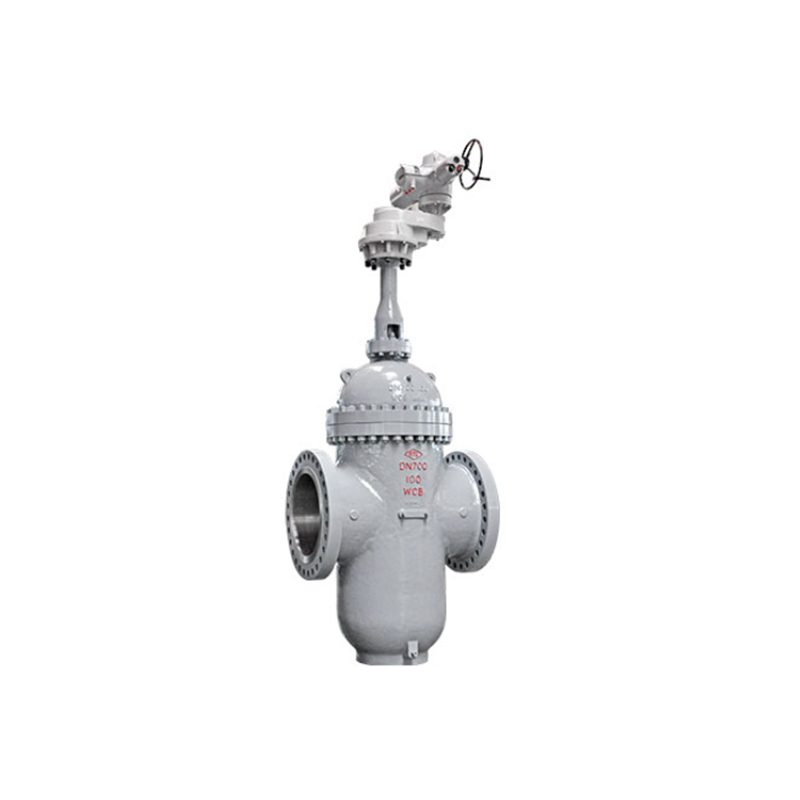
A well-designed Cast Steel Gate Valve for Power Plant focuses on stable shut-off, controlled stem movement, and body strength. The wedge and seat geometry is designed to distribute load evenly when the valve is closed. This reduces localized stress and supports consistent sealing over time.
Bonnet design is another important aspect. In power plant systems, bolted bonnets are commonly used because they allow inspection and maintenance without removing the entire valve from the pipeline. Stem design also matters, as it transmits operating force while maintaining alignment under pressure.
These features are not about complexity but about matching valve structure with actual operating conditions found in power generation facilities.
Comparing Cast Steel and Stainless Steel Gate Valves
Stainless steel gate valves are known for corrosion resistance and are widely used in chemical, food, and pharmaceutical systems. In power plants, however, the working medium is often steam or treated water, where corrosion risk is more controlled.
In such cases, cast steel becomes a practical choice due to its mechanical strength and cost balance for large sizes and high-pressure ratings. While stainless steel offers advantages in corrosive environments, a Cast Steel Gate Valve for a power plant is often selected when structural performance under pressure and temperature is the primary concern.
Recommended Products
The variety of models, to meet the development needs of various regions in the world.
Copyright © ZHEJIANG ROCK VALVE CO., LTD.

Cast Steel Valves Stock Wholesaler