

 English
 русский
 عربى
عربى Español
Industry News
Home / News / Industry News / What Applications Need a Large-Size Cast Steel Gate Valve in Pipelines?
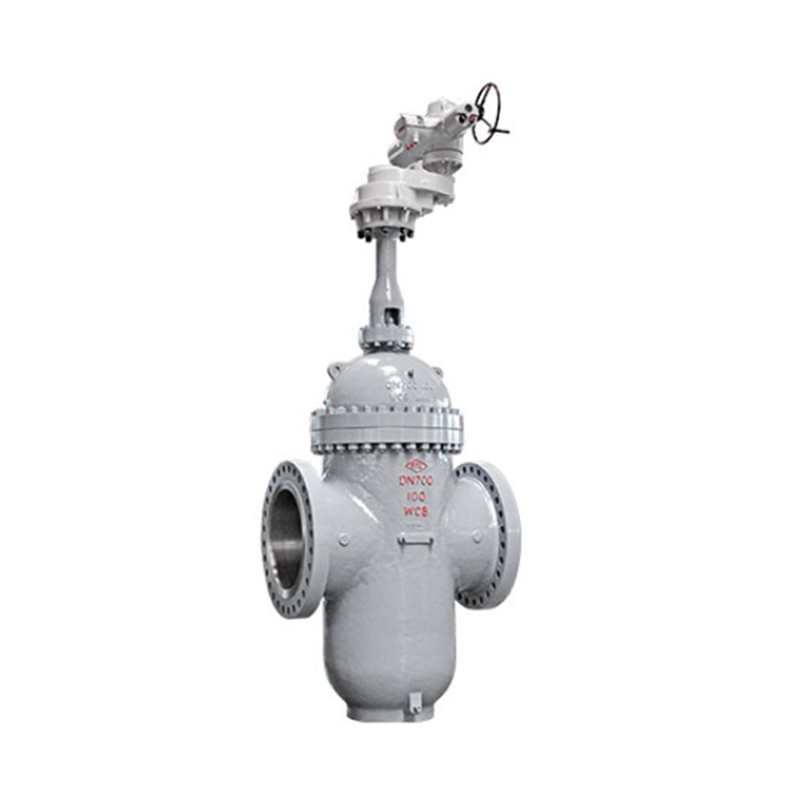
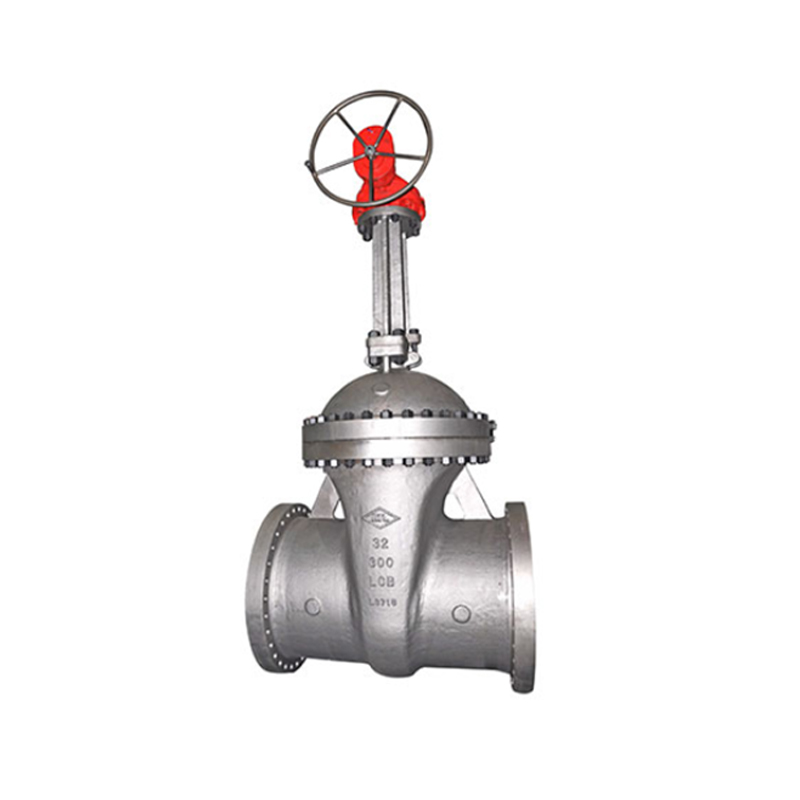
Large pipeline systems in energy, water, and process industries rely on shut-off equipment that can handle pressure, temperature changes, and long operating cycles. A Large Size Cast Steel Gate Valve is often used where full-bore flow and reliable isolation are required. Its structure allows fluid to pass with low resistance when fully open, making it suitable for main lines rather than control duties.
From a factory perspective, these valves are designed to match project conditions rather than just nominal size. Wall thickness, pressure class, and seat structure all affect how the valve behaves over the years of service.
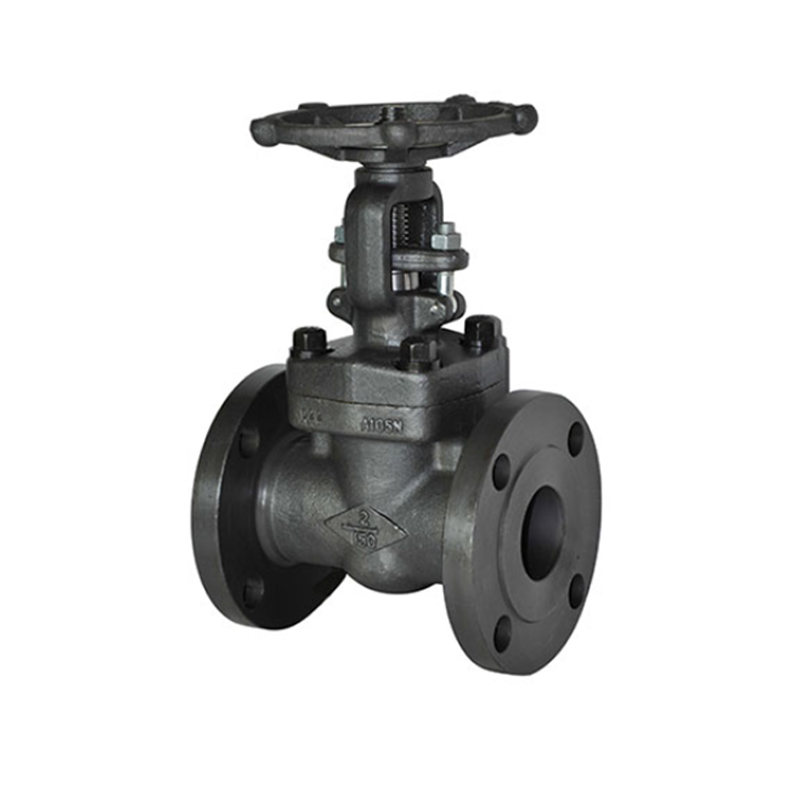
As valve size increases, operating forces, weight, and installation demands also increase. In high-pressure service, partially opening a gate valve can expose internal surfaces to fast-moving media. Over time, this can wear the seating area and reduce shut-off performance.
Temperature fluctuation is another issue. In steam or hot oil systems, expansion and contraction between the body and the wedge can cause tight operation after cooling. These realities explain why system designers prefer to use large gate valves only in fully open or fully closed positions.
Cast steel is widely used for large valve bodies due to its strength and adaptability to pressure-rated designs. Compared with iron-based options, cast steel structures can handle higher operating ranges in power generation, petrochemical lines, and long-distance pipelines.
A Large Size Cast Steel Gate Valve made with appropriate grades can support service involving water, steam, oil, and non-corrosive gases. Material selection also affects how the valve reacts to stress around the stem packing and bonnet joints, which are common areas of attention during maintenance.
High-pressure service places continuous load on sealing and moving parts. One frequent concern is seat wear when the valve is not used as intended. Throttling flow through a gate valve can create vibration and internal erosion.
Stem packing degradation is another practical issue. Packing materials are under constant pressure, and over long cycles, they may harden or wear, allowing external leakage. Regular inspection and correct torque during installation help reduce these risks.
Thermal locking may also occur in systems with hot shut-down and cool restart cycles. Understanding operating temperature patterns is important when specifying valve structure and clearance.
These valves are widely applied in power plants, oil transmission lines, refinery utilities, and water distribution networks. Their straight-through flow path supports stable operation in main pipelines where flow interruption must be clean and predictable.
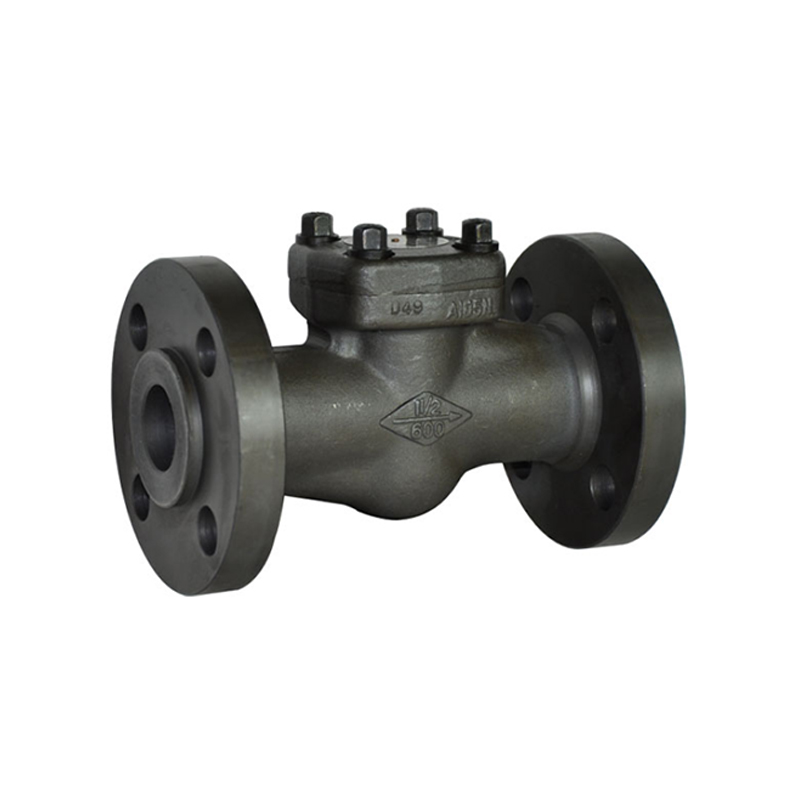
In long-distance pipelines, using a Large Size Cast Steel Gate Valve allows operators to isolate sections for maintenance without introducing complex flow resistance. This is especially useful in stations where pressure balance matters.
Valve size alone does not define performance. Bonnet design, stem type, and sealing structure all influence service life. Rising stem designs are often preferred for visual position indication, while bolted bonnets simplify inspection.
A Large Size Cast Steel Gate Valve Manufacturer typically focuses on machining accuracy, seat alignment, and pressure testing to match project standards. Clear specifications reduce confusion during installation and operation.
The variety of models, to meet the development needs of various regions in the world.
Copyright © ZHEJIANG ROCK VALVE CO., LTD.

Cast Steel Valves Stock Wholesaler