


 English
 русский
 عربى
عربى Español
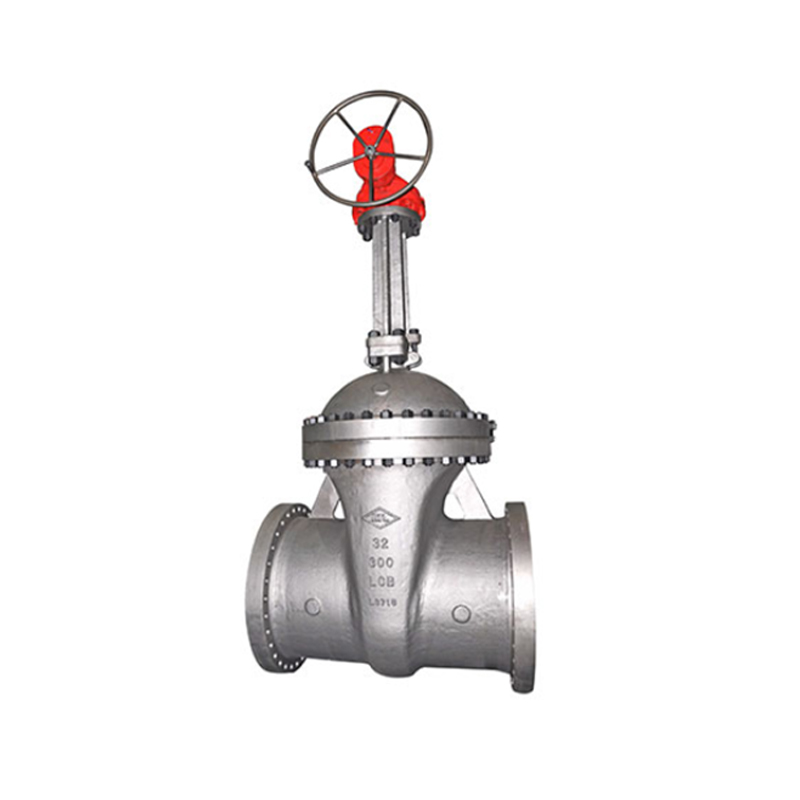
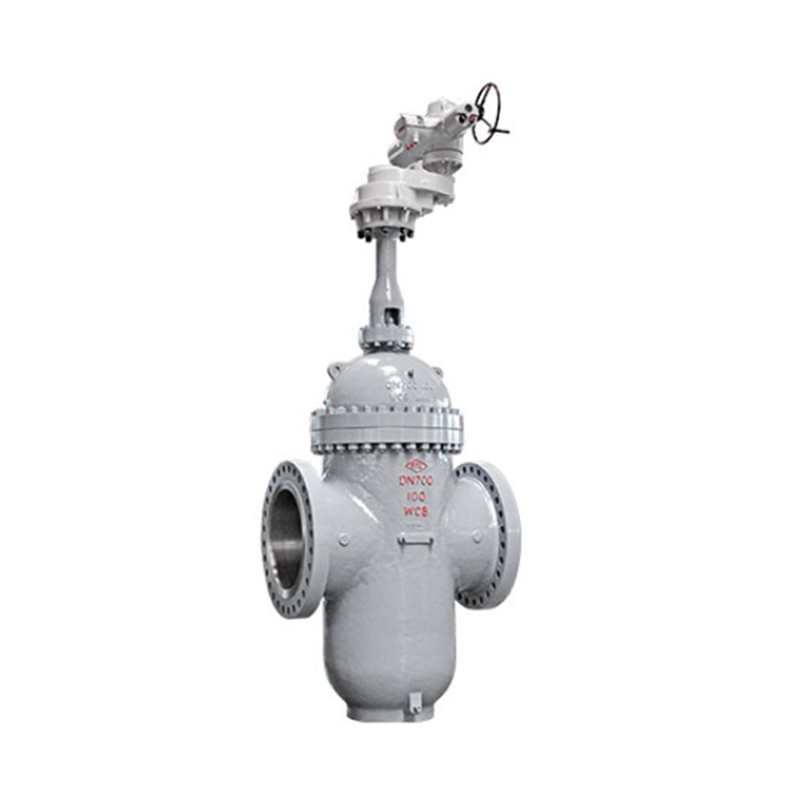
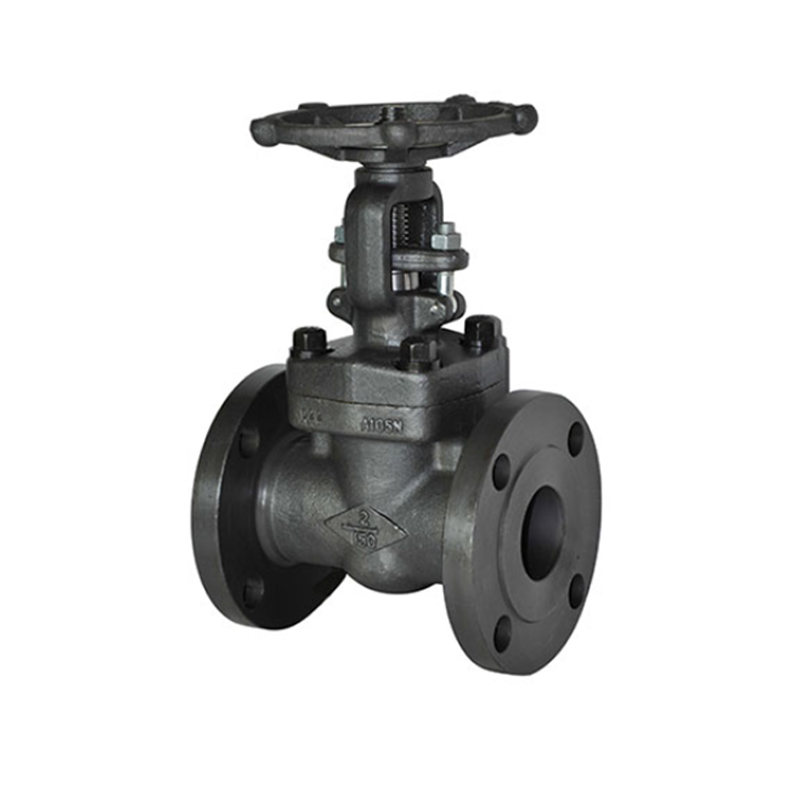
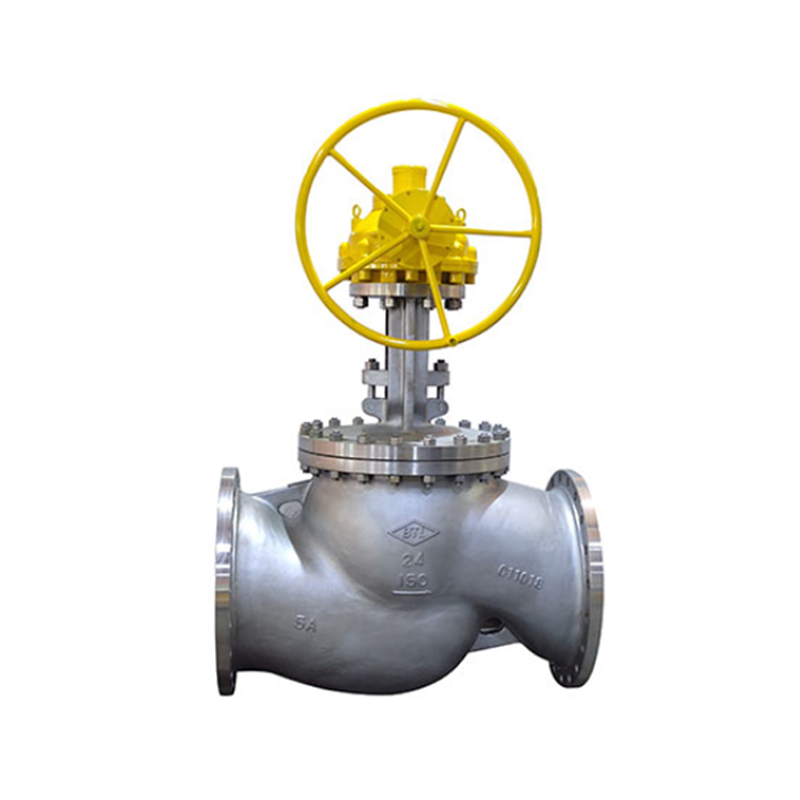
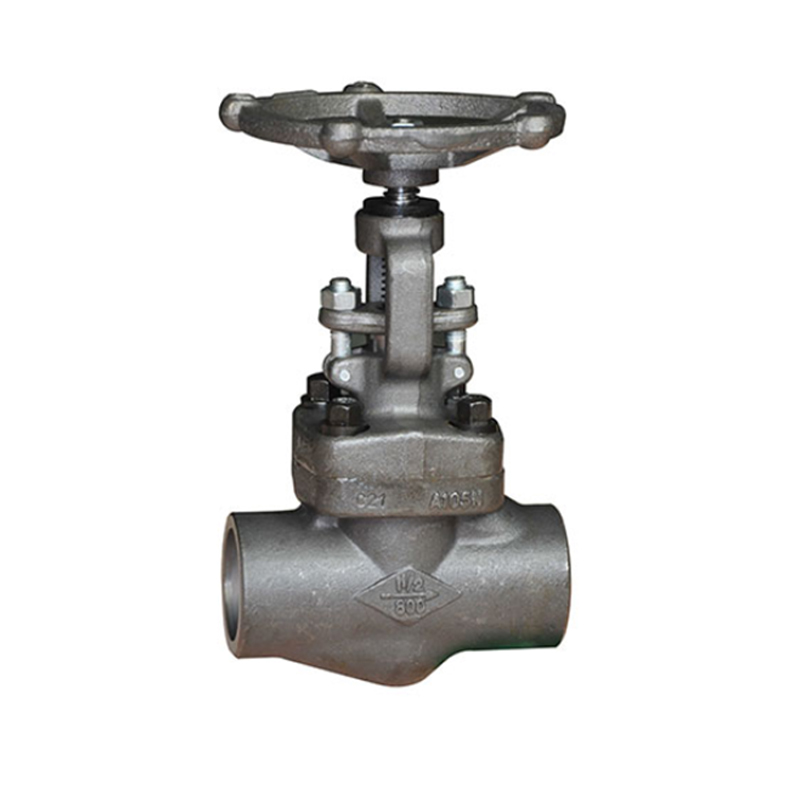
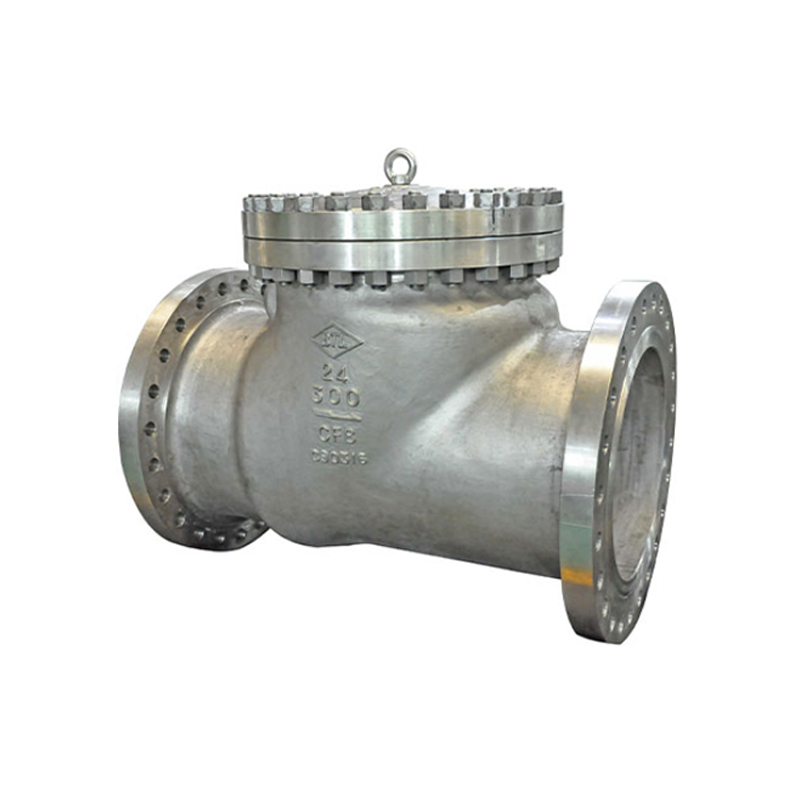
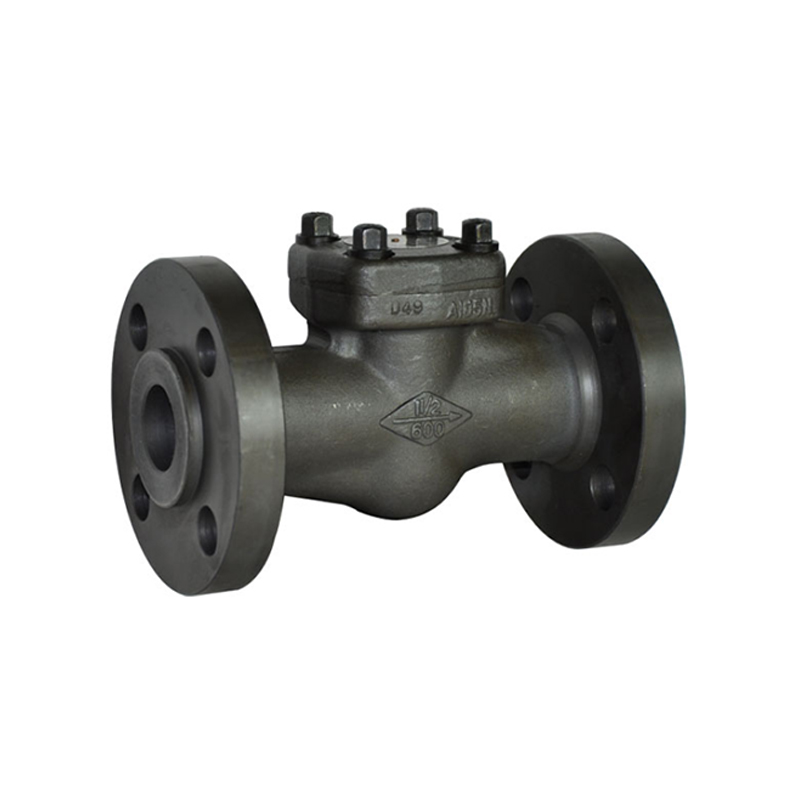
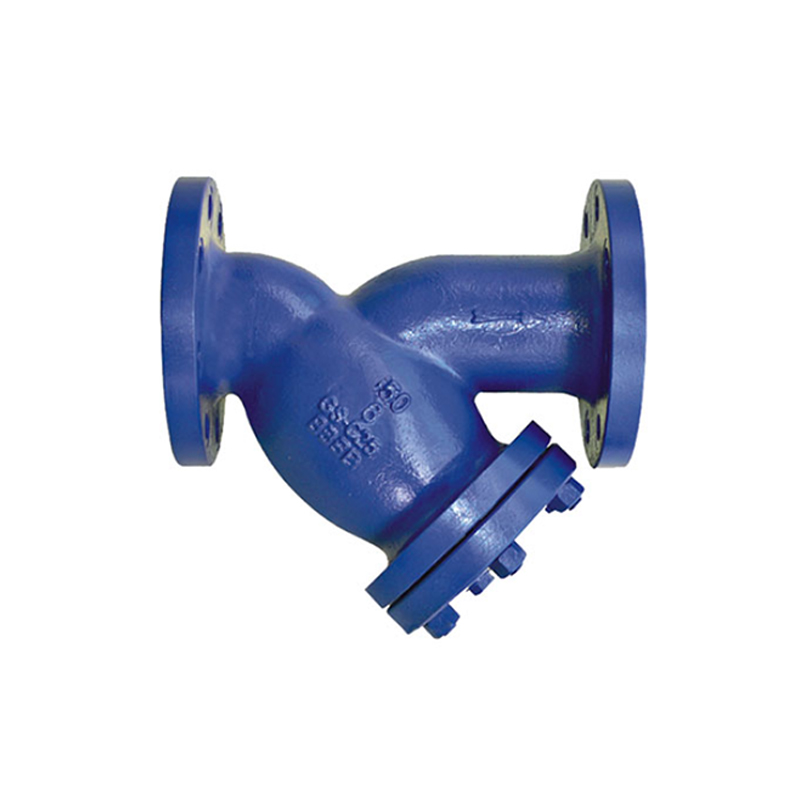

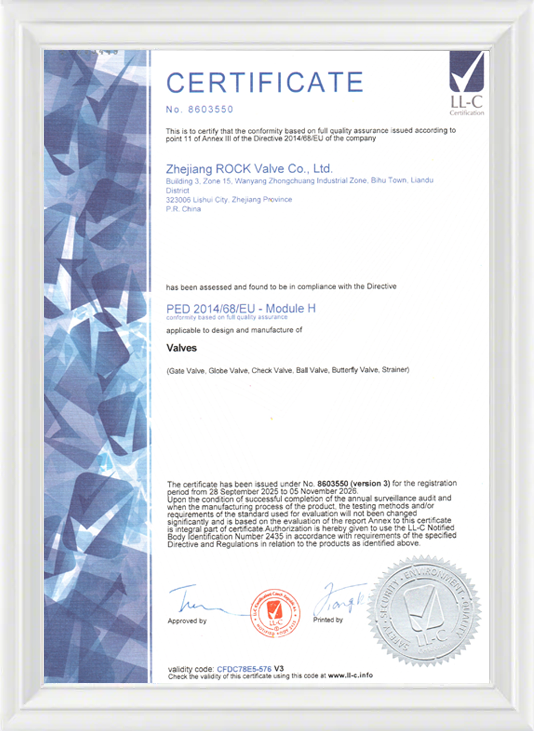
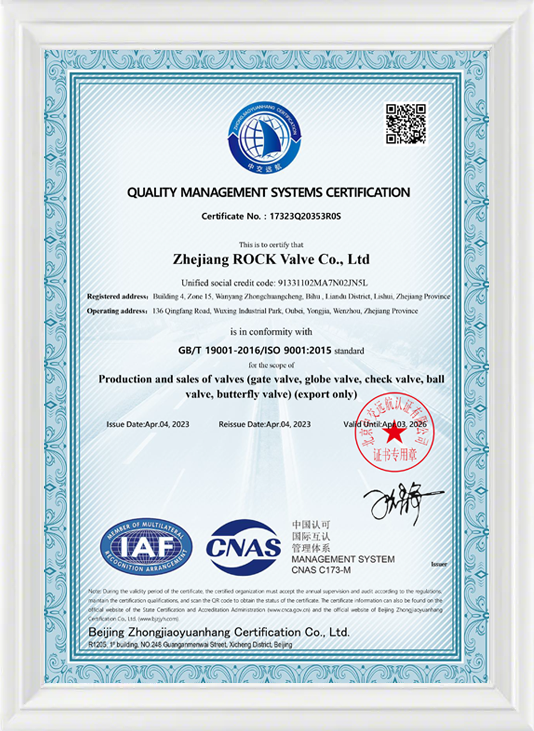
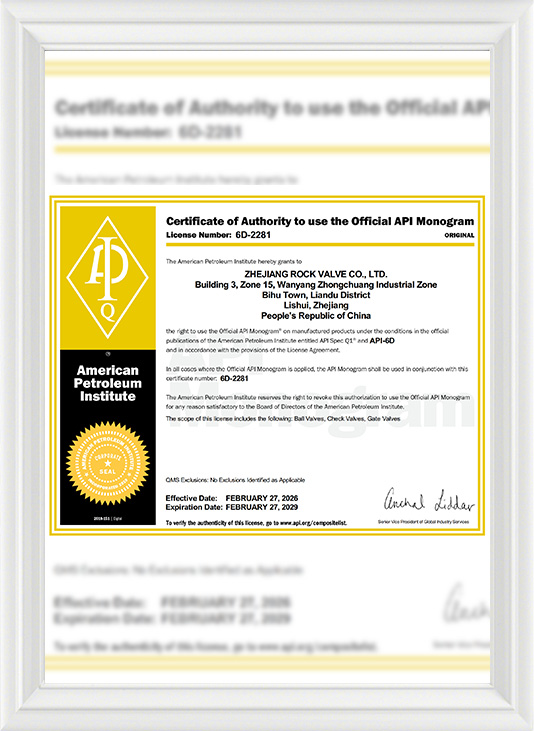
What Are DIN Standard Cast Steel Valves?
DIN (Deutsches Institut für Normung) standards specify engineering requirements commonly used in Europe and international industries. When applied to cast steel valves, these standards define dimensions, materials, tolerances, pressure classes, and testing methods. DIN standard cast steel valves are valued for their durability, consistent performance, and compatibility with global piping systems.
Key characteristics of DIN standard cast steel valves include:
Material Composition:
Made from premium-grade cast carbon steel or cast alloy steel.
Suitable for medium and high-temperature operations.
Pressure Ratings:
Typically classified under PN (Pressure Nominal) ratings such as PN16, PN25, PN40, and higher.
Each rating ensures the valve can manage specific pressure ranges within industrial systems.
Valve Types:
Common models include gate valves, globe valves, check valves, and ball valves designed according to DIN specifications.
Dimensional Compatibility:
Follows standardized face-to-face dimensions, flange sizes, and connection styles for easy integration into European and international pipelines.
Mechanical Strength:
Casting allows for robust construction, offering good resistance to mechanical stress and corrosion when appropriately coated or alloyed.
Testing Requirements:
Must comply with DIN/EN pressure testing standards, including hydrostatic and shell tests.
Applications:
Used in petrochemical plants, oil refineries, chemical processing facilities, and power generation stations.
What Are the Safety Standards for Cast Steel Valves in Petrochemical Applications?
Safety in petrochemical environments is critical due to the presence of flammable, corrosive, and high-pressure media. Cast steel valves used in these contexts must meet strict regulatory and industry standards to ensure operational reliability.
Key safety standards and considerations include:
1. International Compliance
- Valves for petrochemical systems must follow several global standards, such as:
- EN and DIN standards for dimensions, materials, and testing.
- API (American Petroleum Institute) standards, especially API 600 (gate valves), API 623 (globe valves), and API 594 (check valves).
- ISO 5208 pressure testing requirements.
2. Material Requirements
- Petrochemical processes often involve corrosive chemicals; therefore, cast steel valves must be made from materials that resist oxidation, corrosion, and heat.
- Cast carbon steel (e.g., ASTM A216 WCB/WCC) or cast alloy steels are common choices.
- Low-temperature service may require special grades such as LCC or LCB.
3. Fire-Safe Design
- Many petrochemical standards require fire-safe testing in line with API 607 or ISO 10497.
- Fire-safe valves retain operability or sealing ability even after exposure to fire conditions.
4. Pressure and Leak Testing
- Hydrostatic and pneumatic tests ensure the valve body and seat withstand operating pressures.
- Testing reduces the risk of leakage, which is crucial in environments containing volatile gases or liquids.
5. Fugitive Emission Control
- Petrochemical facilities increasingly adopt ISO 15848 for low fugitive emissions.
- Enhanced packing systems and graphite seals help minimize emissions.
6. Traceability & Quality Documentation
- Materials must have full traceability, including mill certificates, heat numbers, and quality inspection reports.
- These ensure that valves meet both regulatory and operational reliability expectations.
Cast vs. Forged Steel Valve: Which Is Better?
Cast and forged steel valves each offer advantages, and the choice depends on the application, operational conditions, and cost considerations. Both types are widely used in petrochemical systems, but they differ in manufacturing processes and performance characteristics.
Cast Steel Valves
Advantages:
- More economical for larger sizes.
- Complex shapes and internal geometries are easier to produce using casting.
- Good for general industrial and petrochemical applications.
Limitations:
- Casting may result in minor internal imperfections.
- Not always ideal for high-pressure systems.
Forged Steel Valves
Advantages:
- Produced through forging, providing a denser and stronger metal structure.
- Good performance under high pressure and high temperature.
- Lower risk of porosity and internal defects.
Limitations:
- Generally more expensive, especially in larger sizes.
- Limited availability in very large diameters due to forging constraints.
Which Should You Choose?
For high-pressure, high-temperature, or critical safety systems, forged steel valves are often preferred due to greater strength and structural integrity.
For standard petrochemical operations requiring reliable, economical solutions, cast steel valves remain a practical and widely accepted option.
The decision should consider pressure rating, medium characteristics, budget, and required safety certifications.
