


 English
 русский
 عربى
عربى Español
Industry News
Why Choose a Cast Steel Gate Valve for Steam Systems?
A Cast Steel Gate Valve is widely used in industrial pipeline systems where pressure, temperature, and mechanical strength matter. It is mainly applied to fully open or fully closed fluid flow rather than regulation. Engineers often select this valve type for steam, oil, gas, and water lines because it provides stable shut-off performance in demanding environments.
From a factory perspective, product selection usually starts with working pressure, operating temperature, and media type. A Cast Steel Gate Valve fits well when the system requiresa strong body structure and consistent sealing behavior over long-term operation. This explains why power plants, refineries, and chemical facilities rely on this valve type for critical isolation points.
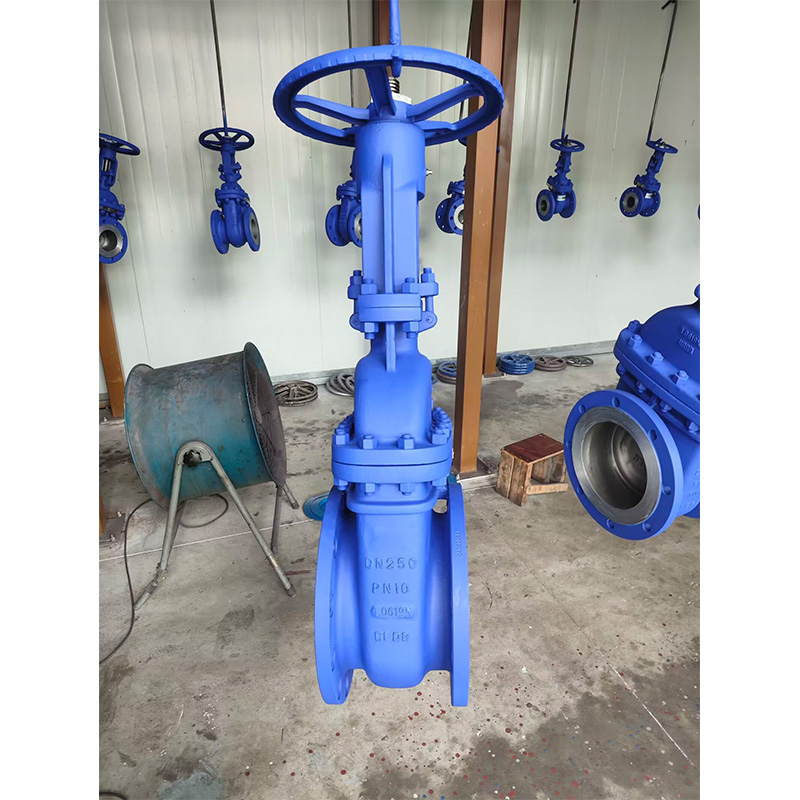
Why Cast Steel Gate Valve Works Well in High-Pressure Systems
High-pressure service puts continuous stress on valve bodies, seats, and stems. A Cast Steel Gate Valve is designed with thicker walls and a reinforced internal structure to handle such conditions. When fully open, the flow path remains straight, reducing pressure drop and turbulence.
One common issue in high-pressure lines is seat surface wear caused by partially open operation. Gate valves are not intended for throttling. When used correctly in either open or closed position, internal erosion is reduced, helping the valve maintain stable sealing performance. This operating principle is often explained by a Cast Steel Gate Valve Manufacturer during technical discussions with engineers.
Temperature Changes and Thermal Locking Considerations
Temperature fluctuation is another concern in steam and hot oil systems. When the temperature rises, the valve body and wedge expand at different rates. If the valve is closed at high temperature and later cools down, thermal locking may occur, making reopening difficult.
To reduce this risk, proper installation direction and operating procedures are important. Many designs include flexible wedge structures to adapt to temperature movement. An experienced Cast Steel Gate Valve Manufacturer usually recommends operating guidelines based on real project feedback rather than theoretical data alone.
Common Problems Seen in Field Operation
Even with solid design, a Cast Steel Gate Valve can face challenges if misused. One issue is internal leakage caused by worn seats after long periods of partial opening. Another concern is stem packing wear, which may result in external leakage around the stem area.
High pressure accelerates packing aging, especially in systems with frequent open-close cycles. Regular inspection and packing adjustment help control this issue. Using the valve strictly for isolation, not flow control, remains one of the practical ways to extend service stability.
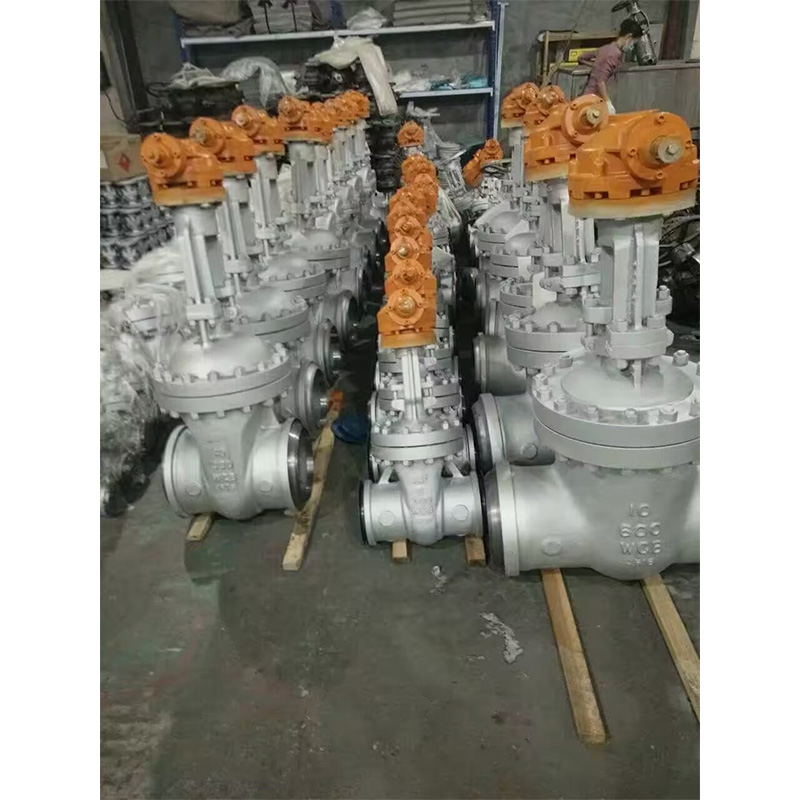
Engineers often compare cast steel and stainless steel gate valves during project planning. Stainless steel offers corrosion resistance in aggressive media, while cast steel focuses more on strength under pressure and temperature.
A Cast Steel Gate Valve is commonly selected for non-corrosive fluids such as steam, oil, and gas. It balances mechanical strength and cost control, making it suitable for large-scale industrial networks. Stainless steel valves are often chosen when chemical compatibility is a higher priority.
GB Standard Cast Steel Gate Valve in Global Projects
GB standard valves are frequently specified in projects designed around Chinese national standards. A Cast Steel Gate Valve manufactured under GB specifications follows clear dimensional and pressure rating rules, allowing smooth integration with matching piping components.
These valves are widely applied in power generation and petrochemical facilities. Many overseas projects also adopt GB standard products due to consistent specifications and stable supply capability from established factories.
Recommended Products
The variety of models, to meet the development needs of various regions in the world.
Copyright © ZHEJIANG ROCK VALVE CO., LTD.

Cast Steel Valves Stock Wholesaler