

 English
 русский
 عربى
عربى Español
Industry News
Home / News / Industry News / How Does A Low-Temperature Steel Globe Valve Work In Cryogenic Systems?
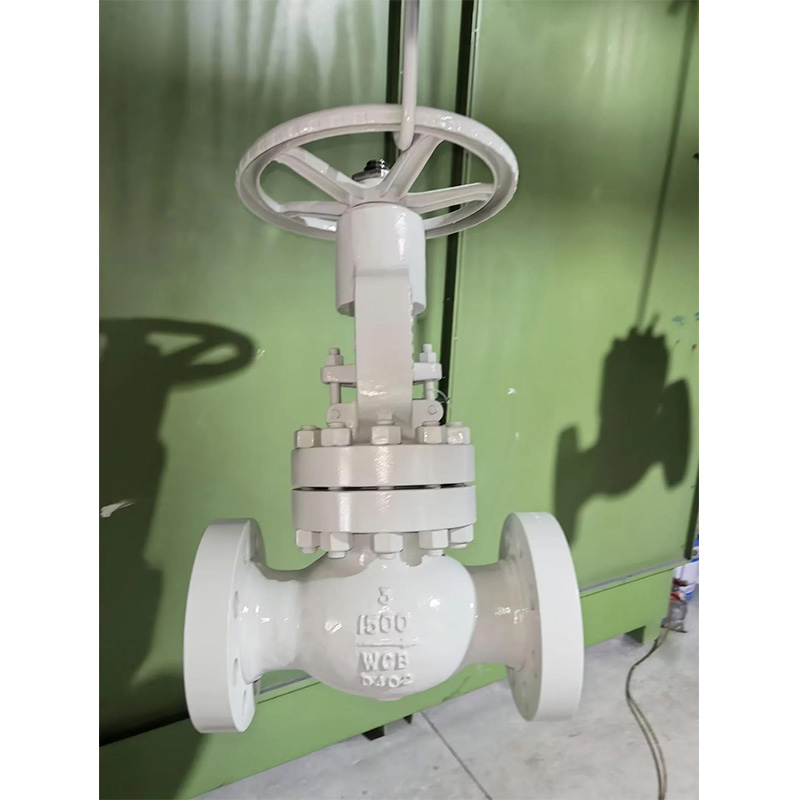
Low-temperature steel globe valves play a crucial role in industries dealing with cryogenic fluids or extremely cold environments. Understanding their materials, design, and operation helps prevent leakage, cracking, or failure. For many industrial pipelines, selecting the right low-temperature steel globe valve is essential for maintaining system reliability and stability.
A low-temperature steel globe valve is designed to control flow in pipelines where temperatures can drop far below freezing. Unlike standard globe valves, these are engineered using materials and structural designs that maintain toughness in sub-zero conditions. The valves often feature extended bonnets and special seals to protect internal components from cold exposure.
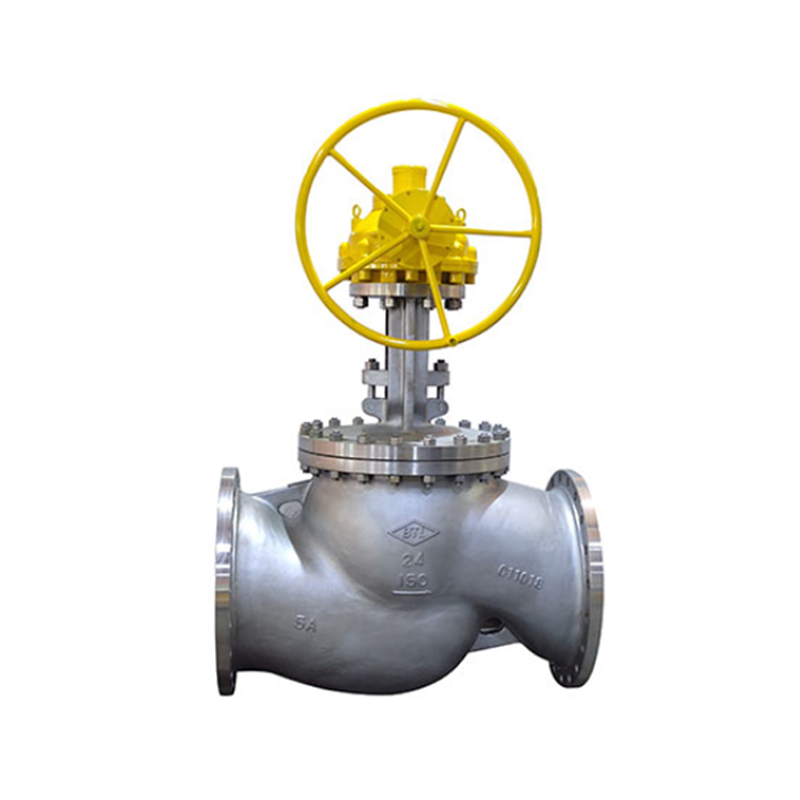
These valves are commonly used in LNG terminals, refrigeration systems, and liquid nitrogen pipelines, where maintaining safe flow control under extremely low temperatures is critical.
Low-temperature steel globe valves typically use carbon steel grades that maintain ductility at very low temperatures. Common materials include:
Using these materials reduces the risk of brittle fracture, which is one of the main concerns in cold service environments. For industries relying on cryogenic fluids, the correct material ensures valve integrity and long-term operational reliability.
Several design features make these valves suitable for extremely low temperatures:
These elements combined allow a low-temperature steel globe valve to maintain performance and reliability even in challenging cold applications.
Industries that use low-temperature steel globe valves include:
In all these applications, the valve must withstand pressure and thermal cycling while ensuring a tight seal. Selecting a reliable low-temperature steel globe valve prevents interruptions, leakages, or costly downtime.
Regular maintenance ensures continued performance:
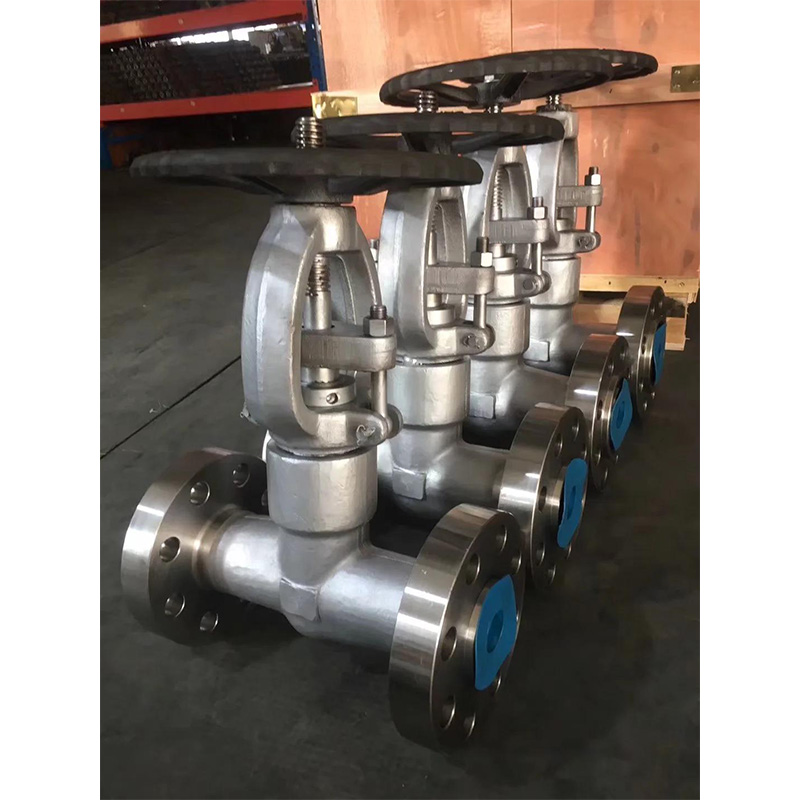
A proactive maintenance schedule from a reputable low-temperature steel globe valve manufacturer helps extend the valve's life and guarantees reliability in critical systems.
Manufacturers focus on material selection, precision casting, and impact testing to meet industry standards. Testing typically includes:
In industrial systems handling cryogenic fluids or extremely cold environments, a low-temperature steel globe valve provides reliable flow control while maintaining structural integrity. Choosing the right valve and a trustworthy low-temperature steel globe valve manufacturer ensures proper material selection, design, and testing, which together prevent leakage, brittle fracture, and operational disruptions. Understanding their features, applications, and maintenance needs helps industries keep pipelines and equipment running smoothly under challenging low-temperature conditions.
The variety of models, to meet the development needs of various regions in the world.
Copyright © ZHEJIANG ROCK VALVE CO., LTD.

Cast Steel Valves Stock Wholesaler