

 English
 русский
 عربى
عربى Español
Industry News
Home / News / Industry News / Why Choose a DIN Standard Cast Steel Valve for Your Industrial System?
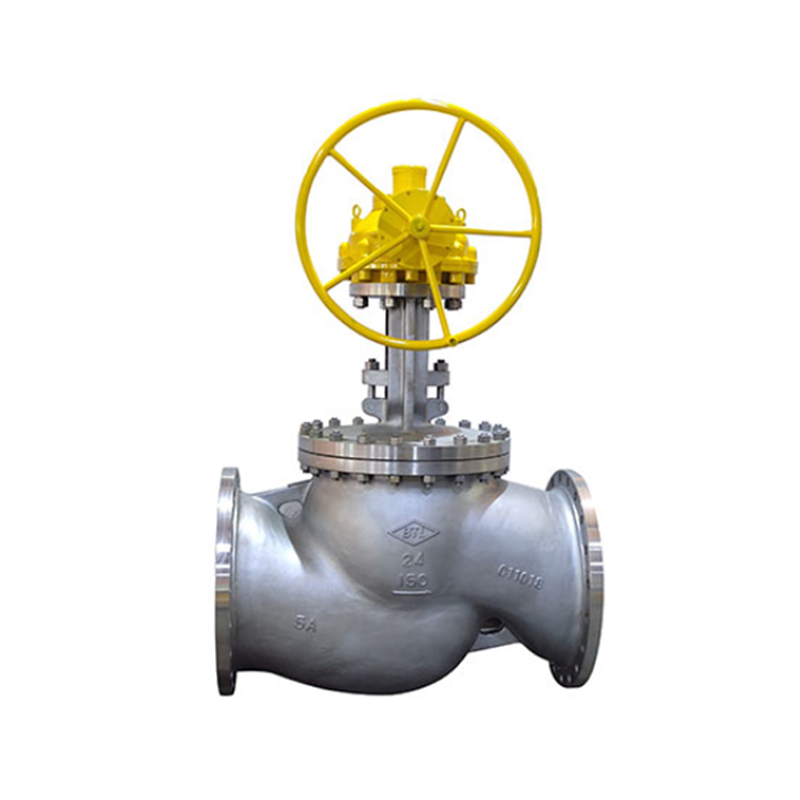
DIN Standard Cast Steel Valves are an essential part of modern industrial systems. These valves conform to the Deutsches Institut für Normung (DIN) standards, which are widely recognized in Europe and internationally. By understanding the key features and specifications of DIN Standard Cast Steel Valves, industries can make informed decisions about which valves are best suited for their operational needs.
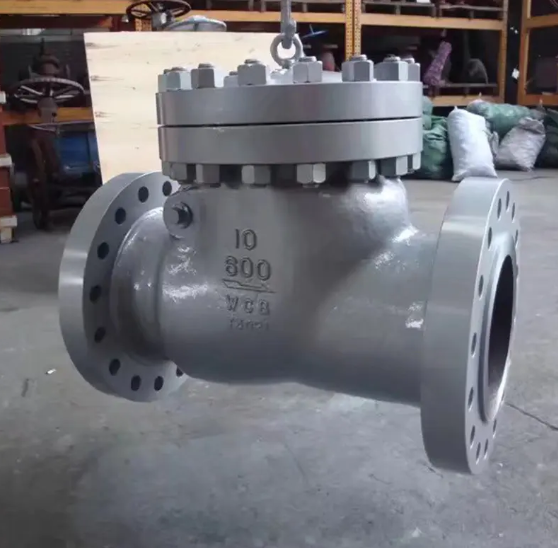
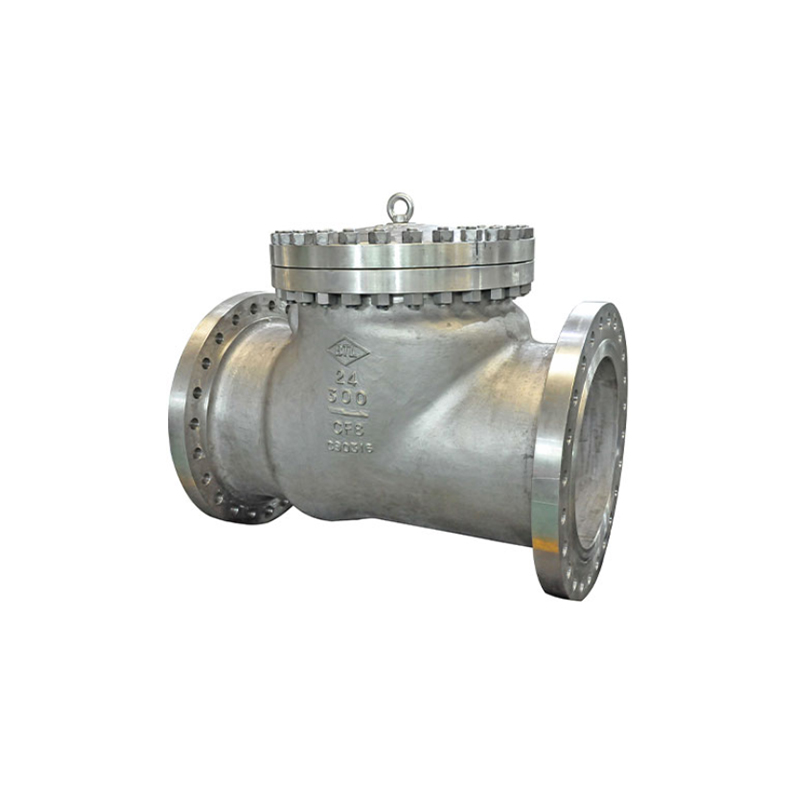
DIN Standard Cast Steel Valves are valves made from cast steel, designed to meet specific DIN standards that regulate aspects such as material, dimensions, and testing requirements. These valves are widely used across various industries, from petrochemical plants to power generation stations, because of their durability, consistency, and reliability.
The main advantage of using DIN Standard Cast Steel Valves is their compatibility with international systems. Due to the standardized dimensions and material specifications, these valves can be easily incorporated into existing piping systems worldwide. The robustness of cast steel also makes these valves suitable for a wide range of industrial applications, from water treatment plants to chemical processing.
Additionally, these valves are often more cost-effective compared to forged steel valves, especially in larger sizes. This cost efficiency, combined with their durability and reliability, makes them an ideal choice for many industrial operations.
When it comes to pressure, DIN Standard Cast Steel Valves are designed to handle various pressure ranges, depending on their classification. For example, valves rated PN16 can manage a pressure of up to 16 bars, while those rated PN40 can withstand up to 40 bars. This makes them versatile for different types of systems, from low-pressure water systems to high-pressure gas pipelines.
However, it's important to note that while these valves are suitable for medium-pressure applications, they may not be the best choice for extremely high-pressure systems, where forged steel valves may be preferred.
DIN Standard Cast Steel Valves are manufactured to comply with international standards, making them a reliable choice for industries worldwide. The DIN standards ensure that the valves meet essential specifications, such as materials, pressure ratings, and testing procedures, which guarantee their performance in a variety of applications.
In addition to DIN, these valves also often meet other international standards like the EN (European Norm), API (American Petroleum Institute), and ISO standards, which makes them versatile and globally accepted. This compliance is crucial for industries that require valves to perform consistently across different regions and under various conditions.
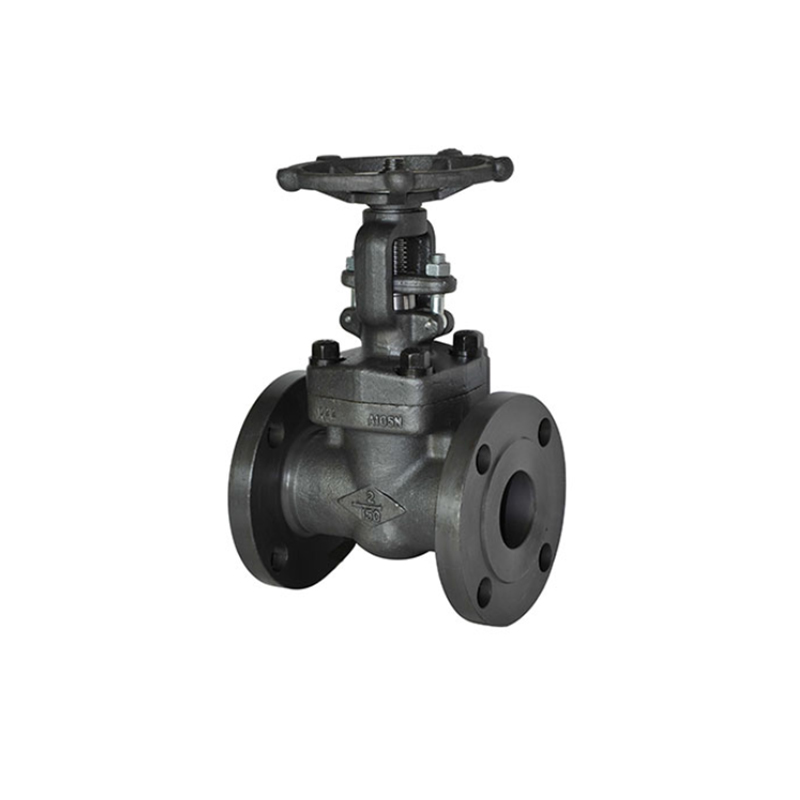
When choosing between DIN Standard Cast Steel Valves and other valve types, such as forged steel valves, it's important to consider the application. Cast steel valves are more economical and are suitable for medium-pressure applications. However, if you're dealing with extremely high pressures or temperatures, forged steel valves may be a better choice due to their superior strength and resistance to internal defects.
Selecting DIN Standard Cast Steel Valves from a reputable manufacturer ensures that your systems are equipped with valves that are durable, reliable, and in compliance with international standards. Whether you're upgrading an existing system or building a new one, these valves provide a solid solution for industrial fluid control needs.
DIN Standard Cast Steel Valves provide a highly reliable solution for industrial systems that require consistent performance and durability. Their compatibility with international standards makes them an ideal choice for various applications across industries, ensuring that businesses can maintain efficient and safe operations.
The variety of models, to meet the development needs of various regions in the world.
Copyright © ZHEJIANG ROCK VALVE CO., LTD.

Cast Steel Valves Stock Wholesaler