


 English
 русский
 عربى
 Español

Industry News
Where Are China Flanged Gate Valves Commonly Installed
Flanged gate valves turn up wherever an industrial piping system needs to regulate flow or shut it off completely. Both ends carry flanges that bolt to the pipeline, so the valve fits many kinds of equipment and installation settings. From municipal water networks to industrial plants, these valves manage how liquids move through connected pipes.
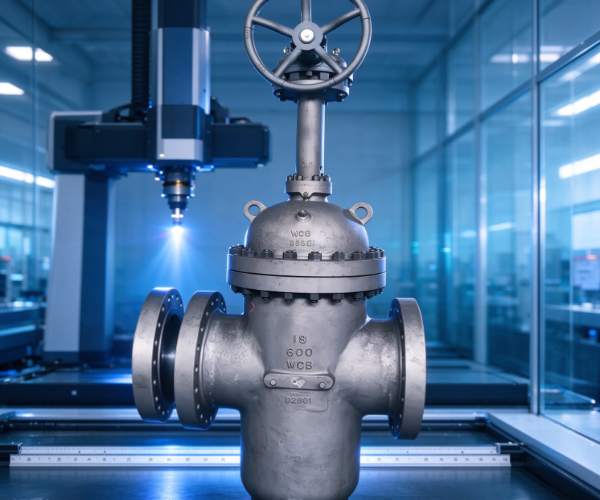
Industrial infrastructure keeps expanding, and so does demand for dependable pipeline components. China flanged gate valves are used in many engineering projects because they come in configurations for different pipeline layouts and operating conditions. They aren't tied to one industry. Water treatment facilities, power plants, chemical processing sites, municipal infrastructure, and other industrial environments all use them.
The flanged connection alone doesn't decide where a valve belongs. Fluid type, pipeline layout, maintenance needs, and operating conditions all play a part. Knowing the typical applications helps engineers, project planners, and equipment buyers choose pipeline valves with confidence.
What Makes Flanged Gate Valves Suitable for Industrial Pipelines?
A flanged gate valve controls flow with a movable gate. Open the valve and the gate lifts out of the flow passage, letting fluid through. Close it and the gate drops into place, blocking the passage.
Some valves are built for frequent flow adjustment. Gate valves are not. They're meant to be fully open or fully closed. That suits pipeline sections where fluid should move freely in normal operation and be cut off during maintenance or system changes.
The flanged connection is the other key feature. Each end has a flange that mates with a matching pipeline flange, and fasteners plus sealing components make the joint secure. Industrial piping favors this method because the valve can be installed, removed, and replaced without cutting the pipe.
Structural designs vary. Buyers will mostly meet rising stem and non-rising stem versions, and the difference affects both operation and the space needed.
A rising stem valve needs extra vertical clearance, since the stem climbs as the valve opens. A non-rising stem valve helps where headroom is tight. The choice depends on the available space and the pipeline's operating requirements.
Their main roles in industrial systems include:
- Pipeline isolation: Separating one pipeline section from the rest of the system.
- Equipment maintenance: Letting pumps, filters, and other components be serviced.
- Fluid passage: Offering a relatively unobstructed flow path when fully open.
- System management: Supporting the operation of different pipeline branches.
- Equipment replacement: Helping technicians disconnect selected sections without reworking the whole pipeline.
These traits explain why flanged gate valves are a common pick for industrial piping.
Where Are China Flanged Gate Valves Commonly Installed in Water Supply Systems?
Water supply is one of the most common application areas. These systems span water collection facilities, treatment plants, pumping stations, storage tanks, and distribution networks. Each section has its own operating needs, but all depend on reliable flow control and pipeline isolation.
In treatment plants, flanged gate valves usually sit along the main water pipelines. They help control how raw water, treated water, and other process fluids move between treatment stages.
Picture water passing through filtration equipment on its way to storage. When a filter needs cleaning or repair, that pipeline section must be isolated. A gate valve stops the water to that section while the rest of the plant keeps running.
Pumping stations are another key location. Pumps push water through pipelines into the distribution network. Valves placed near the pumps let technicians isolate equipment for inspection or maintenance, and they make individual branches easier to manage.
Municipal distribution networks use gate valves at important connection points too. A large network may serve homes, commercial buildings, public facilities, and industrial users. When a section leaks or needs repair, operators have to be able to stop the flow in that area.
Flanged gate valves installed at chosen points divide the network into manageable sections. Maintenance crews can then work on one area without shutting down the whole system.
Common installation locations include:
- Main water supply pipelines.
- Water treatment plant inlet and outlet lines.
- Pumping station connections.
- Water storage facility pipelines.
- Distribution network branch connections.
- Industrial water supply systems.
Valve selection should account for water quality, pipeline conditions, installation space, and local water system requirements.
Are Flanged Gate Valves Used in Wastewater Treatment Plants?
Wastewater plants handle water carrying suspended solids, organic matter, and other substances that must be removed or treated before discharge or reuse. Their piping is often more complex than an ordinary water distribution network.
Flanged gate valves can go in various parts of these facilities to support isolation and equipment maintenance. Where they fit depends on the fluid and the treatment process design.
In collection systems, valves may sit along incoming pipelines and transfer lines. These points let operators manage how wastewater moves between collection facilities and treatment units.
Inside the plant, gate valves may be placed around tanks, pumping equipment, and connecting pipelines. When a pump or treatment unit needs inspection, operators close the related valve to separate it from the rest of the system.
Sludge handling is another possible use. Treatment separates solids from water and collects them as sludge, which may travel through dedicated pipelines before further treatment or disposal.
Sludge can carry solid particles and other material that interfere with valve operation. Whether a standard flanged gate valve works depends on the fluid and the valve's internal design. Some applications need valves made specifically for wastewater or slurry service.
Sediment buildup is a risk as well. If solids collect around the gate or sealing surfaces, the valve can become hard to operate. Regular inspection catches these conditions early.
The installation environment counts too. Wastewater facilities can contain moisture, corrosive substances, and gases that attack external valve parts. Materials and protective measures should fit the surroundings.
Why Are China Flanged Gate Valves Installed in Power Plants?
Power plants depend on interconnected piping to carry water and other process fluids. These systems support cooling, water treatment, equipment operation, and other plant processes.
Flanged gate valves may be installed in water supply lines, cooling water networks, auxiliary systems, and selected service pipelines. Their main job is to isolate sections when equipment needs maintenance or the flow path must change.
In cooling water systems, large volumes of water flow through pipelines to carry heat away. Valves may be placed near pumps, heat exchangers, and pipeline branches, so operators can isolate individual components for inspection or repair.
Water treatment systems inside power plants use pipeline valves as well. Water quality matters for many plant operations, so water may pass through filtration, purification, and storage before reaching other equipment.
Gate valves can separate treatment units from the wider pipeline network. Maintenance teams get access to equipment without a full shutdown of unrelated systems.
Some power plant pipelines run under demanding conditions. Temperature, pressure, fluid composition, and operating procedures all shape valve selection. A standard gate valve shouldn't be assumed suitable for every steam or high-temperature job.
Engineers need to confirm that the valve materials, pressure class, sealing structure, and operating design match the real service conditions. The installation position should also leave enough room for operation and maintenance.
Can Flanged Gate Valves Be Installed in Chemical Processing Facilities?
Chemical plants use pipelines to move raw materials, intermediate products, water, and finished fluids. Production stages differ in chemical properties, so valve selection is a major part of pipeline planning.
Flanged gate valves can serve selected chemical plant pipelines that need full open and full close functions. They may appear around storage tanks, transfer lines, processing equipment, and utility systems.
Take a plant with several storage tanks tied into a shared pipeline network. Operators must control which tank feeds a given production section. Isolation valves at suitable connection points manage those flow paths.
Gate valves may also serve utility pipelines carrying water or other supporting fluids. These lines are separate from the main chemical processing lines but still matter in daily production.
Chemical compatibility is the big consideration. Fluids can react with valve body materials, internal components, and seals. A valve that works fine with ordinary water may fail with an acidic, alkaline, or solvent-based medium.
Before installation, engineers should examine:
- The chemical properties of the transported medium.
- The compatibility of the valve body material.
- The resistance of sealing components to the fluid.
- The temperature and pressure conditions.
- The possibility of corrosion or material degradation.
- The maintenance and inspection requirements.
Chemical facilities often follow strict safety procedures. Place the valve where operators can reach it safely. Clear identification and proper isolation arrangements help lower operational risks.
What Role Do Flanged Gate Valves Play in Oil and Gas Pipelines?
Oil and gas facilities run extensive pipeline networks to move and process different fluids. These networks can link storage areas, processing units, pumping stations, and supporting equipment.
Flanged gate valves may be used in selected pipeline sections where isolation is needed. They can sit around storage tanks, utility systems, equipment connections, and other parts of a processing facility.
In oil storage facilities, pipelines connect tanks to transfer pumps and other equipment. Isolation valves let operators separate individual tanks or branches when changing transfer routes or doing maintenance.
Gas processing facilities also have many interlinked pipelines. Some carry water, cooling fluids, and other supporting media. Gate valves may be used in these auxiliary systems when operating conditions suit the valve design.
This industry sets strict requirements for equipment, though. Not every flanged gate valve is fit for hydrocarbon service. Fire safety, pressure conditions, leakage control, and material compatibility must all be weighed.
For certain critical pipelines, other valve designs may suit the operating conditions and safety requirements better. Engineers should choose based on actual service and not assume a flanged connection makes a valve right for every pipeline.
Installation planning should also cover access, emergency operation, and inspection. A valve in an unreachable spot makes maintenance harder and slows the response to equipment problems.
How Are Flanged Gate Valves Used in Building and Municipal Infrastructure?
Flanged gate valves aren't limited to large industrial plants. They also serve building services and municipal infrastructure, including water distribution, fire protection networks, heating systems, and public utility pipelines.
In commercial buildings, water systems link storage tanks, pumps, and different building zones. Gate valves at main supply connections and branch pipelines let individual areas be isolated.
If a water pipe in one part of a building needs repair, technicians close the relevant isolation valve. Other areas stay undisturbed.
Municipal projects use valves in underground pipeline networks. Valve chambers give access to key connection points and let maintenance teams operate buried pipeline components.
In fire protection systems, valves control and isolate sections of the water supply network. Their use must follow applicable fire safety regulations and system design requirements. Valve type, installation position, and operating condition should match the approved protection system.
Heating and cooling networks are another possible use. They circulate water or other heat transfer fluids between central equipment and various buildings or areas, and isolation valves separate equipment and pipeline sections during inspection.
The table below outlines some common application areas.
| Installation Environment | Typical Pipeline Location | Main Function |
|---|---|---|
| Water treatment plants | Inlet and outlet pipelines | Isolating treatment units |
| Pumping stations | Pump connections and branch lines | Supporting equipment maintenance |
| Wastewater facilities | Transfer and treatment pipelines | Managing pipeline sections |
| Power plants | Cooling and auxiliary water lines | Isolating supporting equipment |
| Chemical plants | Storage and transfer pipelines | Separating selected process sections |
| Oil and gas facilities | Storage and auxiliary pipelines | Controlling pipeline isolation |
| Commercial buildings | Main water supply and branch lines | Managing building water systems |
| Municipal infrastructure | Distribution networks and valve chambers | Supporting network maintenance |
What Should Be Considered When Choosing an Installation Location?
Picking a location takes more than finding a convenient connection point. The valve must match the pipeline's operating conditions and stay accessible for daily operation and maintenance.
Several practical factors deserve attention during planning.
1. Pipeline direction and layout
Install the valve where it suits the pipeline design. Engineers need to consider flow direction, the arrangement of connected equipment, and the space around the valve.
A badly chosen position makes operation awkward and puts obstacles in the way of maintenance.
2. Operating space
Flanged gate valves need room to open and close. The stem structure affects how much clearance is required.
With rising stem valves, the stem must be able to travel upward without hitting ceilings, cable trays, or nearby equipment. Non-rising stem designs are worth considering where headroom is limited.
3. Maintenance access
Valves are mechanical parts that may need inspection, cleaning, or replacement. The location should let technicians reach the operating parts and flange connections.
A valve tucked behind other equipment or in a cramped space makes maintenance harder.
4. Fluid characteristics
The transported medium directly affects valve choice. Clean water, wastewater, oil, chemicals, and other fluids all behave differently.
Material compatibility, sediment formation, corrosion risks, and sealing requirements should be considered before choosing a valve for a given location.
5. Environmental conditions
Outdoor valves may face rain, sunlight, dust, and temperature swings. Indoor industrial settings may have moisture, chemical vapors, or other substances that affect valve materials.
Suitable protective measures reduce environmental damage and support regular maintenance.
6. System operation requirements
Some pipeline sections are isolated often, while others stay open for long stretches. Engineers should consider how the valve will be used and whether a gate valve fits the expected operating frequency.
Gate valves are generally meant for fully open or fully closed service, not continuous flow regulation. If the system needs frequent throttling or precise flow adjustment, another valve design is likely a better choice.
Recommended Products
The variety of models, to meet the development needs of various regions in the world.
Copyright © ZHEJIANG ROCK VALVE CO., LTD.

Cast Steel Valves Stock Wholesaler