


 English
 русский
 عربى
عربى Español
Industry News
What Does a Valve Stock Wholesaler Actually Do
Why Does This Role Matter in Real Projects?
In industrial work, small parts often decide how smoothly a system runs. Valves are a good example. They do not look complicated, but without them, many systems cannot function properly.
A valve stock wholesaler sits in a practical position inside this chain. They are not producing valves for each order. Instead, they keep commonly used items ready and available.
That simple idea changes timing. When something is needed, there is less waiting involved. This can make a difference in projects where delays are not easy to absorb.
Most people only notice this role when something is urgent. At that point, the value becomes more visible.
What Happens Behind the Scenes in Daily Work?
The work of a valve stock wholesaler is built around movement and preparation.
Inventory arrives, is sorted, and placed in storage. Items are grouped in a way that makes them easy to find later. At the same time, demand is constantly being observed.
Orders do not always follow a pattern. Some days are quiet. Others bring multiple requests at once.
A typical flow looks simple from the outside:
- Receive and check incoming stock
- Organize storage space
- Track what moves out quickly
- Prepare items for dispatch
Nothing here is random. Everything is shaped by what customers usually need.
Where Do They Sit in the Supply Chain?
A supply chain is rarely direct. It passes through several steps before a product reaches its final use.
The valve stock wholesaler sits between production and application. They are not the source of manufacturing, and they are not the end user either.
This middle position is useful. It helps absorb timing gaps. When production takes time, stock fills the gap. When demand rises suddenly, stored items can be released.
In many cases, they reduce waiting rather than change the product itself.
How Is Inventory Kept Under Control?
Inventory is the core of this work. Without it, the system loses meaning.
But keeping stock is not just about filling space. It is about deciding what stays and what moves out faster.
Some valves are requested often. These move in and out regularly. Others are used in specific situations and stay longer in storage.
A simple breakdown helps:
| Type of Stock | Role in Storage System |
|---|---|
| Frequently used | Regular movement |
| Standard items | General compatibility |
| Less common pieces | Specific system needs |
The goal is balance, not volume.
What Happens When Demand Becomes Urgent?
Urgency is where this role becomes most noticeable.
Industrial systems do not always wait. A replacement may be needed suddenly. A project may change pace without warning.
In these moments, production-based supply is too slow. This is where ready stock becomes important.
Instead of starting from scratch, items can be taken directly from available inventory and sent out.
This does not remove planning. It just shifts focus from making to availability.
Do They Only Store Products?
It is easy to think of this role as simple storage. In practice, there is more going on.
Different valves may look similar but behave differently in use. Matching the right item to the right request matters.
So part of the work involves checking whether what is available actually fits the need.
There is also coordination with buyers and suppliers. Sometimes details need clarification before dispatch.
It is not only storage. It is also sorting, checking, and aligning.
How Is Stock Decided in the First Place?
Stock decisions come from observation rather than guesswork.
Over time, patterns appear. Some items are always requested. Others appear only in certain projects.
Space is also limited. Not everything can be stored in large quantity.
So decisions are made based on movement:
- What moves often
- What stays too long
- What is likely to be needed soon
This balance changes over time as demand shifts.
Which Industries Depend on This Role Most?
Different industries use valves in different ways, but many rely on quick access.
Systems that run continuously cannot afford long delays. Maintenance work also depends on replacement parts being available quickly.
Because of this, valve stock wholesalers often support multiple sectors at the same time.
Common needs include:
- Replacement during maintenance
- Support for ongoing systems
- Backup supply for unexpected issues
- Parts for upgrades or adjustments
The focus is always on keeping systems running without long interruptions.
What Difficulties Come With This Work?
Although the idea sounds simple, the process has its challenges.
One issue is balance. Keeping too much stock ties up space. Keeping too little risks missing demand.
Another issue is timing. Demand is not always predictable. Some periods are calm. Others become busy without warning.
There is also variation in product types. Small differences in design can affect compatibility, which requires careful handling.
Transport and delivery conditions can also influence how smoothly things move.
How Is This Role Changing Over Time?
The basic idea of holding stock has not changed. What is changing is how quickly things need to move.
Requests are becoming more time-sensitive. Customers expect shorter waiting periods. This puts more pressure on availability.
Because of that, organization has become more important. Stock is tracked more closely. Movement is monitored more carefully.
Communication between supply and demand is also becoming more direct. This reduces confusion and helps speed up decisions.
The role is still centered on inventory, but the pace is different now.
Why Is This Work Often Overlooked?
From the outside, nothing about it looks complex. Products move in and out quietly.
But the impact shows up elsewhere. Systems keep running. Projects continue without delay. Repairs happen when needed.
When everything works smoothly, the storage step is easy to forget.
It is usually noticed only when something is missing. Otherwise, it stays in the background, supporting the flow without drawing attention.
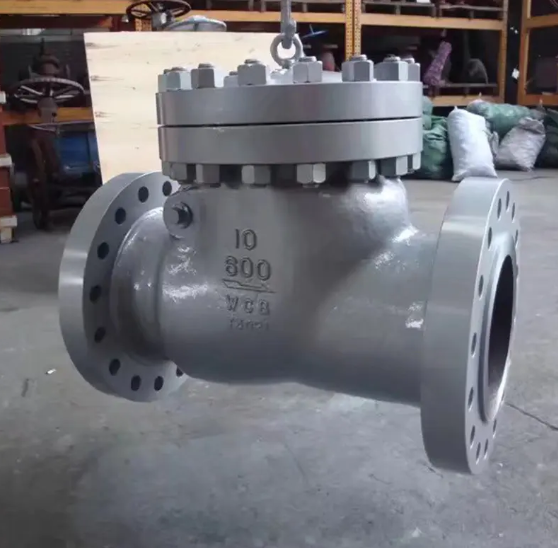
Recommended Products
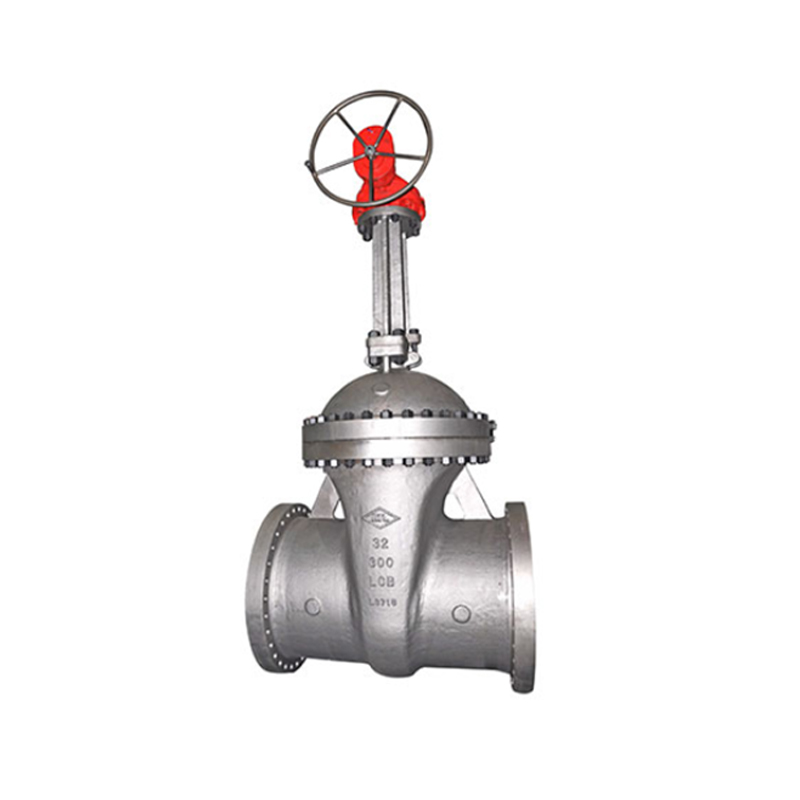
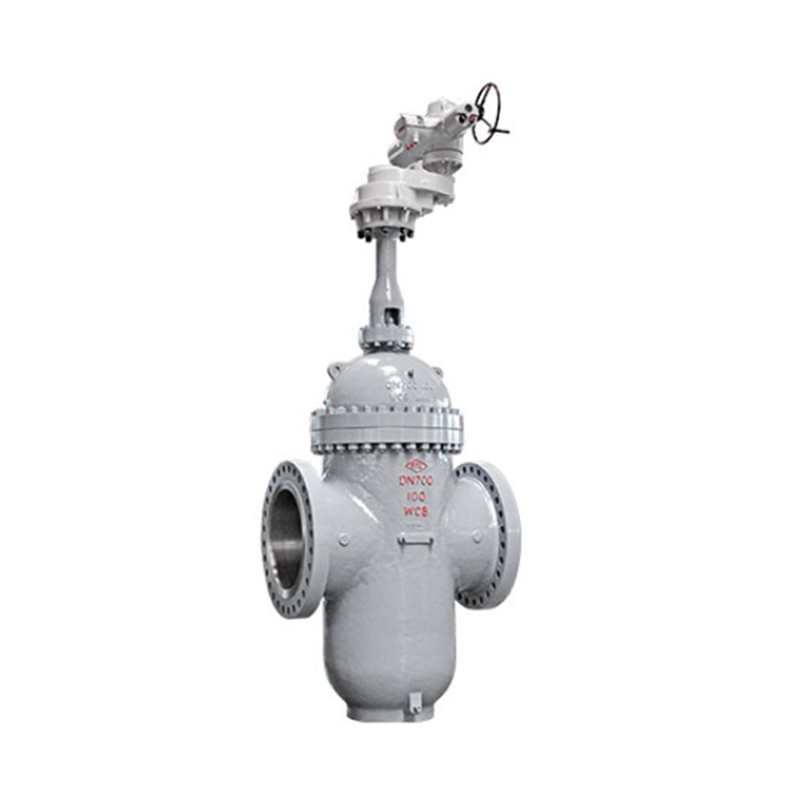
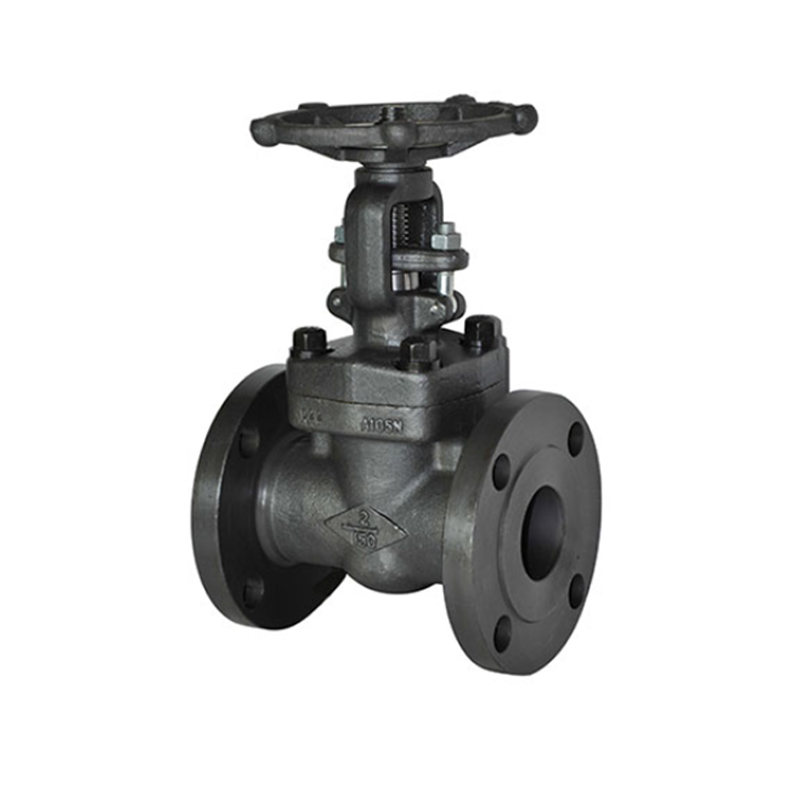
The variety of models, to meet the development needs of various regions in the world.
Copyright © ZHEJIANG ROCK VALVE CO., LTD.

Cast Steel Valves Stock Wholesaler