


 English
 русский
 عربى
عربى Español
Are API Cast Steel Globe Valve Suitable for High Temperature Environments
Heat is one of the most persistent stress factors in industrial pipeline systems. It does not arrive suddenly and leave quickly. It stays, builds, and shifts how materials behave over time. Pipes expand. Metal parts adjust their shape. Flow conditions become less predictable than in normal environments.
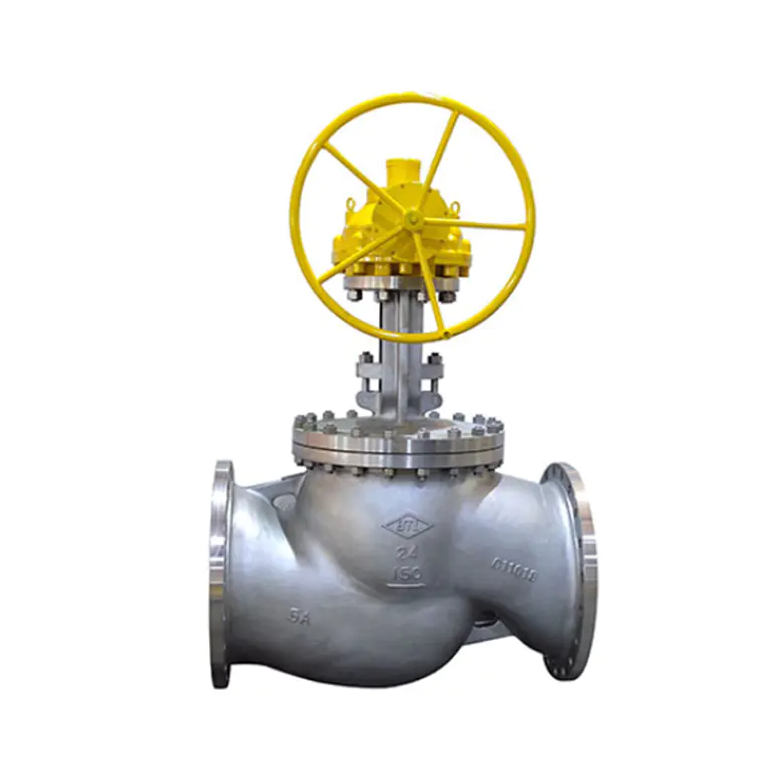
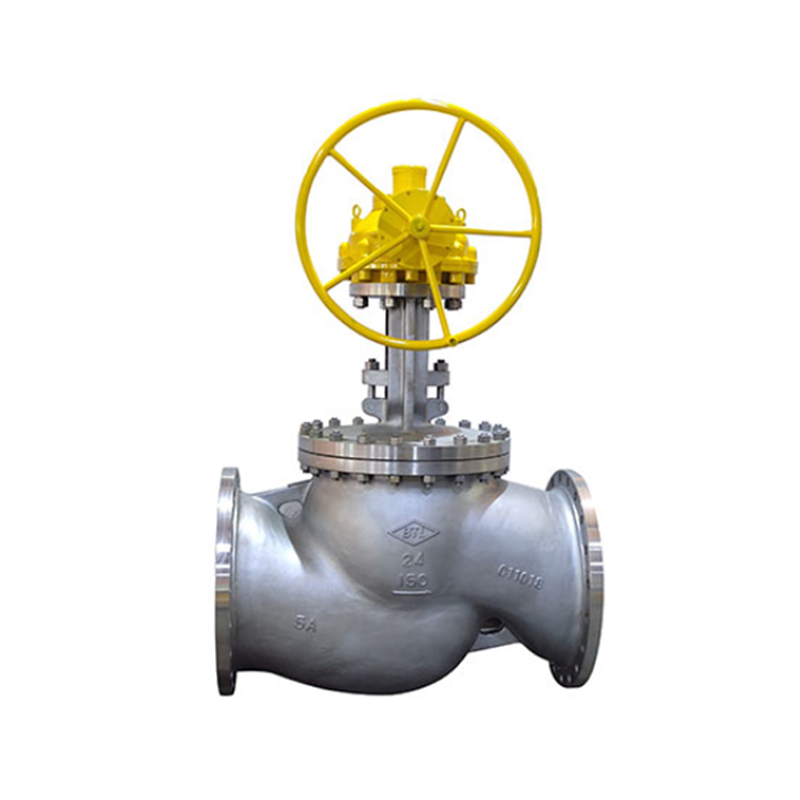
In this setting, an API cast steel globe valve is often considered for flow control tasks. It is used where gradual adjustment matters more than quick switching. The question is not only whether it can survive heat. The more practical concern is how it behaves after long exposure.
What makes high temperature conditions difficult for valve operation?
High temperature is not a single condition. It changes in layers. Some systems heat up slowly. Others cycle between hot and cooler states during operation.
Inside pipelines, heat can influence:
- Metal expansion across connected parts
- Movement resistance inside the valve body
- Surface contact behavior during closure
- Stability of flow direction over time
These changes are subtle at first. A valve may still operate normally in early stages. Over time, small shifts begin to appear. Movement may feel slightly different. Closing action may require more attention. Flow adjustment may respond in a less predictable way.
Heat also interacts with pressure. When both are present, internal stress becomes more complex. This is where material choice and structure start to matter more clearly.
How does a cast steel globe valve handle structural stress?
A globe valve is built around controlled movement. The internal structure guides fluid through a regulated path. Instead of a simple open or close motion, it supports gradual adjustment.
The cast steel body gives the valve a solid external frame. It is not a lightweight structure. It is designed to remain stable even when surrounding conditions change.
Inside, the moving element shifts position to regulate flow. This movement is repeated many times during operation. Under heat, both the body and internal parts expand slightly. The goal is not to eliminate expansion, but to keep it balanced.
When balance is maintained, movement remains steady. When imbalance appears, operation may feel less smooth.
Does cast steel behave differently under continuous heat exposure?
Cast steel reacts to heat in a gradual way. It does not change suddenly. Instead, it adjusts slowly across time.
One noticeable behavior is distribution of thermal influence. Heat spreads across the body rather than concentrating in a single point. This reduces uneven stress inside the structure.
Still, long exposure introduces natural changes:
- Slight variation in internal clearance
- Slow adjustment of surface contact areas
- Minor shift in movement resistance
- Gradual change in sealing feel
These changes are not immediate failures. They are part of long-term adaptation to environment conditions.
Performance depends on whether these changes remain controlled or become disruptive.
How does flow behavior respond to temperature changes?
Inside a pipeline, flow is not constant in behavior. Temperature influences how fluids move through the system.
In higher temperature conditions, fluid movement may become more active or less stable depending on material type. This affects how the valve regulates passage.
A globe valve controls flow by adjusting internal position. When temperature changes, the response of that internal movement may shift slightly.
Common observations include:
- Variation in adjustment smoothness
- Small changes in resistance during movement
- Different response speed during regulation
- Slight change in flow consistency at partial opening
These effects are gradual. They are more noticeable in long operation cycles rather than short use periods.
What role does sealing behavior play under heat conditions?
Sealing parts are the most fragile components inside a valve. They decide whether fluid can be fully blocked when the valve shuts, as well as how to regulate flow when it's half open.
Heat slowly alters the working state of seals. All materials expand when heated, which shifts the matching contact faces and slightly redistributes the compression force on the seal.
In real working scenarios, this brings several noticeable changes:
- Minor gaps forming that weaken the sealing tightness
- A different touch when twisting or closing the valve
- Unstable performance after opening and closing many times
- Slow deformation of the sealing contact surfaces
These small shifts don't always make the valve fail to work. They just show how sealing materials adapt after long exposure to high temperatures.
Instead of expecting the seal to act exactly the same as when new, we should focus on whether it can stay reliable after long hours of heating.
How does long-term use in heat influence valve behavior?
Long-term exposure is where most differences appear. A valve used in a stable environment behaves differently from one exposed to continuous heat cycles.
Over time, heat can influence:
- Internal surface smoothness
- Movement alignment consistency
- Response stability during adjustment
- Interaction between moving parts
These changes are slow and often difficult to notice in daily operation. They become clearer when comparing early and later stages of use.
The structure of cast steel helps reduce extreme changes, but it does not stop natural material behavior. Instead, it slows and stabilizes the process.
How important is installation in high temperature performance?
Installation is often underestimated in thermal systems. A valve may have strong material support, but poor placement can reduce stability.
In high temperature environments, installation conditions affect:
- Heat distribution across the valve body
- Stress concentration in connected pipelines
- Alignment of internal flow path
- Exposure level to external heat sources
If heat is uneven, one part of the valve may expand more than another. This creates imbalance in movement. Over time, this can influence operational smoothness.
Proper placement helps reduce uneven thermal load. It allows the valve to operate under more balanced conditions.
Can operating patterns influence thermal stability?
The way you operate a valve directly changes how heat interacts with its moving parts. A valve you switch often won't perform the same as one left untouched for days on end.
If the valve sees regular use while hot, constant movement eases internal pressure evenly across all components.
On the flip side, valves that sit idle hold steady heat with barely any motion. This builds up uneven stress inside the valve housing.
A few key habits alter its thermal performance:
- How often you open and close the valve
- How long it stays fully open or shut
- How fast you adjust the flow
- Whether you follow a regular, steady operating routine
Stable, consistent usage habits let the valve hold predictable performance even under sustained heat.
How does a globe valve compare in heat-related flow control?
Different valve types respond differently to thermal conditions. A globe valve is mainly used for controlled adjustment rather than sudden flow changes.
In high temperature systems, its behavior is often described by steady response rather than rapid switching. This makes it suitable for applications where flow must be managed gradually.
Its key characteristics include:
- Controlled movement during adjustment
- Stable internal alignment under pressure
- Predictable response across repeated use
- Suitability for partial flow regulation
These qualities make it a common choice in systems where heat and flow control must work together in balance.
What maintenance behavior supports long-term heat operation?
Maintenance in high temperature systems focuses on observation and stability rather than correction after failure.
Key attention points include:
- Checking movement smoothness during operation
- Observing sealing contact behavior over time
- Monitoring internal resistance changes
- Reviewing surface condition during inspection
Heat exposure does not cause immediate issues in most cases. Instead, it creates slow changes. Maintenance helps track these changes before they affect system performance.
Simple and consistent checks often provide better long-term results than occasional heavy maintenance actions.
How does system balance determine suitability?
Suitability for high temperature environments is not determined by one factor alone. It depends on how material, structure, installation, and operation interact over time.
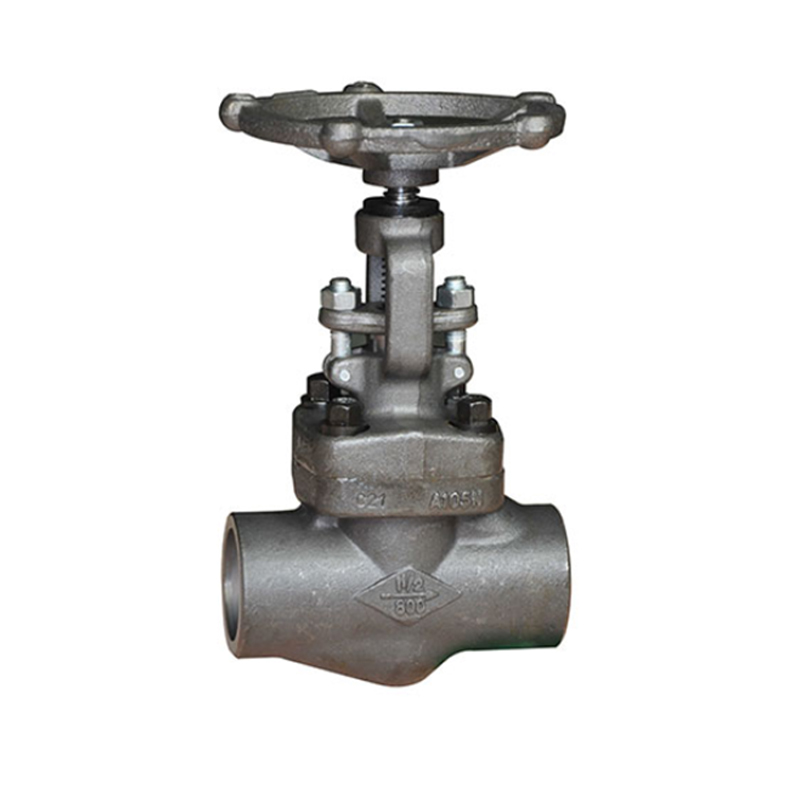
An API cast steel globe valve operates within this combined system. It reacts to heat, pressure, movement, and pipeline conditions together. Its behavior is shaped by the environment it works in.
When conditions remain balanced, performance tends to stay steady. When conditions are uneven, changes appear more quickly.
High temperature suitability is therefore not a fixed state. It is a continuous relationship between equipment and operating environment.
Recommended Products
The variety of models, to meet the development needs of various regions in the world.
Copyright © ZHEJIANG ROCK VALVE CO., LTD.

Cast Steel Valves Stock Wholesaler