


 English
 русский
 عربى
عربى Español
Industry News
Where Are Flanged End Cast Steel Globe Valve Applications Common?
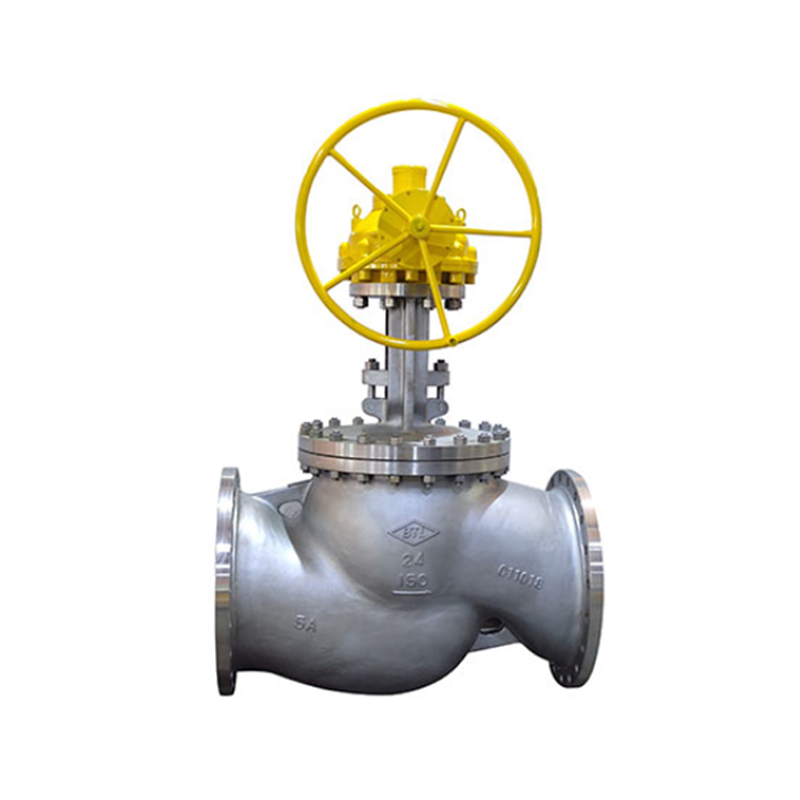
A Flanged End Cast Steel Globe Valve is widely used in industrial pipelines to regulate or stop the flow of liquids and gases. Unlike gate valves, globe valves allow more precise control over flow rates. Their design features a movable disc that presses against a stationary seat within a spherical-shaped body. This linear contact ensures a tight seal when closed and smooth throttling when partially open.
The flanged ends make installation and maintenance easier because they provide a secure, bolted connection to the pipeline. This design also allows for easy removal of the valve without dismantling large sections of the piping system.
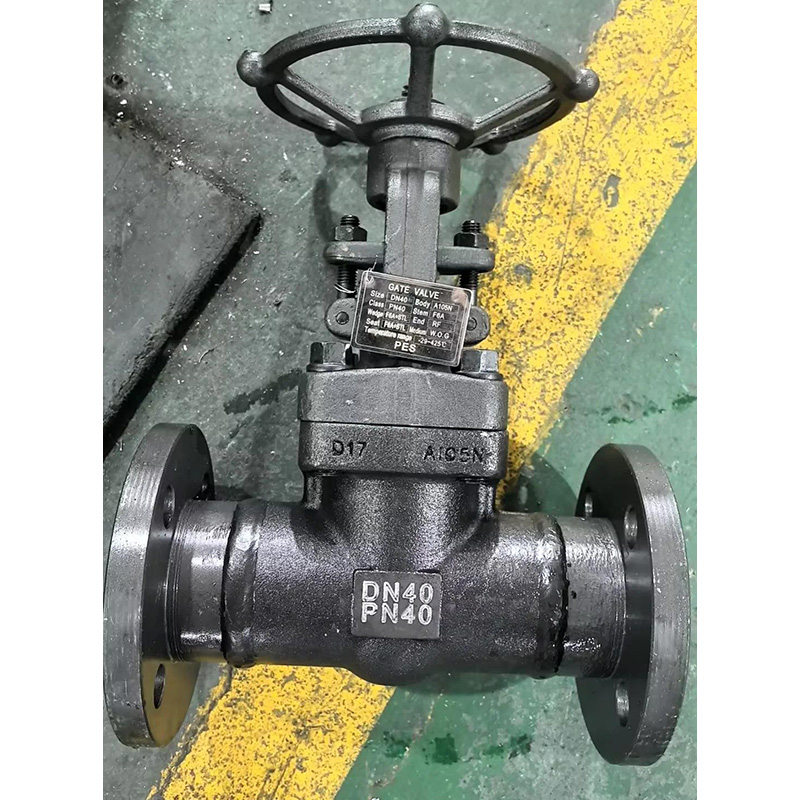
Flanged End Cast Steel Globe Valves are versatile and are applied across many industries:
- Petrochemical pipelines – For crude oil, refined products, and chemical processing, where precise control of flow and pressure is critical.
- Steam and power generation systems – The valves can handle high-temperature steam and ensure safe operation in boilers or turbine systems.
- Water treatment plants – Used to regulate water flow and control chemical dosing accurately in municipal and industrial water systems.
- Oil and gas facilities – Protect pipelines by providing quick shut-off capability during emergencies or maintenance.
These valves are particularly effective where frequent operation is needed because their design allows short stem travel for faster opening and closing.
Material Selection and Durability
The materials used in a flanged-end cast Steel Globe Valve directly affect performance and lifespan. Standard carbon steel, such as ASTM A216 WCB, is commonly used for general service. In high-temperature or corrosive environments, alloy steels or stainless steels may be required.
For low-temperature applications, such as LNG pipelines or refrigeration systems, valves often use ASTM A352 grades like LCB or LCC. These materials maintain toughness at very low temperatures, reducing the risk of brittle fractures. The valve's internal components, such as gaskets and packing, are also selected based on temperature and chemical compatibility.
Maintenance and Longevity
Routine maintenance is essential for ensuring consistent operation and extending the life of Flanged End Cast Steel Globe Valves. Key steps include:
- Visual inspection and cleaning: Remove sediment or debris that may interfere with the sealing surfaces.
- Lubrication of moving parts: The valve stem should move smoothly to avoid sticking or excessive wear.
- Seal and gasket replacement: Over time, seals may wear or harden; timely replacement prevents leakage.
- Pressure and leak testing: Regular hydrostatic and functional tests ensure the valve operates reliably under system pressure.
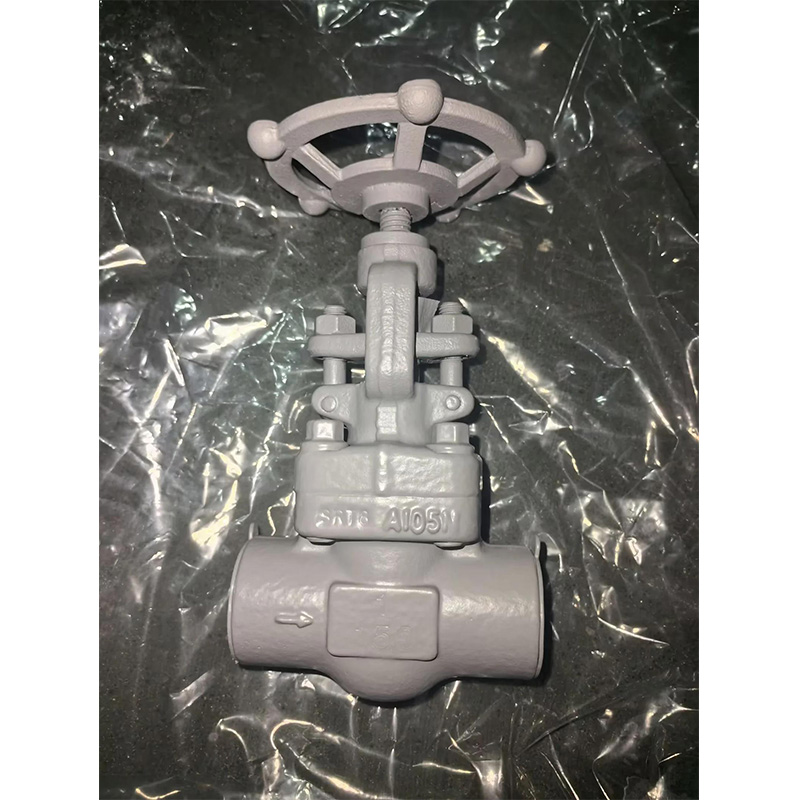
A well-maintained valve reduces the risk of unexpected downtime and ensures the pipeline system operates efficiently.
Pressure and Testing Standards
Flanged End Cast Steel Globe Valve Manufacturers often follow API standards to guarantee performance.
Typical pressure classes include Class 150, 300, and 600, depending on system pressure and temperature. API compliance assures engineers and operators that the valve meets consistent industrial performance standards.
Special Features for Cold or High-Pressure Service
Some Flanged End Cast Steel Globe Valves are designed for extreme conditions:
- Low-temperature service: Extended bonnet designs protect stem packing, impact-tested materials maintain strength, and gaskets resist brittle failure. These valves are used in cryogenic applications, such as LNG terminals or liquid oxygen pipelines.
- High-pressure systems: Precision machining, reinforced body construction, and reliable sealing ensure safe operation under elevated pressure conditions.
Selecting the right manufacturer ensures the valve is suited to the specific operational environment, whether extreme cold, high pressure, or frequent operation cycles. By prioritizing these factors, industries can achieve stable operation, reduce maintenance issues, and maintain safe flow control across critical systems.
Recommended Products
The variety of models, to meet the development needs of various regions in the world.
Copyright © ZHEJIANG ROCK VALVE CO., LTD.

Cast Steel Valves Stock Wholesaler