

 English
 русский
 عربى
عربى Español
Industry News
Home / News / Industry News / How Do DIN Standard Cast Steel Valves Fit International Pipeline Systems?
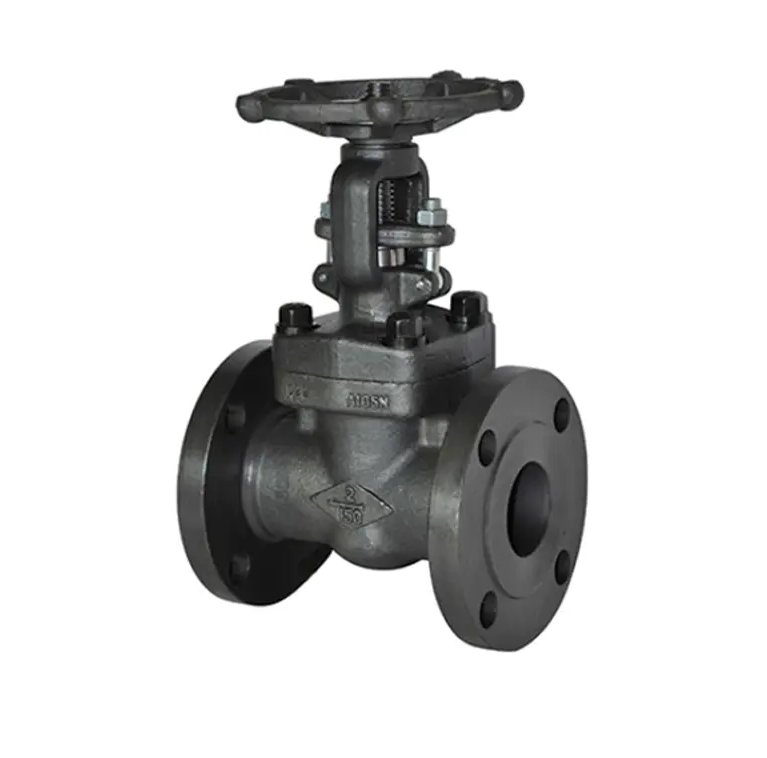
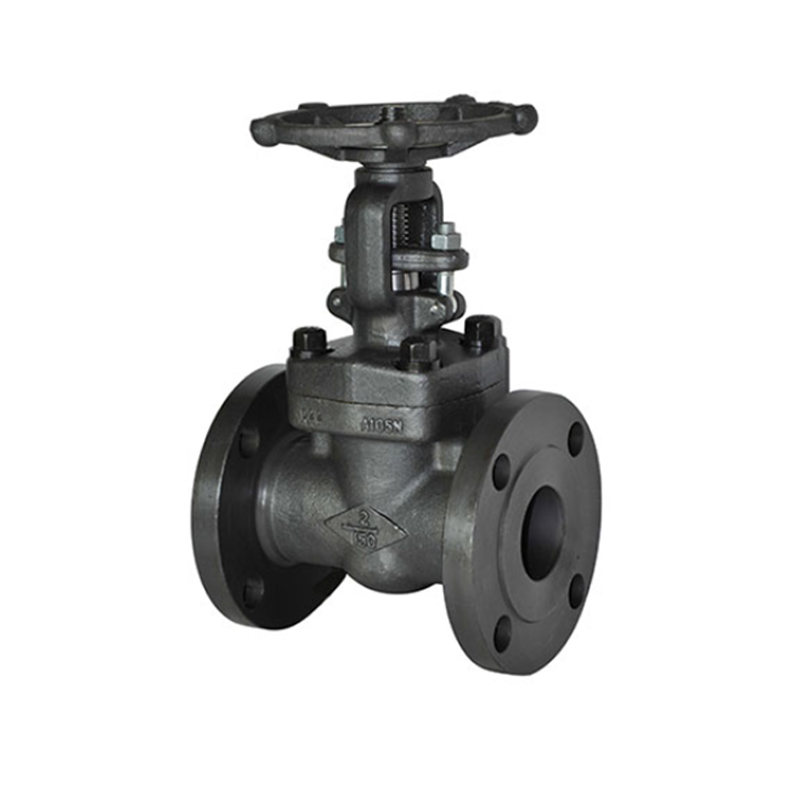
Companies working in petrochemical, chemical, and power generation environments pay close attention to valve specifications because these systems depend on consistent performance and mechanical strength. Many procurement teams choose DIN Standard Cast Steel Valves to match European and international requirements. These valves follow clear dimensional rules, material grades, and pressure classifications, making them easier to integrate into complex piping networks. As a result, buyers often seek reliable DIN Standard Cast Steel Valves Manufacturers who understand both technical demands and delivery expectations.
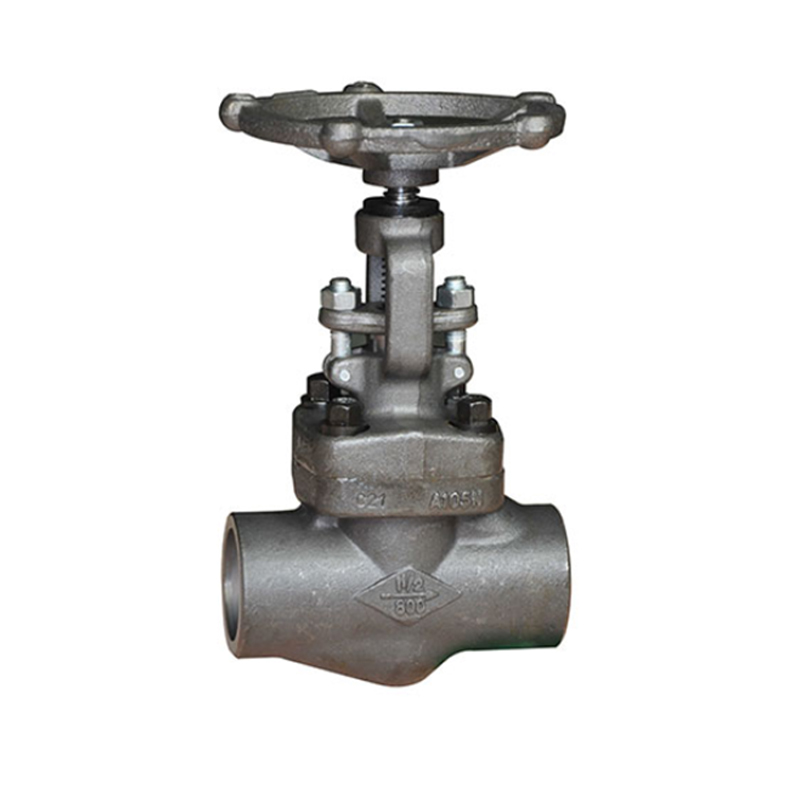
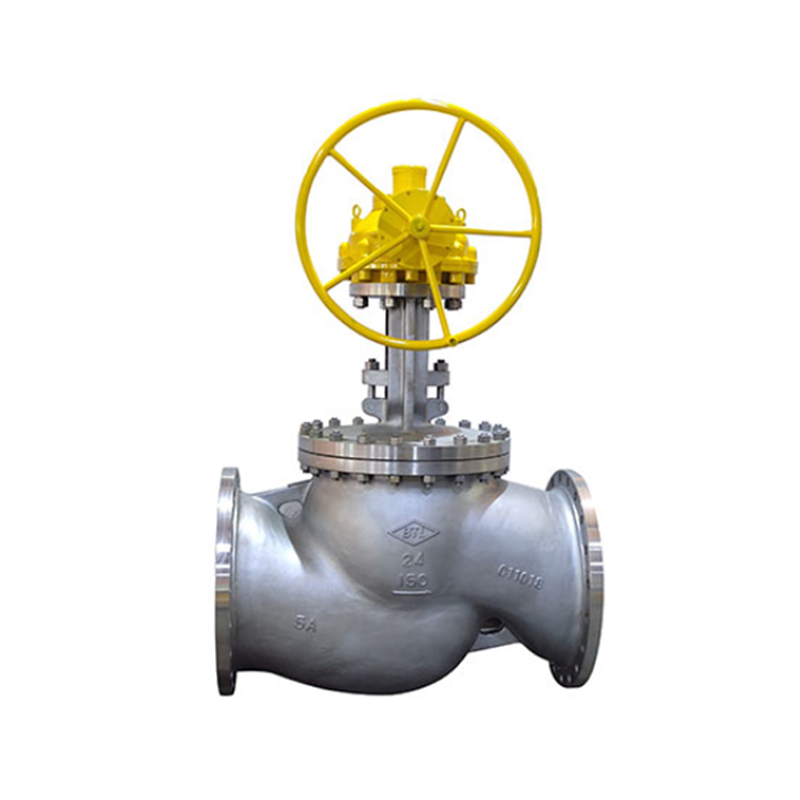
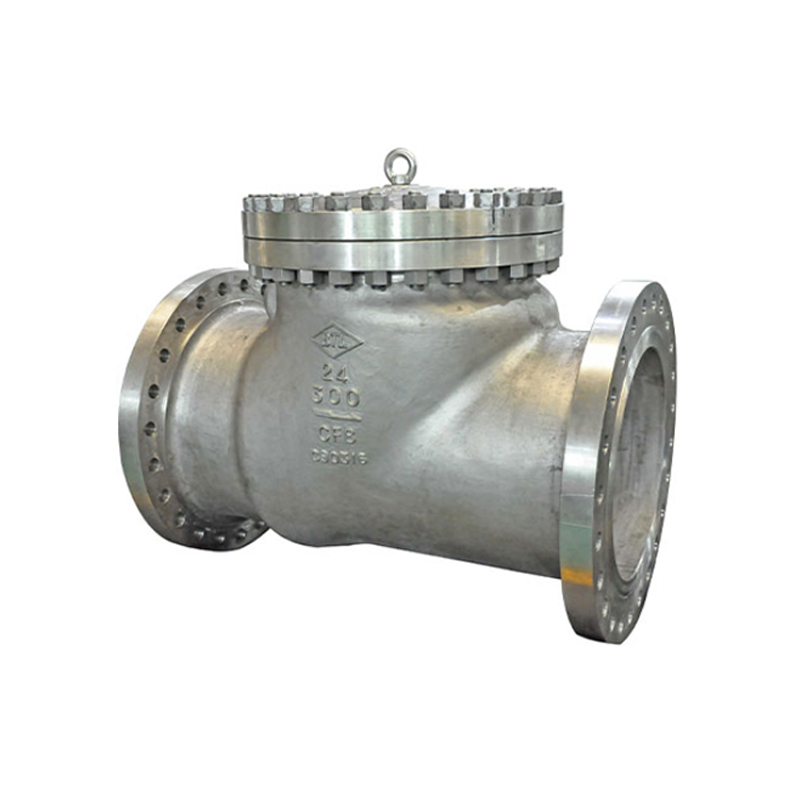
Industrial projects often run under pressure—tight timelines, strict documentation control, and demanding media conditions. DIN standards help remove uncertainty by defining the face-to-face dimensions, flange patterns, and testing methods for gate, globe, check, and ball valves. When buyers select DIN Standard Cast Steel Valves, they know the valve will fit into their existing system without extra modification.
Cast steel materials used in these valves provide solid mechanical strength for medium- and high-temperature service. Grades such as carbon steel and alloy steel handle thermal stress well, making them suitable for refineries and chemical facilities. Technical teams value this predictability, especially when planning maintenance shutdowns.
Different plants operate under different pressure ranges, which is why DIN standards categorise valves under PN levels such as PN16, PN25, and PN40. This helps users match the valve's capability with system conditions. Hydrostatic and shell tests required by DIN/EN rules confirm the valve's integrity before installation. For procurement staff, this reduces the risk of receiving valves that need retesting or show irregularities.
This is one area where experienced DIN Standard Cast Steel Valves Manufacturers provide additional value. They follow strict production controls and maintain documentation that technical auditors often request—material traceability, heat numbers, and pressure test results. These records are important in petrochemical settings where operational reliability is closely monitored.
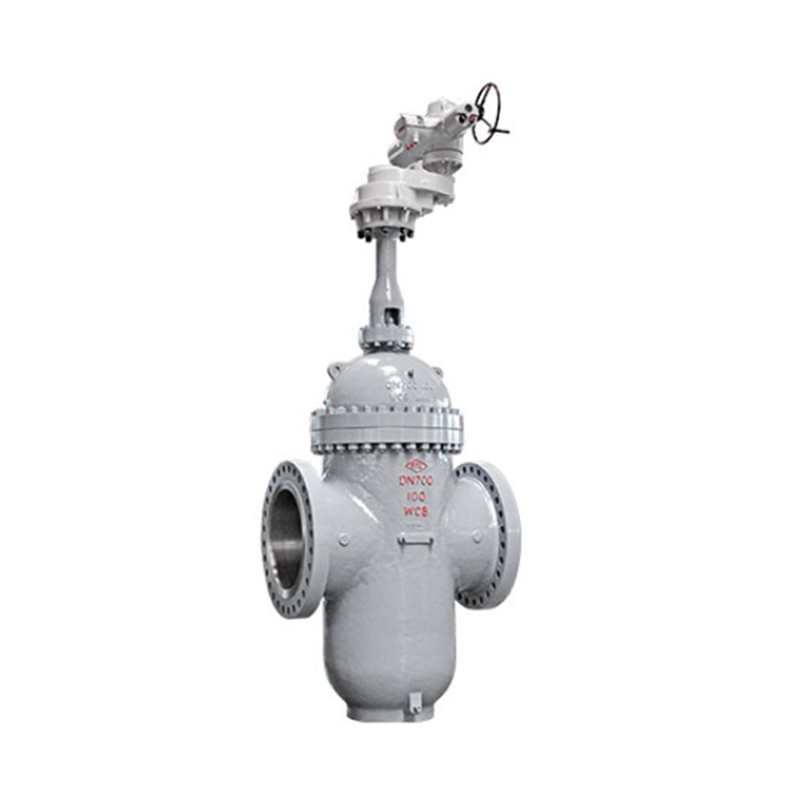
Plants handling corrosive or high-temperature media have specific expectations around valve structure and sealing. Applications involving flammable gases or aggressive chemicals must use valves built from appropriate steel grades, sometimes including low-temperature carbon steel for chilled processes. DIN-compliant valves meet these requirements through standardised design and testing.
Many petrochemical companies also prefer valves that align with API or ISO testing principles. While DIN standards focus on European requirements, many manufacturers produce valves that follow both DIN and global norms. This dual compatibility makes sourcing easier for facilities operating mixed international equipment.
For maintenance teams, another advantage is dimensional consistency. When replacing a gate or globe valve, technicians can install a new DIN-compliant model without altering pipe length or flange alignment. This shortens repair time, which is valuable in production environments where prolonged downtime disrupts operations.
Cost is another part of the decision-making process. Cast steel valves typically offer a balanced choice when compared with forged steel valves. Forged components deliver high strength but come with higher costs, especially for larger diameters. Cast steel valves, on the other hand, provide a practical and widely accepted option for general petrochemical and industrial systems when pressure levels are moderate.
Buyers evaluating different DIN Standard Cast Steel Valves Manufacturers usually look for three things: consistent quality, predictable delivery, and clear documentation. When these elements are present, procurement tasks become easier and long-term cooperation feels more secure.
The variety of models, to meet the development needs of various regions in the world.
Copyright © ZHEJIANG ROCK VALVE CO., LTD.

Cast Steel Valves Stock Wholesaler