


 English
 русский
 عربى
عربى Español

What Should You Know About Cast Steel Globe Valves?
Cast steel globe valves are known for their balanced performance and versatility. Below are frequently asked questions that help clarify how they work and where they are typically used.
What is a cast steel globe valve?
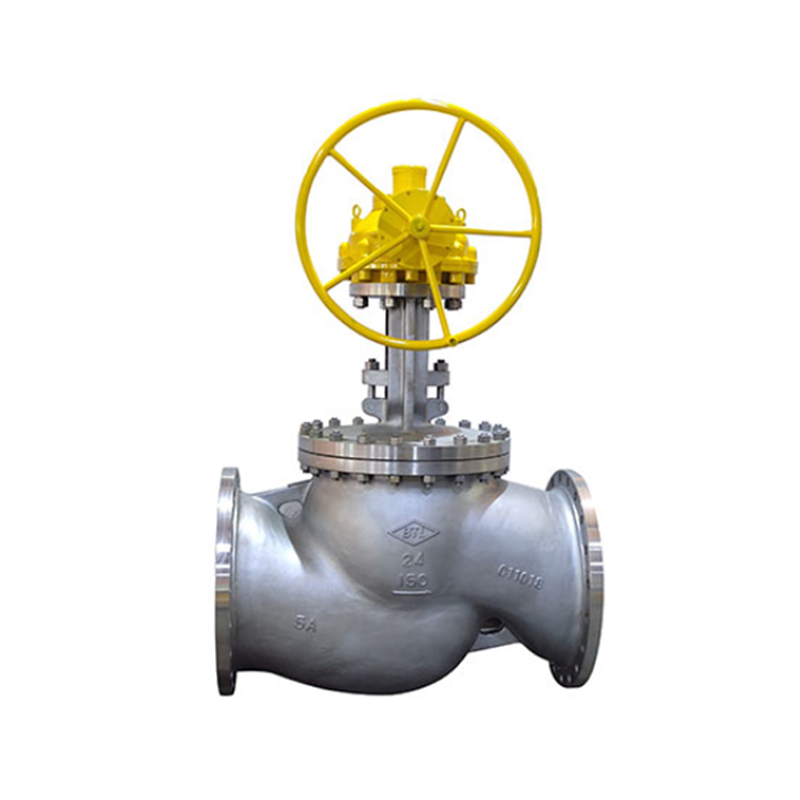
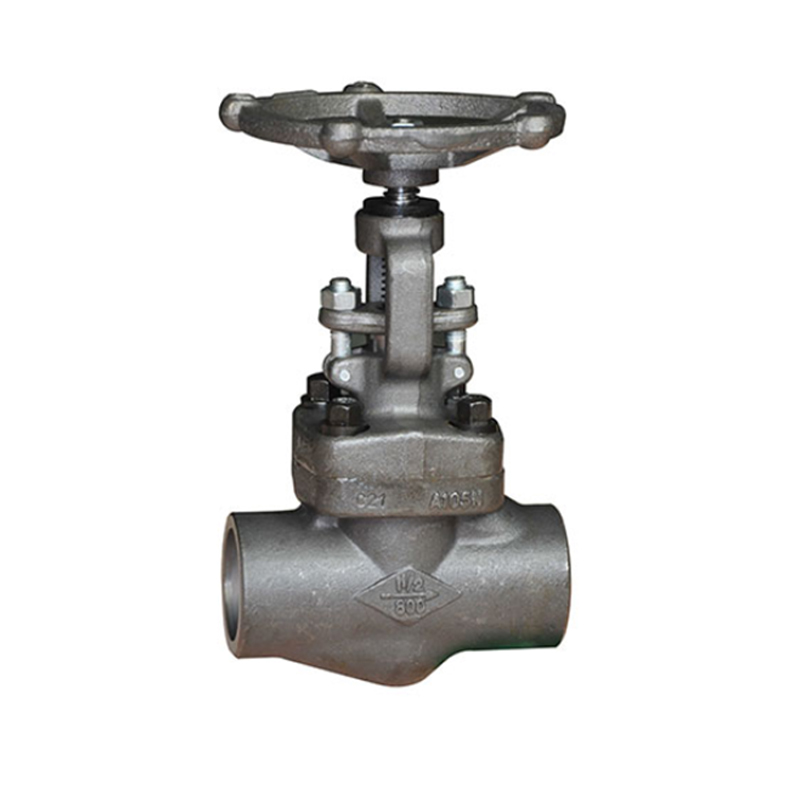
A cast steel globe valve is a valve designed for regulating or throttling flow. It uses a movable disk and a stationary ring seat within a spherical-shaped body, enabling accurate flow control. The body is made through steel casting, providing strength and resistance to pressure.
Where are cast steel globe valves used?
These valves are applied in various sectors, including:
- Petrochemical pipelines
- Steam lines
- Power generation systems
- Water treatment plants
- Oil and gas facilities
- Their design supports both on/off and modulating operations.
What are the advantages?
- Good throttling capability
- Reliable sealing performance
- Suitable for frequent operation
- Available in a wide range of sizes and pressure ratings
What materials are commonly used for cast steel globe valves?
Carbon steel grades such as ASTM A216 WCB are widely used. In cases involving elevated temperatures or corrosive media, alloy steels or stainless steels may be selected.
How are they maintained?
Routine inspection, lubrication of moving parts, proper cleaning, and seal replacement are standard maintenance practices. Regular testing ensures that the valve continues to operate smoothly and safely.
API Cast Steel Globe Valve: What Is the Standard API for Globe Valves?
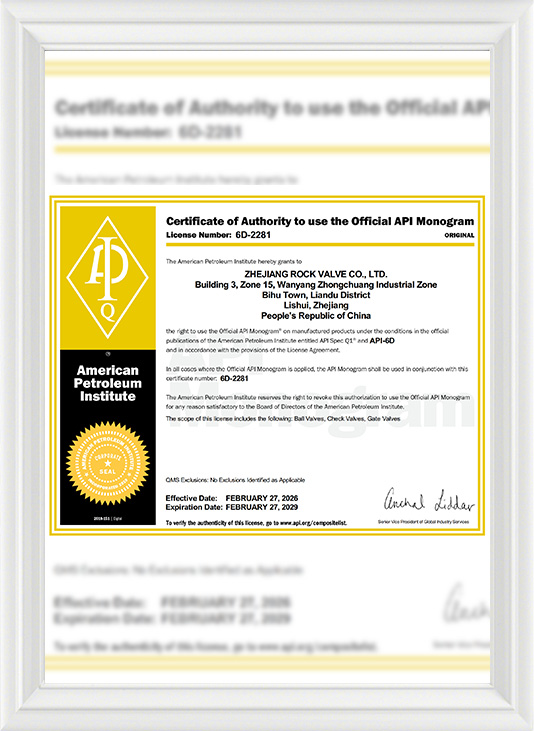
API (American Petroleum Institute) standards play an important role in the design and manufacturing of valves used in the energy and petrochemical industry. Globe valves used in these sectors must meet various API specifications depending on their intended use.
Which API standard applies to globe valves?
The primary standard for globe valves is API 623, which covers steel globe valves designed for refinery, petrochemical, and general industrial applications. API 623 specifies design requirements such as materials, dimensions, pressure classes, testing methods, and performance expectations.
How does API 623 differ from API 600 and API 602?
- API 600 focuses on steel gate valves, not globe valves, although some criteria overlap.
- API 602 applies to compact steel gate, globe, and check valves for small-diameter, high-pressure systems.
- API 623, however, is specifically tailored to globe valves and emphasizes performance under continuous use and temperature variations.
What testing requirements does API 623 include?
API 623 includes:
- Hydrostatic shell test
- Seat leakage test
- Backseat test
- Visual and dimensional inspections
These tests help ensure reliability under demanding industrial conditions.
What about pressure classes?
API-compliant globe valves are typically available in pressure classes such as Class 150, 300, 600, and higher. The appropriate class depends on the pipeline’s pressure and temperature conditions.
Why is API compliance important?
API standards ensure consistency, safety, and performance across valves sourced from different manufacturers. For petrochemical projects, API compliance is often mandatory.
Low Temperature Steel Globe Valve
Low-temperature steel globe valves are designed for applications where the service temperature is significantly below freezing. These valves are essential in the storage and transportation of cryogenic fluids and other low-temperature media.
What materials are used for low-temperature globe valves?
Common low-temperature carbon steel grades include:
- ASTM A352 LCB
- ASTM A352 LCC
These materials retain ductility and toughness at low temperatures, reducing the risk of brittle fracture.
Where are low-temperature globe valves used?
Typical applications include:
- LNG terminals
- Refrigeration systems
- Low-temperature chemical processing
- Liquid nitrogen or oxygen pipelines
- Storage tanks for cryogenic materials
What features make them suitable for cold service?
Extended bonnet design: Protects the stem packing from cold.
Special sealing materials: Gaskets and packing made from low-temperature-resistant compounds.
Impact-tested materials: Ensures safe operation even at temperatures as low as –46°C or lower.
What testing is required?
Low-temperature globe valves undergo impact testing according to ASTM standards to ensure proper toughness. Pressure testing and leak testing verify reliability under cold service.
Why choose a low-temperature globe valve?
Selecting the correct valve prevents material cracking, leakage, or unexpected failure when exposed to cold environments. These valves help maintain system safety and stability in temperature-sensitive operations.
