


 English
 русский
 عربى
عربى Español
Company News
How do I install a check valve correctly to ensure it works properly?
The following steps are required to properly install a check valve to ensure that it works properly:
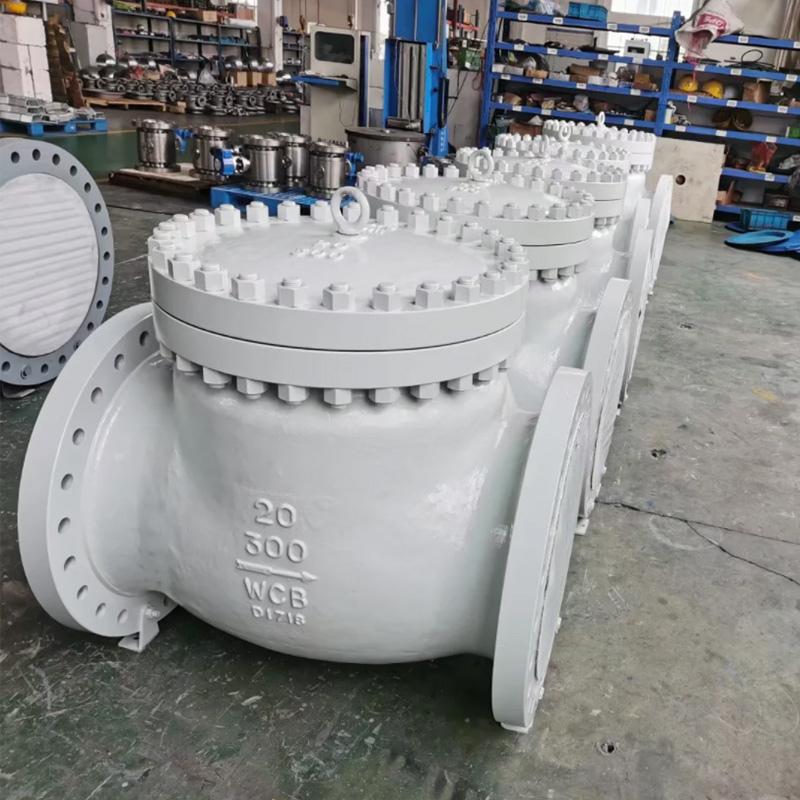
Determine the valve location:
Select a suitable pipe section as the installation location of the check valve, and ensure that the location is convenient for subsequent operation and maintenance.
Prepare the pipe and valve:
Make sure the pipe is clean and free of debris and dirt.
Check whether the check valve's model and specification match the pipe diameter and confirm that the valve's maximum pressure and temperature meet the system requirements.
Check the valve direction:
Check the arrow or mark on the check valve to ensure that its normal flow direction is consistent with the flow direction of the pipe.
Install the valve:
Could you place the check valve on the pipe and tighten it tightly with appropriate tools (such as a wrench) to ensure that the valve is firmly connected to the pipe to avoid water leakage?
Connect the pipe:
Use appropriate pipe fittings or threaded connectors to connect the check valve to the pipe to ensure that the connection is tight and there is no water leakage.
Test:
After installation, test to ensure the normal operation of the check valve. You can open the valve upstream of the pipeline to observe whether the check valve can prevent backflow; close the upstream valve to observe whether the check valve can prevent backflow.
In addition, the following points should be noted during the installation process:
Installation height and direction: The installation height of the check valve and the inlet and outlet directions of the water flow must meet the requirements of the specification.
Sealing: When connecting the check valve, pay attention to the flatness and cleanliness of the surface, and apply an appropriate amount of sealant to tighten it to avoid leakage. 4.
Maintenance: To ensure that the check valve can operate stably for a long time, regular maintenance and maintenance should be performed after installation.
Following the above steps and precautions can ensure the correct installation and normal operation of the check valve.
What Should You Know About One-Way Check Valves and Their Industrial Applications?
One-way check valves are important components of fluid control systems, supporting safe, efficient, and reliable flow management. They allow fluid to move in a single direction while preventing reverse flow that could damage equipment, interrupt processes, or contaminate upstream media. This article explores the characteristics of inline one-way check valves, examines the advantages and disadvantages of high-flow check valves, and reviews the industries where outlet one-way check valves are particularly suitable. The discussion maintains neutral and balanced language while providing functional insights for engineering, procurement, and maintenance professionals.
What Are the Characteristics of Inline One Way Check Valves?
Inline one-way check valves are designed to be installed directly within a pipeline, maintaining alignment with the direction of flow. Their primary function is to allow forward flow while automatically preventing backflow whenever system pressure decreases or reverses. Inline check valves operate without external control, relying entirely on differential pressure across the valve.
1. Straight-Through Flow Design
Inline check valves feature an axial or straight-through design. This configuration minimizes pressure drop because fluid moves along the same path as the pipeline. Compared with angled or swing-style designs, inline mechanisms can offer smoother flow characteristics and reduced turbulence.
2. Automatic Operation
These check valves do not require manual intervention or actuator systems. They respond to pressure differences:
- When upstream pressure exceeds downstream pressure, the internal mechanism (such as a piston, poppet, or spring-loaded element) opens.
- When downstream pressure rises, the mechanism closes automatically to prevent reverse flow.
3. Compact Structure
Inline one-way check valves typically feature a compact cylindrical body, making them suitable for installations with space limitations. Their compactness allows flexible placement within horizontal or vertical pipelines.
4. Versatile Internal Mechanisms
Inline check valves may use different internal elements:
- Spring-loaded poppet for quick response and tight sealing
- Ball-type design for simple operation
- Axial flow mechanisms for reduced pressure loss
The choice depends on system pressure, flow rate, and fluid characteristics.
5. Material Diversity
These valves can be made from stainless steel, carbon steel, brass, PVC, or alloy materials. Material selection is guided by the working environment—such as chemical resistance, temperature conditions, or sanitary requirements.
6. Low Maintenance Requirements
Inline one-way check valves are often designed with minimal moving parts, contributing to stable operation and reduced maintenance needs. However, regular inspection is recommended in systems with solid particles or corrosive media.
7. Suitable for Various Orientations
Many inline check valves can be installed in different orientations, although vertical installations may require versions specifically designed for upward flow.
Together, these characteristics make inline one-way check valves suitable for applications requiring dependable backflow prevention and consistent performance across wide operating conditions.
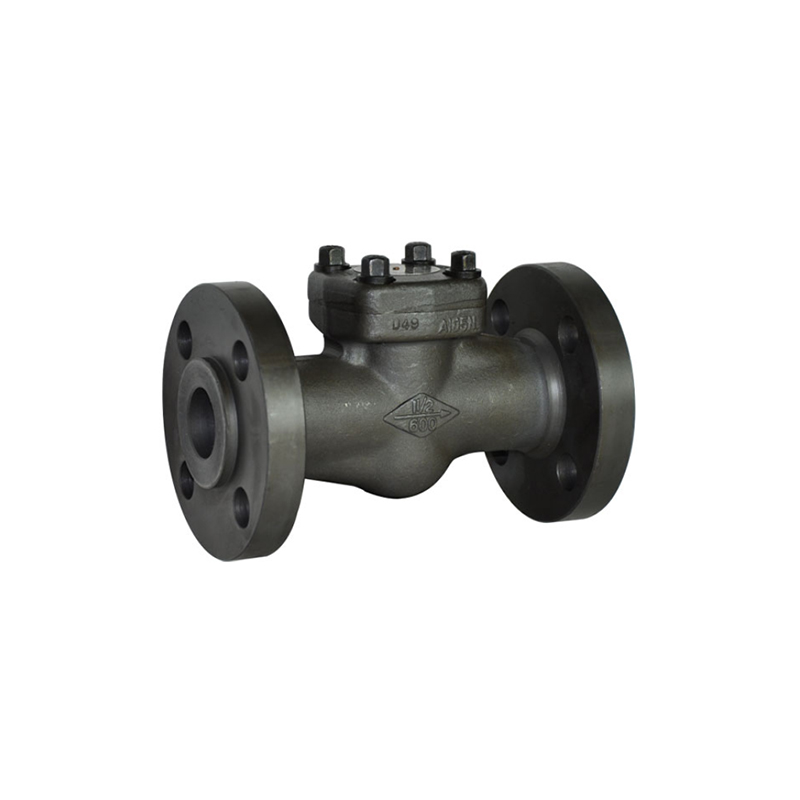
What Are the Advantages and Disadvantages of High-Flow Check Valves?
High-flow check valves are engineered to allow a larger volume of fluid to pass with minimal resistance while still preventing reverse flow. They are commonly used in systems where maintaining flow efficiency is a priority. Like all mechanical components, they offer both benefits and limitations.
Advantages
1. Reduced Pressure Loss
High-flow check valves are designed with larger internal pathways or streamlined flow channels. This reduces turbulence and energy loss, to more efficient fluid transport.
2. High Flow Capacity
These valves accommodate higher volumetric flow rates than standard check valves of similar sizes. This is beneficial in applications requiring rapid fluid movement or large system throughput.
3. Improved System Efficiency
By lowering flow resistance, high-flow check valves help maintain system pressure levels, potentially reducing pumping energy requirements. This can contribute to overall system efficiency in long-term operation.
4. Fast Response Time
High-flow models often include internal mechanisms that open and close quickly, helping to prevent backflow-related issues during sudden pressure changes. This rapid response supports stable pipeline operation.
5. Compatibility With Varied Media
Materials and designs can be adapted for different fluids, including water, compressed air, steam, oils, or chemical mixtures. This versatility contributes to their wide industrial use.
Disadvantages
1. Potential for Backflow Under Low Pressure
Because high-flow check valves allow large flow paths, they may be less effective in maintaining a tight seal when pressure conditions fluctuate. Backflow can occur if the system does not provide sufficient upstream differential pressure.
2. Higher Cost in Some Models
Specially designed high-flow check valves with advanced internal geometry or premium materials may cost more than standard models. This may influence decisions for budget-sensitive projects.
3. Larger Physical Footprint
High-flow valves may be larger to accommodate increased internal space. This can present challenges in compact installations or retrofit projects.
4. Sensitivity to Contaminants
Some high-flow mechanisms rely on more complex internal components. In environments containing particles or debris, these components may require more frequent inspection and cleaning to ensure reliability.
5. Possible Noise in High-Velocity Flow
At higher flow velocities, increased turbulence may cause operational noise, which may require additional pipeline design considerations.
High-flow check valves provide clear benefits for systems requiring efficient fluid movement but require careful selection to match system pressure conditions, flow requirements, and installation constraints.
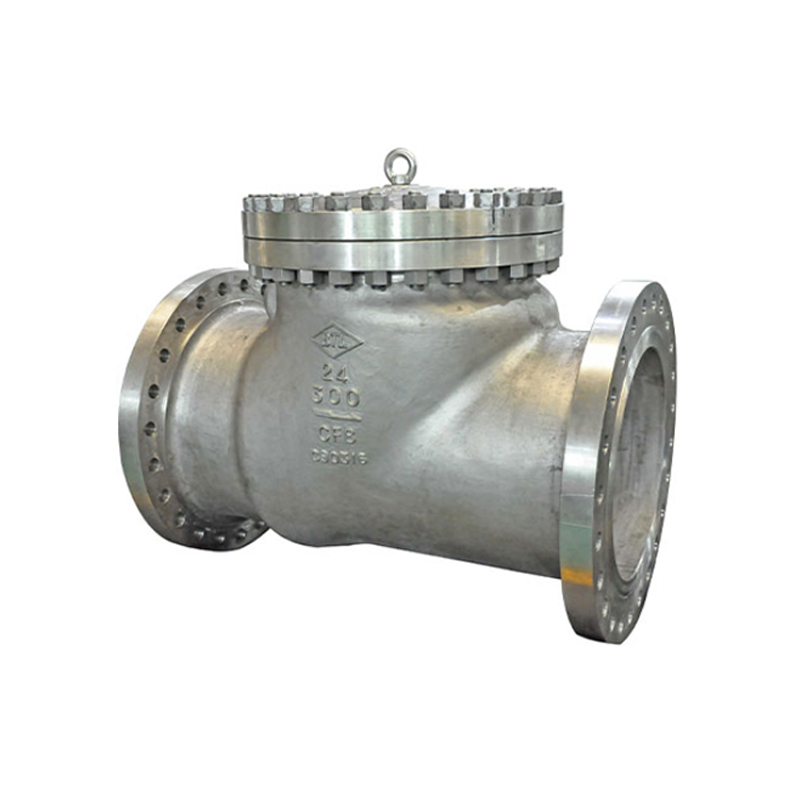
Which Industries Are Outlet One Way Check Valves Suitable For?
Outlet one-way check valves regulate discharge flow from pumps, compressors, storage tanks, or pipelines. Installed at outlet points, these valves ensure that fluid moves outward but does not return through the same path. Their design is suitable for a wide range of applications across different industries.
Water and Wastewater Treatment
In water treatment facilities, outlet check valves are used in pump discharge lines to prevent water from flowing back into pumps during shutdown. This protects pump components and stabilizes system operation. In wastewater systems, check valves prevent contamination of upstream equipment and safeguard public infrastructure.
Oil and Gas Industry
Outlet one-way check valves are commonly used in:
- Pipeline discharge stations
- Crude oil transfer lines
- Fuel storage tank outlets
- Compressor discharge systems
Their function helps maintain pressure stability and reduces the risk of reverse flow that could cause process interruptions or equipment strain.
Chemical Processing
Chemical plants rely on outlet check valves for safe handling of corrosive, volatile, or sensitive media. Valves made from stainless steel or special alloys are chosen for compatibility with specific chemicals. Outlet check valves help maintain flow direction in reactors, mixing units, and distribution pipelines.
Power Generation
In power plants, these valves are used on pump outlets for boiler feedwater, cooling water, condensate return, and auxiliary fluid systems. Their ability to prevent reverse flow supports equipment longevity and contributes to stable operation.
Pharmaceutical and Food Processing
Sanitary-grade outlet check valves are suitable for applications requiring clean or hygienic conditions. They help maintain product purity and prevent contamination during transfer or discharge operations.
Marine and Offshore Operations
Marine systems use outlet check valves in ballast water discharge, bilge pumping, engine cooling systems, and fuel transfer operations. Their compact structure and corrosion-resistant materials are beneficial in marine environments.
Across these industries, outlet one-way check valves provide dependable flow control, support safety requirements, and help maintain efficient process operations.
Recommended Products
The variety of models, to meet the development needs of various regions in the world.
Copyright © ZHEJIANG ROCK VALVE CO., LTD.

Cast Steel Valves Stock Wholesaler